The botanical vii poster print works because it brings detail without visual noise. In modern interiors, that balance matters more than trend. A good botanical piece has enough line, negative space, and natural form to soften hard architectural edges, but it does not compete with the room's furniture, lighting, or materials. That is why botanical art continues to sit comfortably beside clean-lined sofas, matte black accents, and pale oak finishes.
Unlike louder floral décor, the botanical vii poster print feels studied and restrained. It reads as collected rather than decorative. In practical terms, that means it can live above a sofa, next to a bed, or in a hallway without making the space feel busy. If you already like the quiet structure of minimalist art prints or the natural elegance of our botanical collection, this type of artwork bridges both worlds well.
What Makes Botanical VII Stand Out
Botanical artwork succeeds when the subject is precise. Fine stems, leaves, petals, and organic silhouettes create rhythm across the page, which gives the eye somewhere to travel. The best pieces feel almost architectural in their composition — especially in modern homes where straight lines dominate. That contrast between organic form and disciplined layout is what makes a botanical print feel refined.
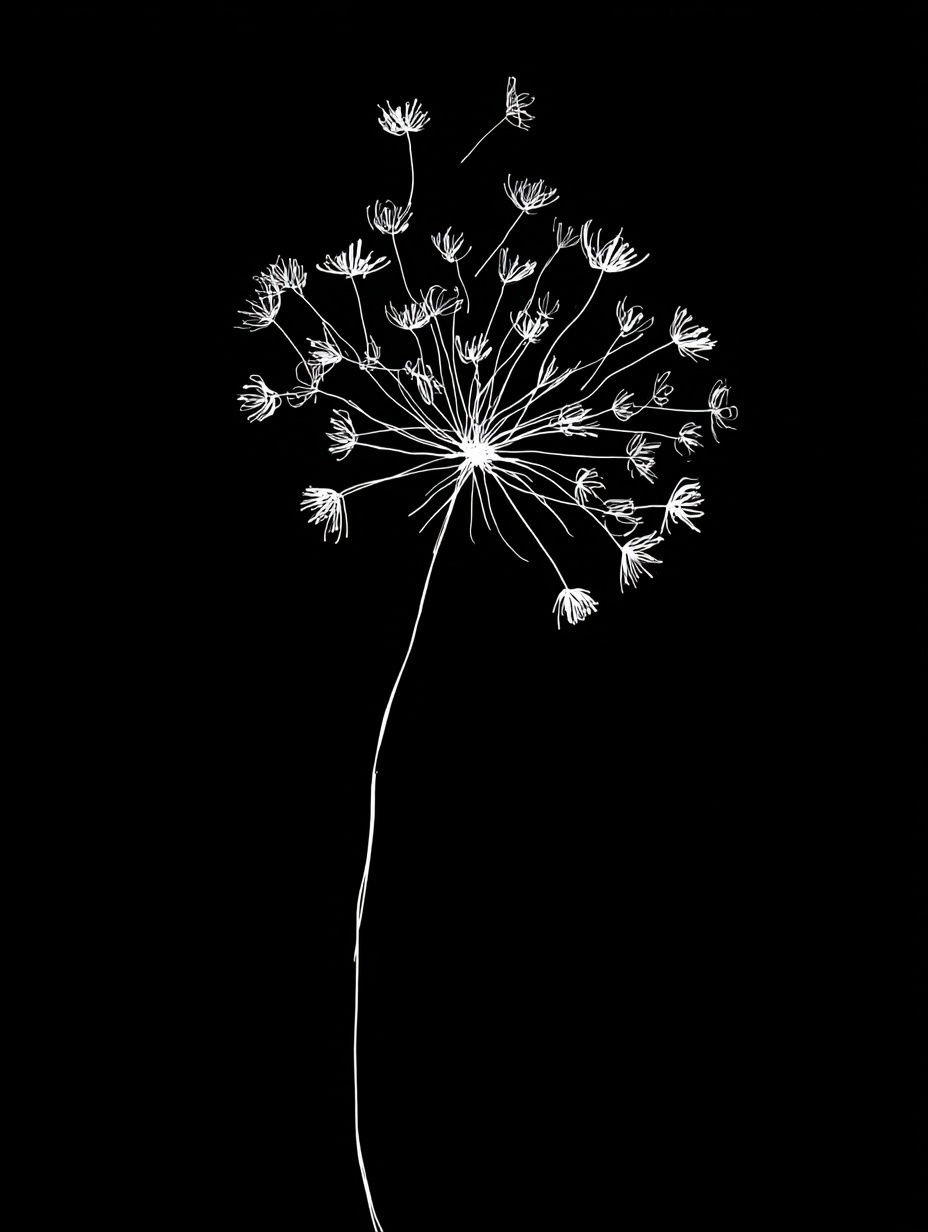
A second reason it stands out is tonal restraint. Most modern rooms look better with artwork that stays within two to four dominant tones rather than seven or eight. Botanical subjects often rely on greens, creams, muted browns, and soft charcoal lines, so they add depth without disrupting the palette. If you want a similar pared-back effect, White Flower Silhouette shows how floral subject matter can remain crisp and contemporary.
Botanical imagery also carries texture visually, even when the room itself is simple. In spaces with smooth plaster walls, bouclé upholstery, or flat-front cabinetry, detailed plant forms add needed variation. This is why homeowners who find abstract art too cold often land on Vintage Rose Botanical Poster or other botanical studies — they warm the space without making it sentimental.
How to Style It in a Modern Home
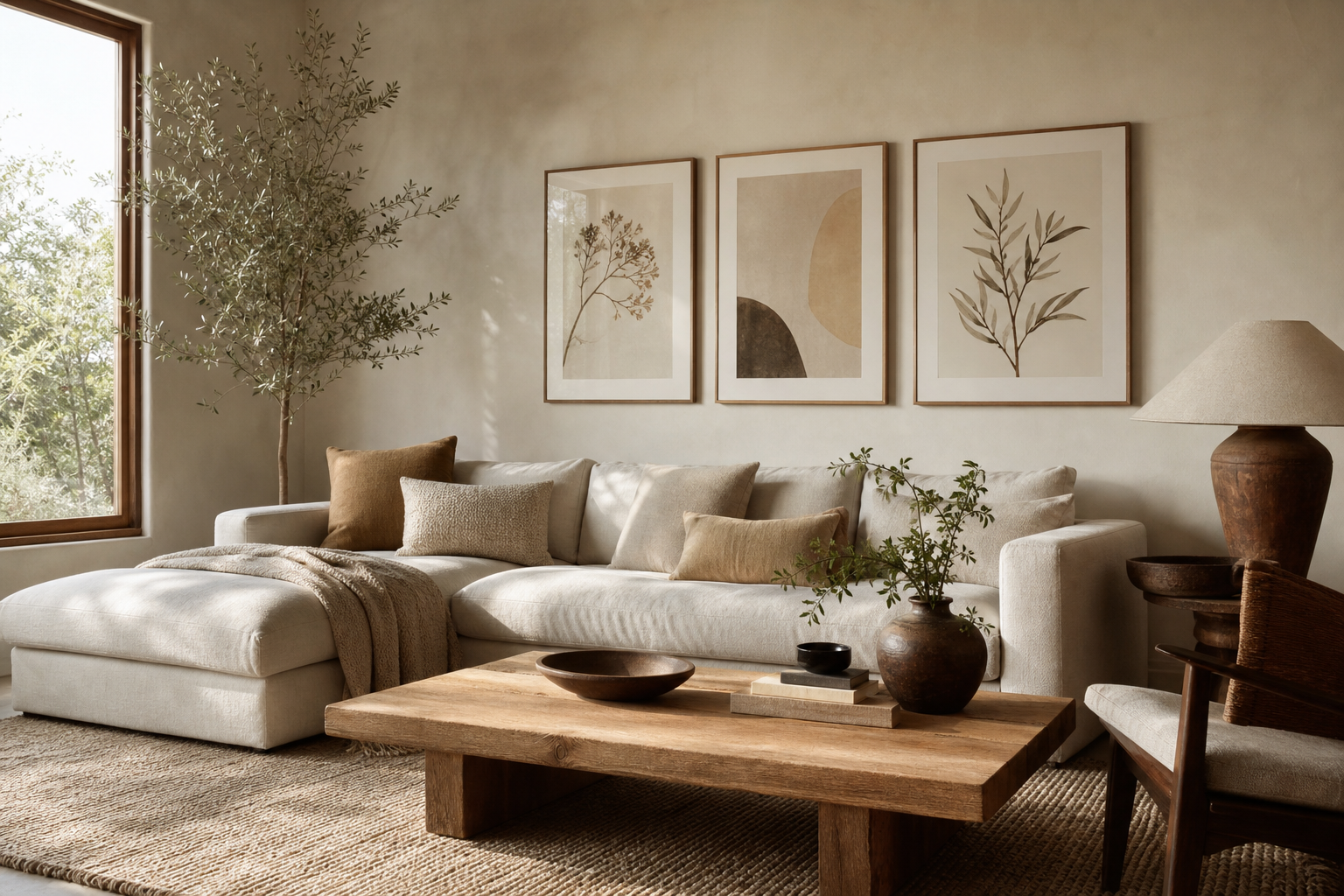
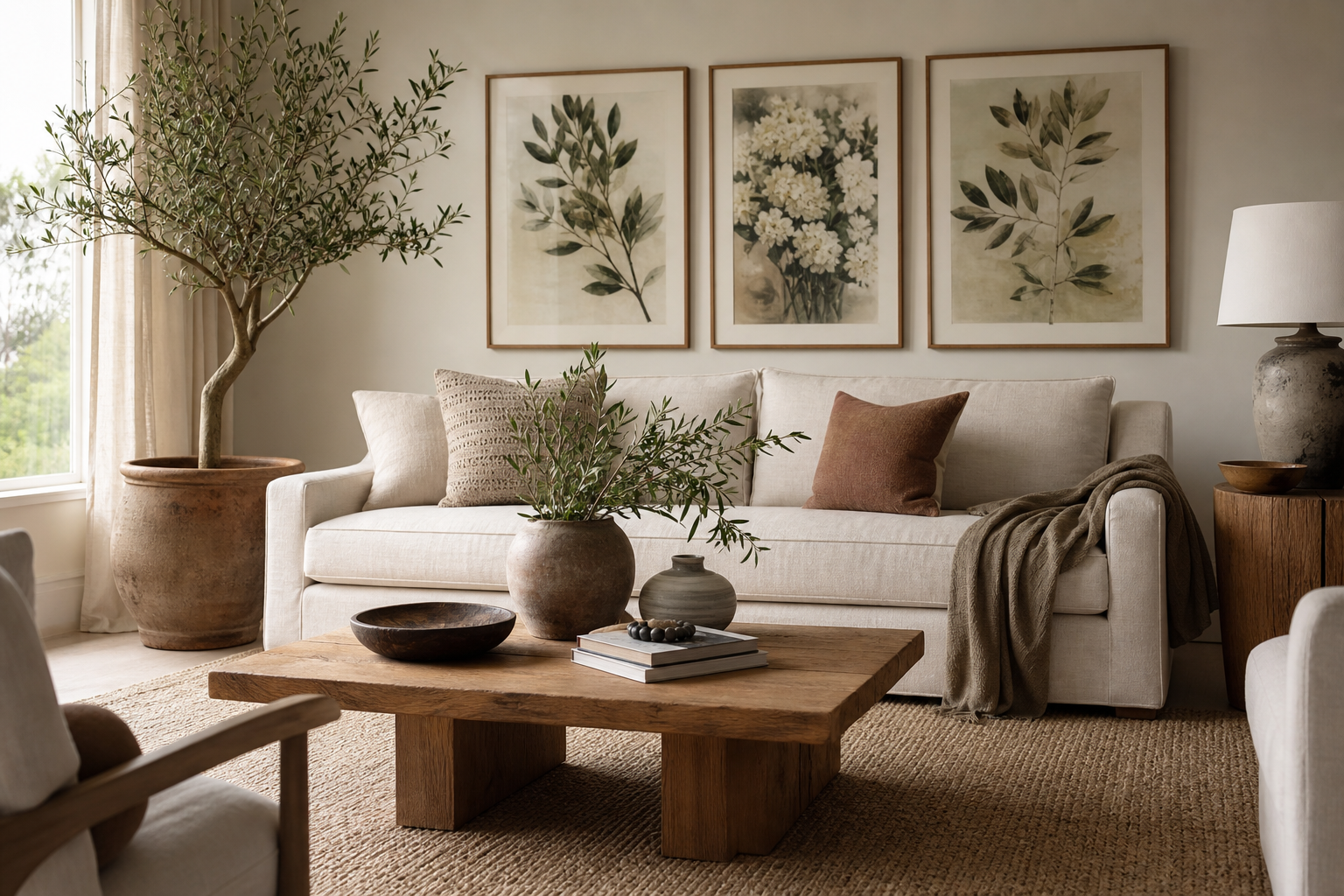
In a living room, place a botanical print 15 to 25 cm above the sofa back so it feels connected to the furniture rather than floating. For a standard 200 to 240 cm sofa, a framed piece or arrangement should cover around 55 to 70 percent of the sofa width. That ratio keeps the wall balanced and avoids the common mistake of choosing art that is too small.

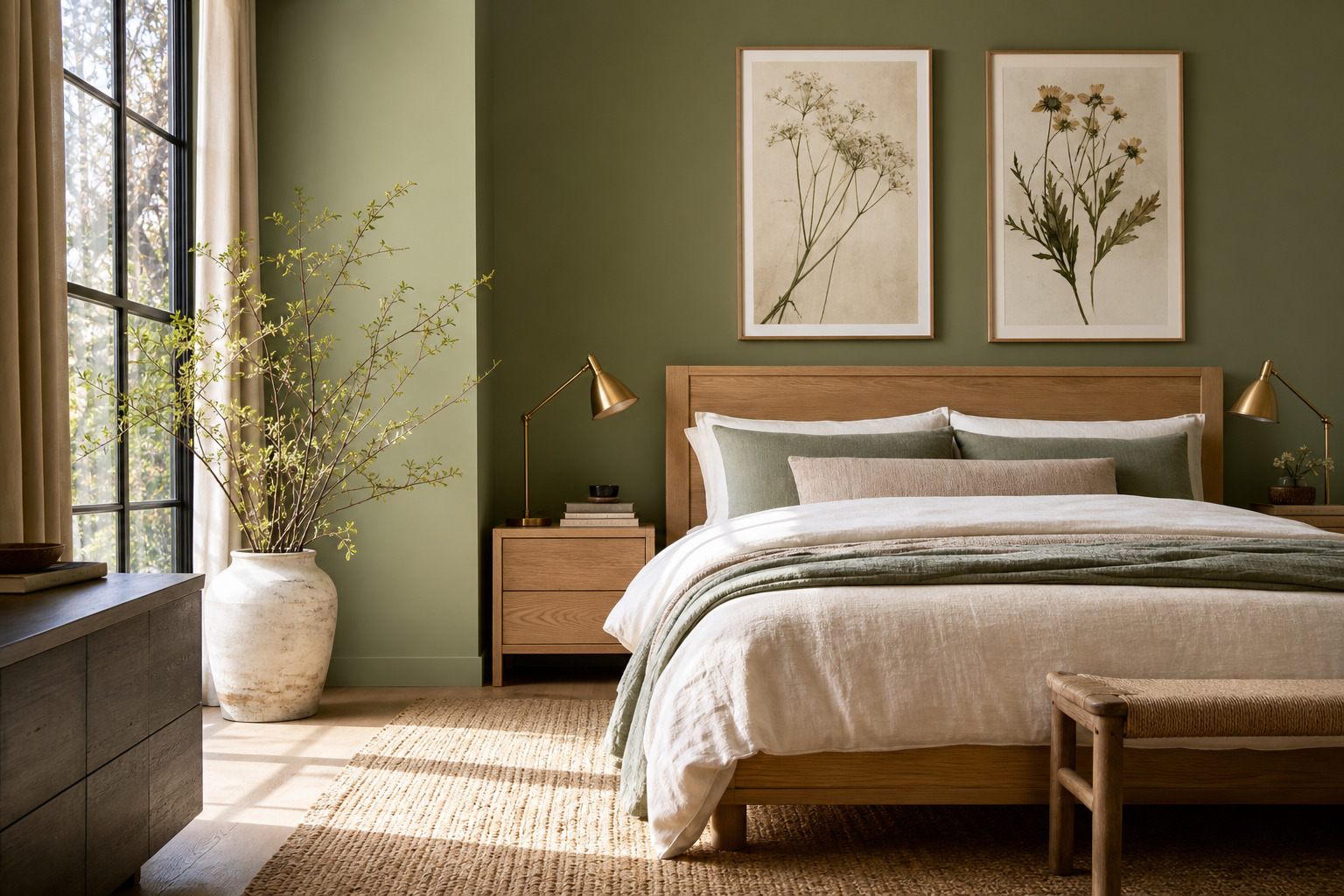
In bedrooms, the print works best when it reinforces calm. Center it above the headboard, or offset it over a nightstand if you prefer an asymmetrical look. Soft bedding in oatmeal, stone, olive, or warm white helps the artwork feel integrated. This is where a subtle piece from our nature wall art selection can also support the same atmosphere, especially when layered with botanical subjects.
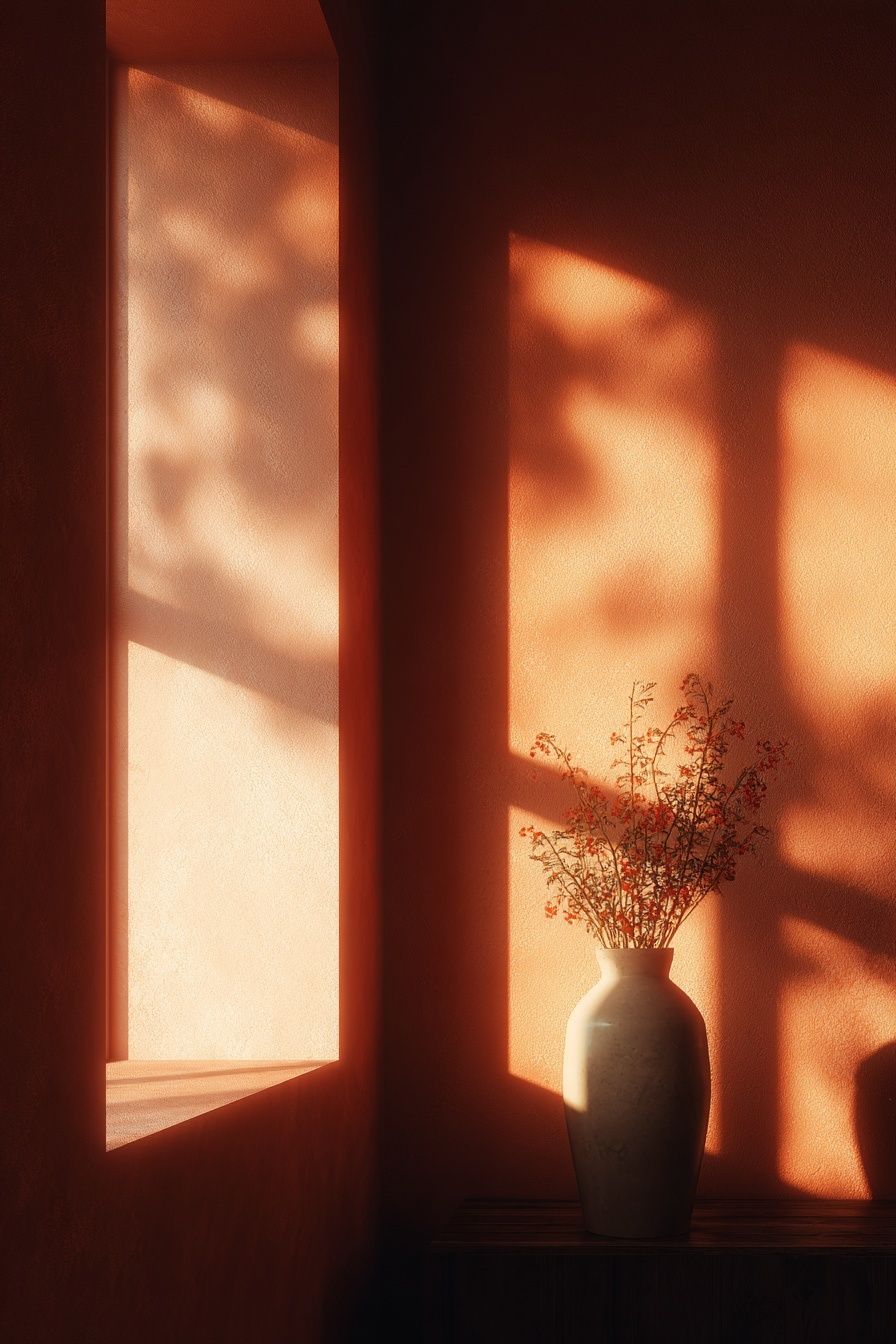
Hallways and workspaces benefit from narrower, vertical compositions because they echo the proportions of doors, shelving, and desk lamps. In a home office, botanical art prevents the room from feeling overly hard or technical. Pair it with wood, paper, matte ceramics, and one or two muted accent colors. If your office leans very clean, a piece like Vase with Flowers — Minimalist Print keeps the look natural without adding clutter.
Choosing the Right Size and Frame
Size determines whether art feels intentional. For walls under 120 cm wide — common in hallways, reading corners, or between windows — choose a piece around 30x40 cm or 40x50 cm. Above a console, desk, or compact bed, 50x70 cm often gives enough presence without overwhelming the wall. Larger anchor positions, such as above a 3-seat sofa or king bed, usually call for 70x100 cm or a grouped arrangement.
Frame finish matters just as much as scale. Light oak gives botanical artwork an airy Scandinavian feel, black creates a sharper gallery look, and walnut adds warmth and depth. In modern interiors, keep the frame profile slim — roughly 1 to 2 cm looks cleaner than a heavily ornamented border. Wide mats also help. A mat of 5 to 8 cm around the artwork can make a moderate-size print read more substantial on a larger wall.

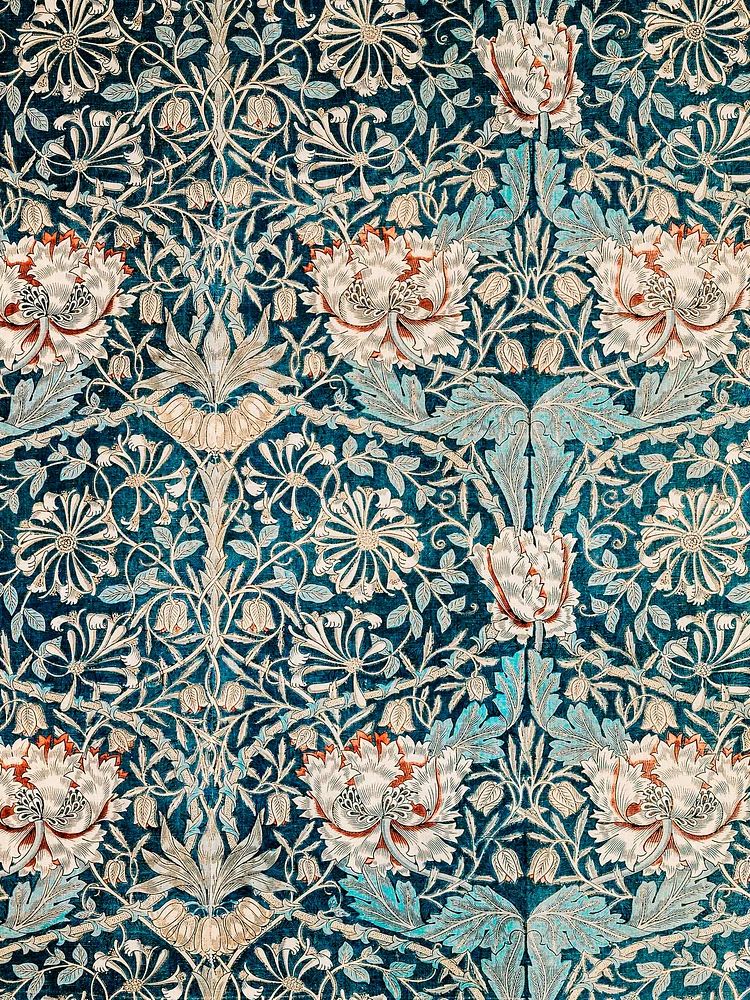
If you want a stronger decorative statement, vintage botanicals can shift the mood from minimal to layered. Pieces such as William Morris's vintage willow leaves or Green Tulip by William Morris suit homes that already include patterned textiles, antique brass, or darker woods.
Best Color Palettes to Pair With Botanical Art
The most reliable palette starts with warm neutrals: ivory, flax, sand, mushroom, and soft taupe. These tones allow green-based or line-based botanical art to stay crisp while keeping the room calm. Add one grounding material — oak, walnut, travertine, or blackened steel — and the composition feels complete rather than flat.
Green works best when repeated lightly. Instead of matching the artwork exactly, echo it in one or two places: an olive throw, a sage glass vase, or a plant with matte leaves. Keeping green to about 10 to 15 percent of the room prevents the scheme from turning theme-heavy. If you want more tonal variation, blend botanical art with fine art prints or muted landscape pieces that share the same soft register.

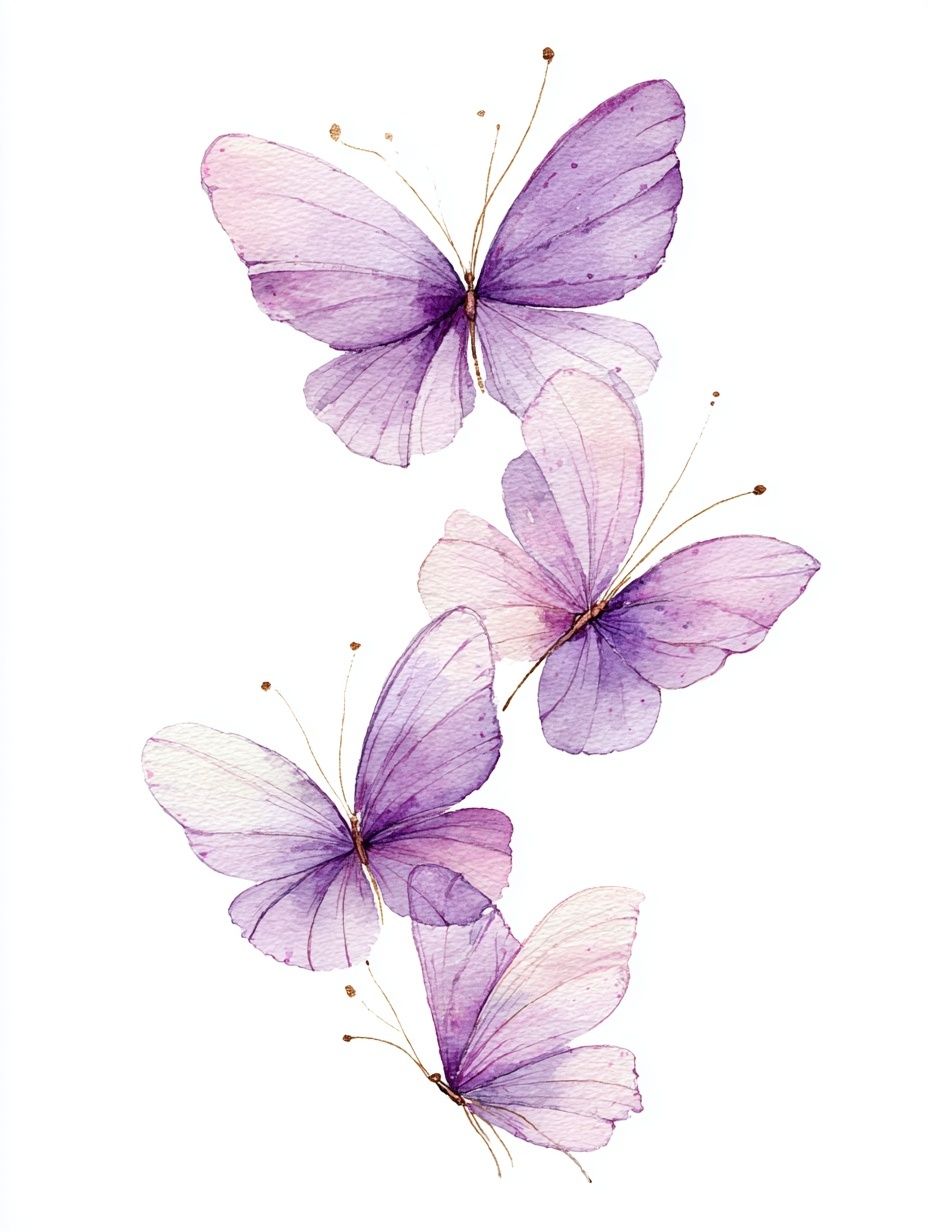
For a more contemporary palette, use charcoal, bone, eucalyptus, and rust. The charcoal gives structure, the bone keeps brightness high, and the rust introduces warmth in small doses. This mix is especially effective in apartments with concrete, black window frames, or sleek built-ins because it prevents the room from feeling cold.
Creating a Calm Gallery Wall Around It
A calm gallery wall depends on repetition. Repeat at least two elements across the arrangement — frame color and background tone are the easiest choices. For example, if the botanical vii piece has a light ground and slim black frame, carry that through three or four surrounding works. Limit the total wall to two subject families, such as botanicals plus minimalist florals, or botanicals plus soft landscapes.

Spacing is where many gallery walls fail. Keep gaps consistent at 5 to 8 cm between frames. Start with the main piece slightly off-center if the furniture below is asymmetrical, or dead center if it sits over a console or bench. On a wall about 160 cm wide, four to six medium pieces usually look better than nine small ones because larger works preserve breathing room.
To build around one hero print, mix one detailed botanical with one simpler floral, one soft landscape, and one vintage-inspired piece. That keeps the arrangement layered but not chaotic.

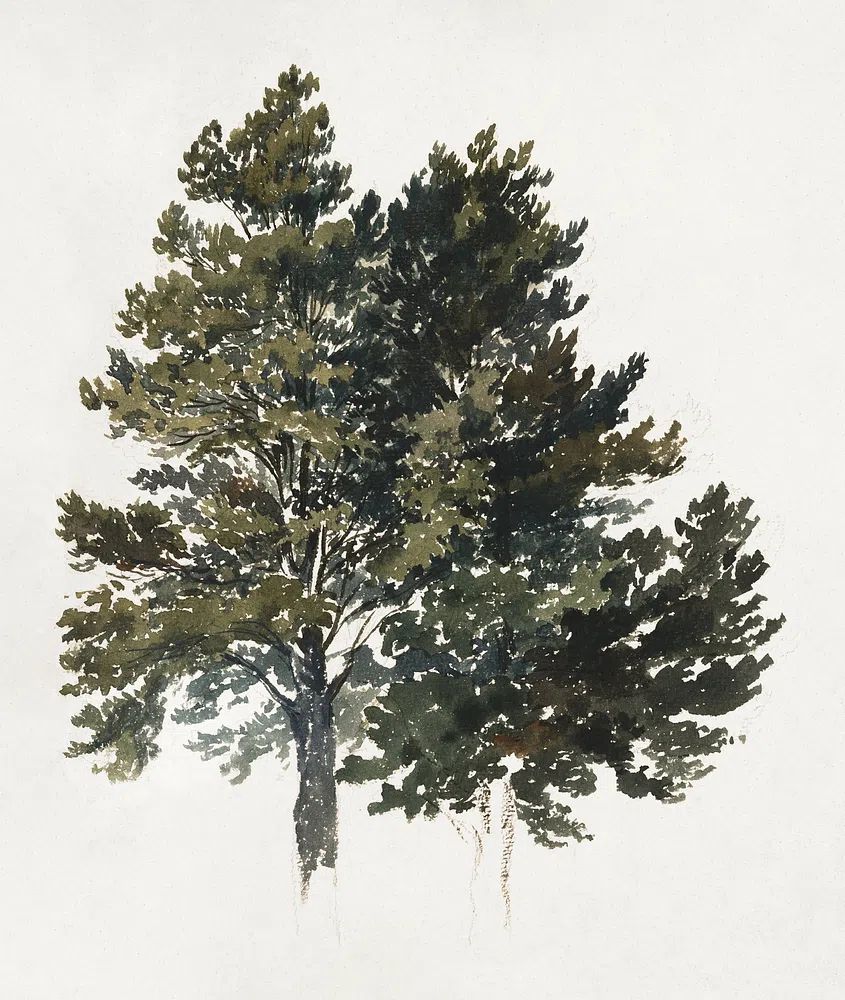
A useful combination would be a central botanical work paired with Wheat Bouquet — Botanical Print for texture, Majestic Trees — Watercolor Print for tonal depth, and a restrained floral from the minimalist collection for negative space. If your interior leans more traditional, pieces from Marigold by William Morris can add pattern and heritage without overwhelming the wall.
A Simple Way to Refresh Your Space
The botanical vii poster print is the right finishing touch when a room feels complete in furniture but still lacks focus on the walls. It adds structure, natural reference, and softness in one move. That is especially useful in modern rooms where the architecture is clean and the palette is restrained, but the space still needs one layer of visual warmth.
When shopping, start with placement first, then choose size, then frame. That order prevents impulse buys that end up underscaled or mismatched. If you want an easy route, stay within botanical wall art and combine one statement piece with three quieter companions. The result is polished, calm, and far more durable than trend-led décor.
Final thoughts
The botanical vii poster print works because it solves a common design problem: how to make a modern room feel softer without losing clarity. Its natural subject matter adds life, while its measured composition keeps the overall look edited.
If you choose the right scale, repeat the palette across the room, and frame it with intention, botanical art can anchor a space for years. It is one of the simplest upgrades for living rooms, bedrooms, hallways, and workspaces that need calm rather than clutter.
Frequently Asked Questions
Should I choose glass or acrylic for a framed botanical print?
Acrylic is lighter and better for larger sizes like 70x100 cm, especially if you are hanging on drywall. Glass gives a slightly crisper finish and works well for smaller formats.
What frame color is safest if I change my décor often?
Black and light oak are the most flexible. Black suits higher-contrast rooms, while oak blends more easily with neutral and Scandinavian interiors.
Can botanical art work in a room without any plants?
Yes. Botanical art adds the suggestion of nature even in plant-free rooms, which is useful for darker spaces or homes where live greenery is hard to maintain.
How high should I hang a single print in a hallway?
Aim for the center of the artwork to sit around 145 to 150 cm from the floor. In narrow hallways, keeping the art slightly lower often feels more connected to benches or consoles.
What textiles pair best with botanical wall art?
Linen, cotton, wool, and lightly textured weaves work best because they echo the natural theme. Avoid overly shiny fabrics if you want the look to stay calm and contemporary.