A canoe poster brings a quiet kind of movement to a room. It suggests water, timber, craft, and open air — all without the visual noise of louder landscape themes. If you want wall art that feels grounded and restful, a canoe poster can do that work with very little effort.
Unlike highly detailed travel imagery or bold graphic art, canoe scenes usually carry a softer rhythm. The shape is long, curved, and simple. The settings are often lakes, riverbanks, pine forests, or misty horizons. That makes this subject especially easy to use in rooms where you want calm first — living rooms, bedrooms, reading corners, cabins, and home offices.
Why a Canoe Poster Feels So Timeless
Canoe imagery has a built-in sense of heritage. The object itself is practical, handmade-looking, and strongly tied to outdoor life. Even when the artwork is contemporary, it still nods to tradition, which is why it sits comfortably beside rustic woods, vintage finds, and pared-back modern furniture.
A second reason it lasts is color. Most canoe wall art stays within dependable interior shades: forest green, weathered blue, charcoal, sand, lake gray, and muted brown. Those tones pair naturally with our Nature collection and work just as well near vintage-style wall art when you want a room to feel layered rather than themed.
A canoe scene also avoids overstatement. It suggests adventure, but gently. You get the feeling of being outdoors without filling the wall with dramatic peaks or busy wildlife. That restraint is what makes a canoe poster suitable for long-term styling — especially if you prefer art that supports the room rather than dominates it.
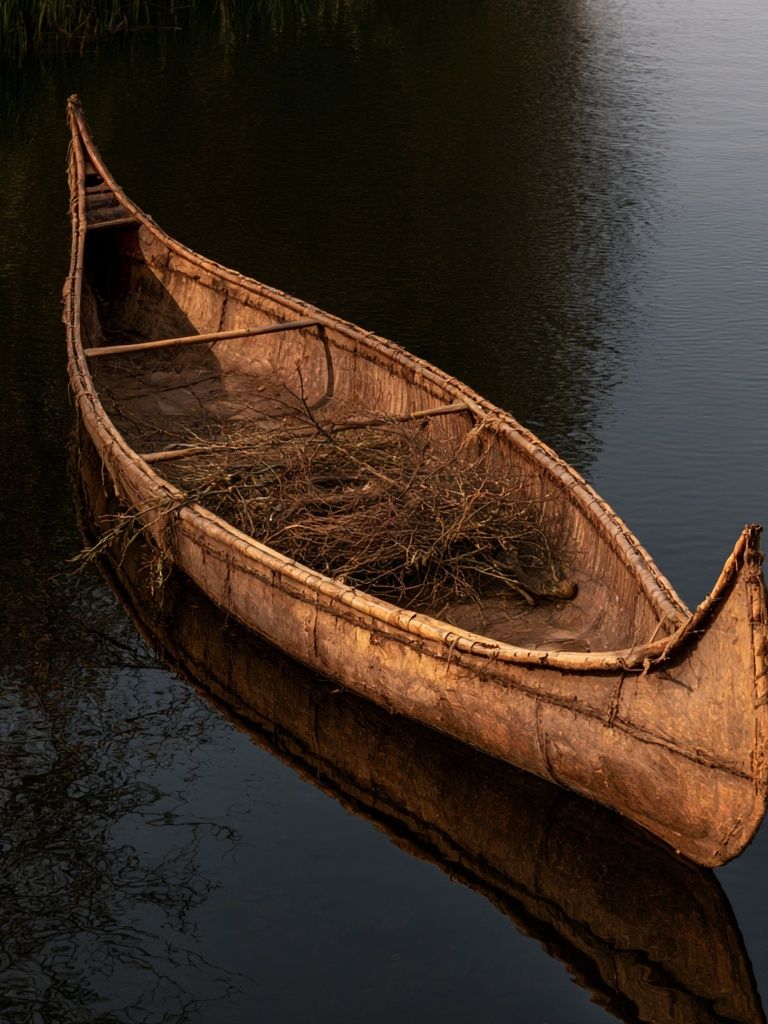
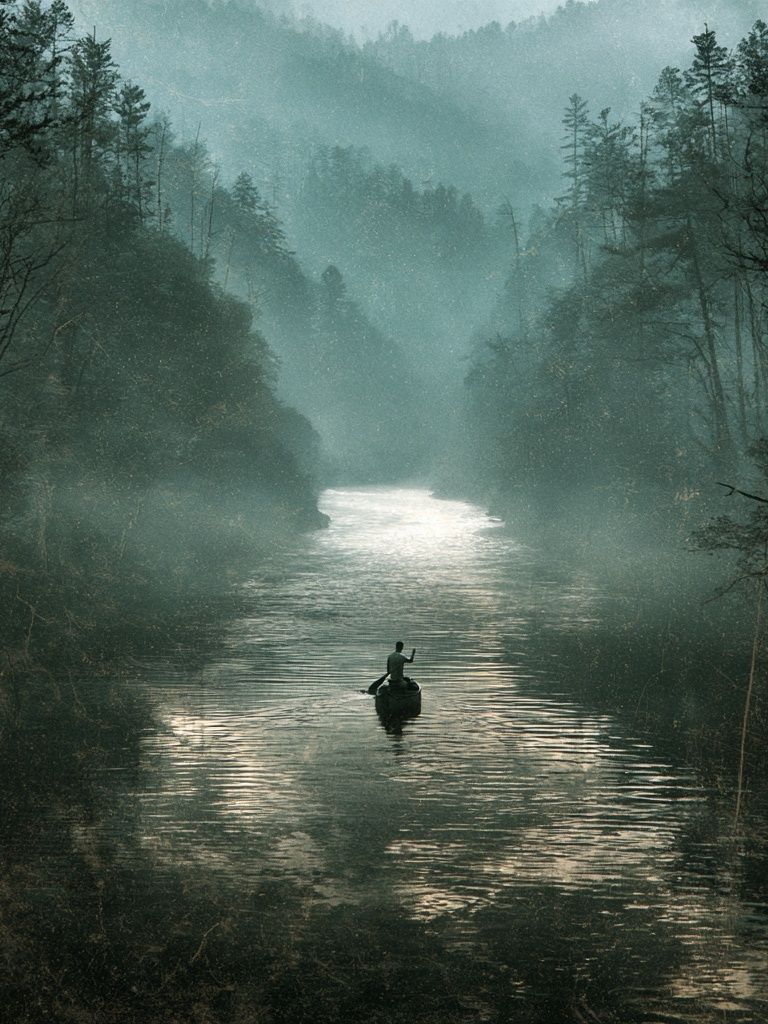
The strongest pieces in this category usually emphasize space around the subject. Water reflections, shoreline fog, and distant trees create negative space that gives the eye somewhere to rest. If your room already has patterned rugs, textured upholstery, or open shelving, that visual breathing room matters.
Choosing the Right Style for Your Space
The first decision is not size — it is mood. A canoe image can lean rustic, minimalist, nostalgic, or slightly dreamlike depending on the composition and palette.
If your room has leather, oak, iron, or woven materials, choose a natural landscape piece with visible water and tree line. A work such as Misty River Canoe Landscape Print suits that setting because the haze softens the scene and keeps the look mature rather than sporty.
If your style is cleaner and more modern, go for a pared-back composition with fewer colors and stronger silhouette. In that case, balance the canoe image with pieces from our Minimalist art prints so the wall feels intentional. A canoe scene beside soft neutrals and simple forms looks more refined than a full outdoors collage.
For a nostalgic approach, combine canoe art with subtle travel references. Think old park graphics, faded maps, or heritage-style typography-free imagery. This works particularly well with Maps Travel prints and park-inspired landscape art such as Yellowstone National Park — Vintage Print.
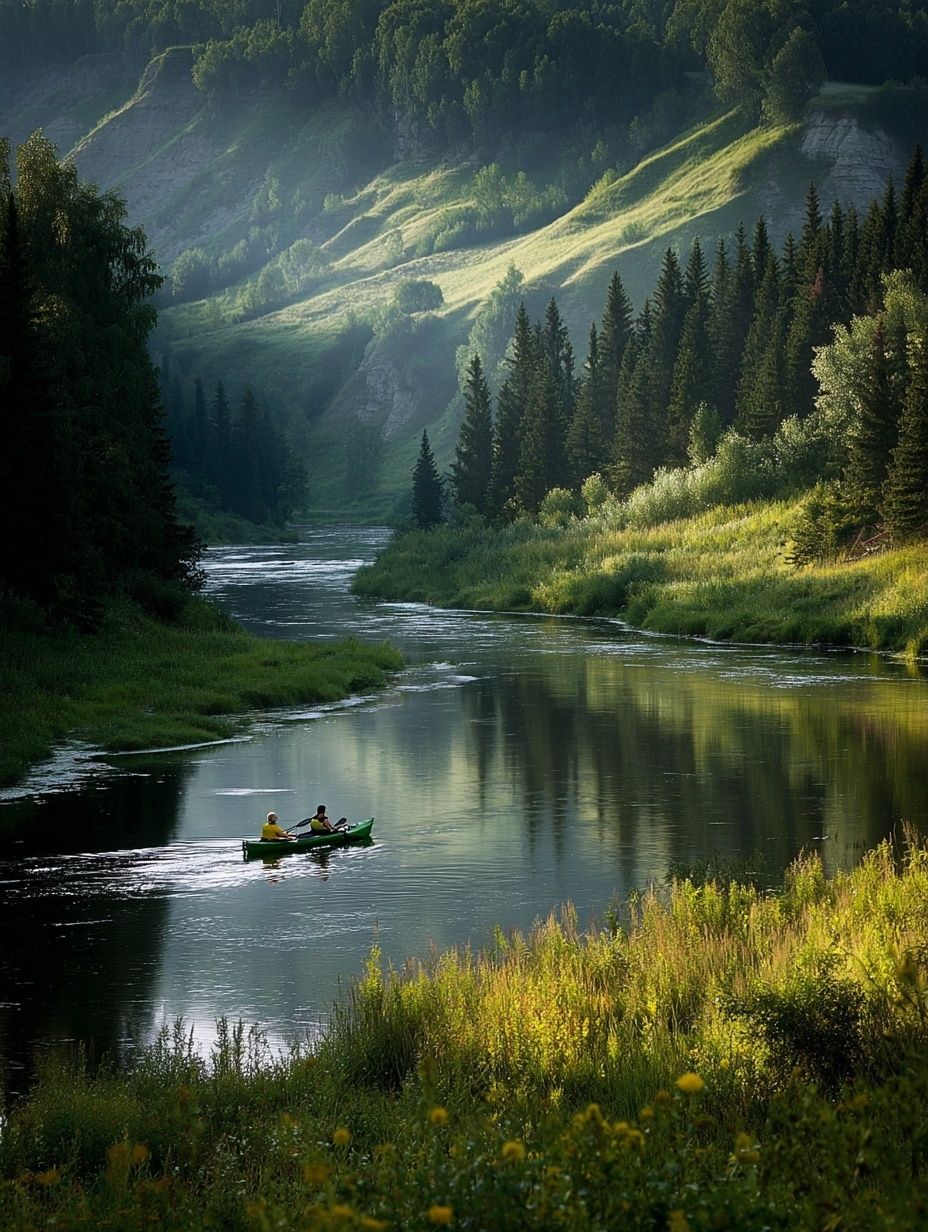
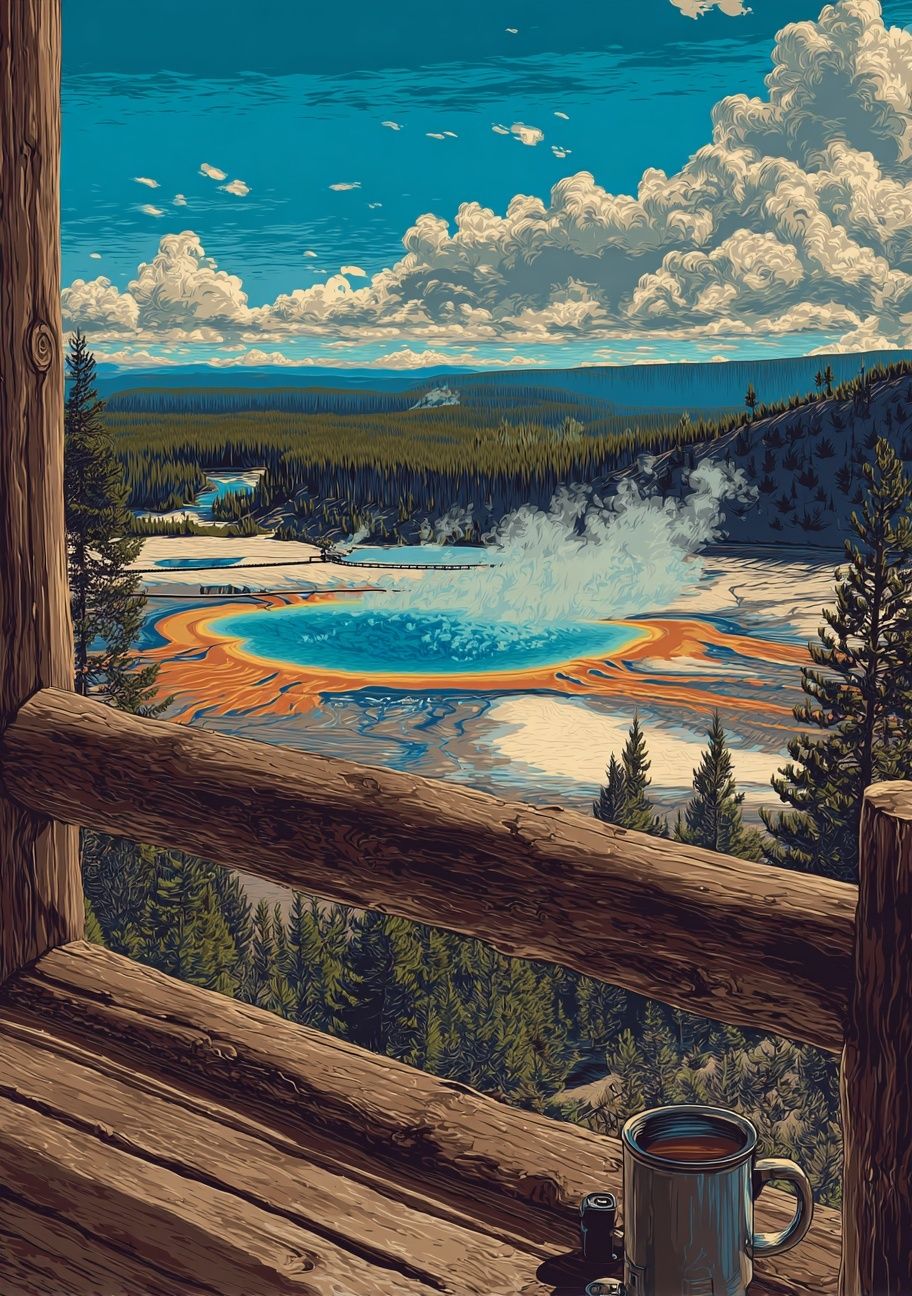

If you want something more atmospheric than literal, illustrated canoe pieces can be the right middle ground. They keep the outdoor reference but add a decorative quality that works well in bedrooms and creative workspaces.
Best Rooms for Canoe Wall Art

Living rooms are the easiest place to start. Above a 180 to 220 cm sofa, a canoe poster in the 70 x 100 cm range usually feels balanced. For larger walls, 100 x 150 cm gives more presence without requiring a full gallery arrangement. The elongated shape of a canoe also complements long furniture lines, which helps the art feel integrated.
Hallways are often overlooked, but canoe imagery works especially well there because it creates a sense of direction and movement. A single vertical or medium horizontal piece at the end of a corridor can draw the eye forward. In narrower spaces, avoid dark frames thicker than 2 to 3 cm unless the wall is very light.
Cabins and second homes suit canoe scenes naturally, but the art can be just as effective in city apartments when the rest of the room stays restrained. In an urban setting, a canoe print adds contrast — a reminder of water and distance against plaster walls, tailored upholstery, and cleaner architecture.
Bedrooms benefit from softer versions of the theme. Look for dusk, mist, or watercolor interpretations rather than high-contrast adventure scenes. A piece like Moonlit Forest Canoe Illustration Poster works well above a headboard because the cooler tones support a quieter mood.
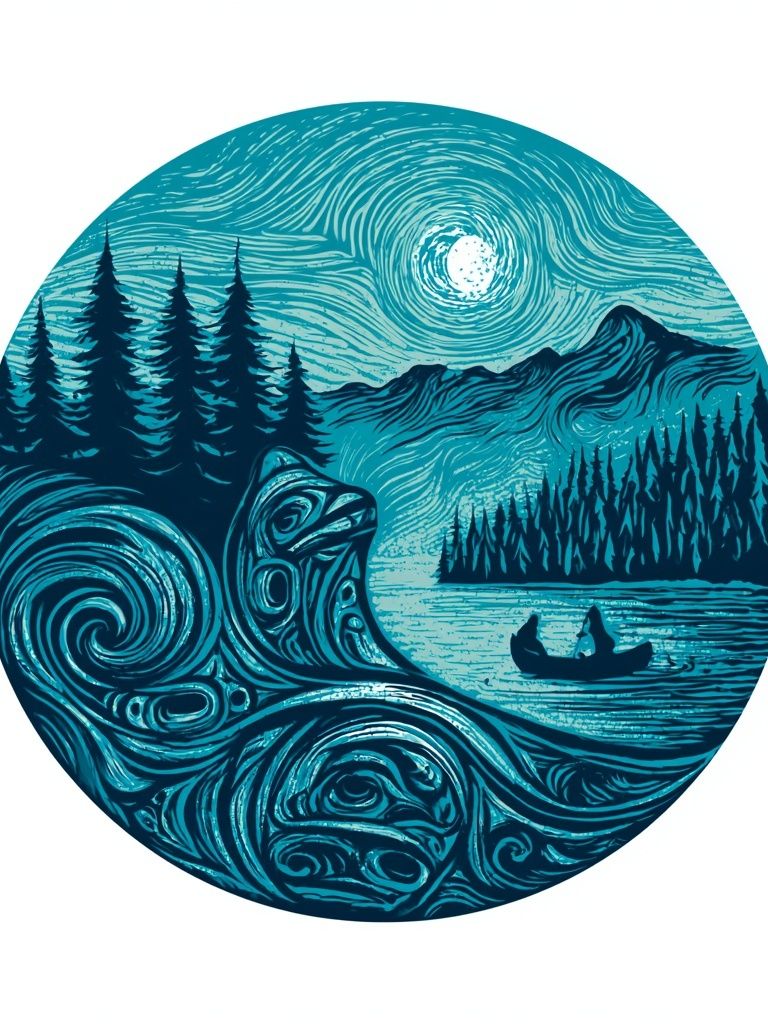
Home offices also make sense, especially if you want focus without visual blandness. Outdoor art can reduce the hard edge of task-driven spaces. One canoe print above a desk, paired with ash wood, matte black lighting, and one or two pieces from our Illustration collection, is often enough.
How to Pair Colors, Wood, and Texture
A canoe poster looks strongest when the room picks up on its materials. Start with wood. Mid-tone oak, walnut, pine, and weathered finishes all connect naturally to the canoe form itself. If your frame and furniture are both wood, keep them within one or two tones of each other so the wall feels cohesive rather than pieced together.
For textiles, think tactile rather than patterned. Linen, wool, cotton slub, burlap, and brushed canvas all reinforce the outdoor character. If your room already includes crisp modern surfaces, add one rougher material — a jute rug, woven basket, or raw ceramic lamp base — to stop the art from floating disconnected on the wall.

Neutral palettes are usually the best base: warm white, mushroom, clay beige, stone, sage, and fog gray. If the canoe artwork includes blue water, repeat that blue very lightly elsewhere — a cushion stripe, glass vase, or throw — instead of matching it exactly. Repetition at low intensity looks more sophisticated than one-for-one color copying.
You can also build a broader landscape wall by pairing canoe art with related natural subjects. Watercolor Pine Trees Poster or Serene Landscape — Watercolor Print both support the same quiet atmosphere without feeling repetitive.
Sizing, Framing, and Placement Tips
Size matters more than most people expect. Art that is too small makes even a beautiful image look incidental. As a guide, your framed piece or arrangement should span roughly 60 to 75% of the width of the furniture beneath it. Over a 200 cm sofa, that means a total width of about 120 to 150 cm.
For one piece, 50 x 70 cm suits small offices, entryways, and narrow wall sections. A 70 x 100 cm canoe poster has enough visual weight for most living rooms and bedrooms. If you have tall ceilings or a wide uninterrupted wall, 100 x 150 cm creates a stronger focal point and allows the scenery to breathe.
Frame finish changes the mood quickly. Natural oak keeps the look organic. Black wood or black metal sharpens the image and makes it feel more contemporary. White frames can work, but only if the artwork has enough depth or contrast to avoid washing out. In rustic interiors, medium oak is usually the safest choice.
Hang the center of the artwork around 145 cm from the floor in rooms where people stand and move through. Above furniture, leave 15 to 25 cm between the top of the sofa, console, or headboard and the bottom of the frame. If you are creating a pair or trio, keep spacing tight — around 5 to 8 cm — so the grouping reads as one composition.

If you want a more layered wall, combine one canoe piece with supporting works that share palette, not subject. That is where a landscape like Mountain River Canoe Landscape Poster can sit beside quieter textures or soft botanical forms without the arrangement becoming overly literal.
Finishing Touches for a Relaxed Outdoor Look
The room around the art should feel edited. Two or three supporting elements are enough: a timber side table, one textured throw, a ceramic vessel, or a reading lamp with a linen shade. Too many rustic accessories can push the room into costume territory.
A good canoe poster works best when it feels discovered, not forced. Let it connect to real materials already in the space — wood, wool, matte paint, simple ironwork — and repeat its colors with restraint. If you want extra depth, mix the canoe image with a few quiet pieces from nature wall art or travel-inspired prints rather than building an all-canoe wall.
Final thoughts
A canoe poster brings outdoor character into a room in a calm, usable way. It does not need dramatic styling to succeed — just the right scale, a frame that suits your furniture, and a palette that echoes wood, water, and natural fabric.
Choose the version that matches your interior rather than the one that shouts the loudest. When the image, frame, and room materials work together, canoe wall art feels settled from day one.
Frequently Asked Questions
What frame glazing is best for a canoe print?
Acrylic glazing is lighter and safer for larger sizes like 70 x 100 cm or 100 x 150 cm. Glass gives a slightly sharper finish, but it is heavier and less practical for busy hallways or cabins.
Can I style canoe wall art in a modern apartment?
Yes — choose a simple composition with muted tones and pair it with clean-lined furniture. Black or light oak frames usually help it feel more architectural.
What other subjects pair well with a canoe poster?
Pine trees, misty landscapes, maps, quiet water scenes, and subtle abstract textures all work well. Keep the palette consistent and avoid pairing it with highly saturated art.
Should I hang canoe artwork alone or in a gallery wall?
A single larger piece looks strongest in most rooms. Use a gallery wall only if the other works share the same subdued palette and enough negative space.
Is a canoe print suitable for humid areas like a lake house entry?
Yes, but use a sealed frame and keep the artwork away from direct moisture or heat sources. In higher-humidity homes, stable indoor climate matters more than the room type itself.