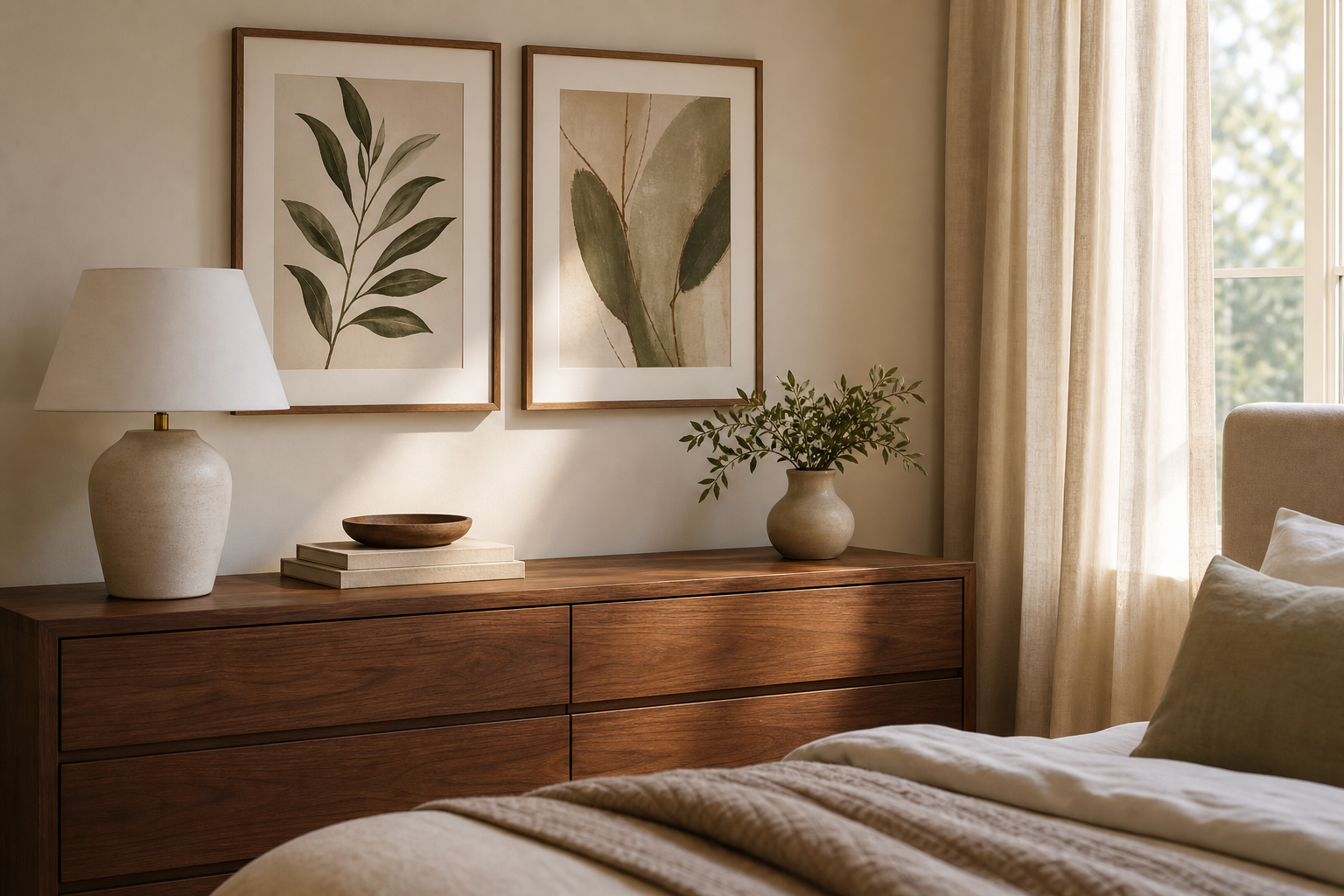
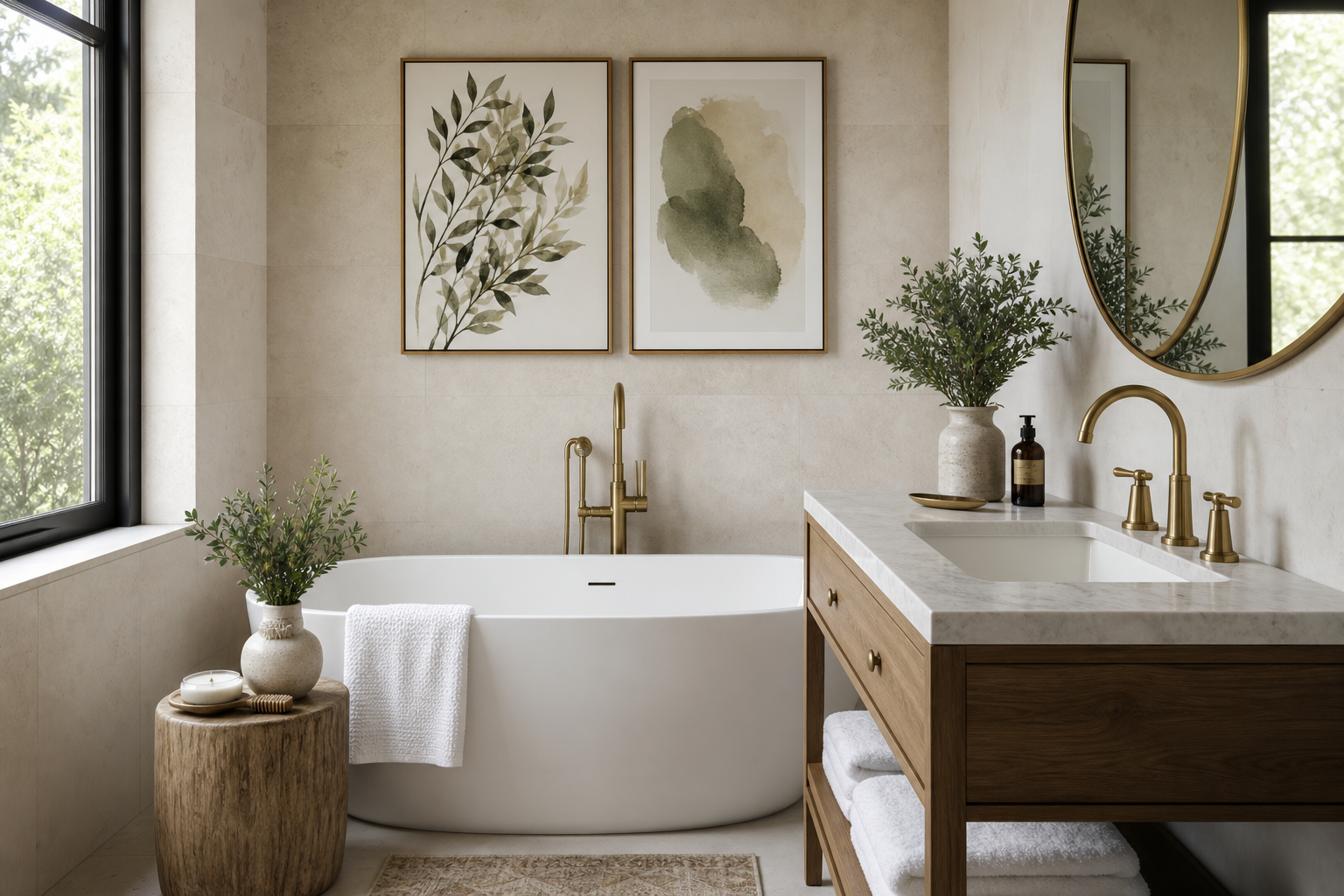
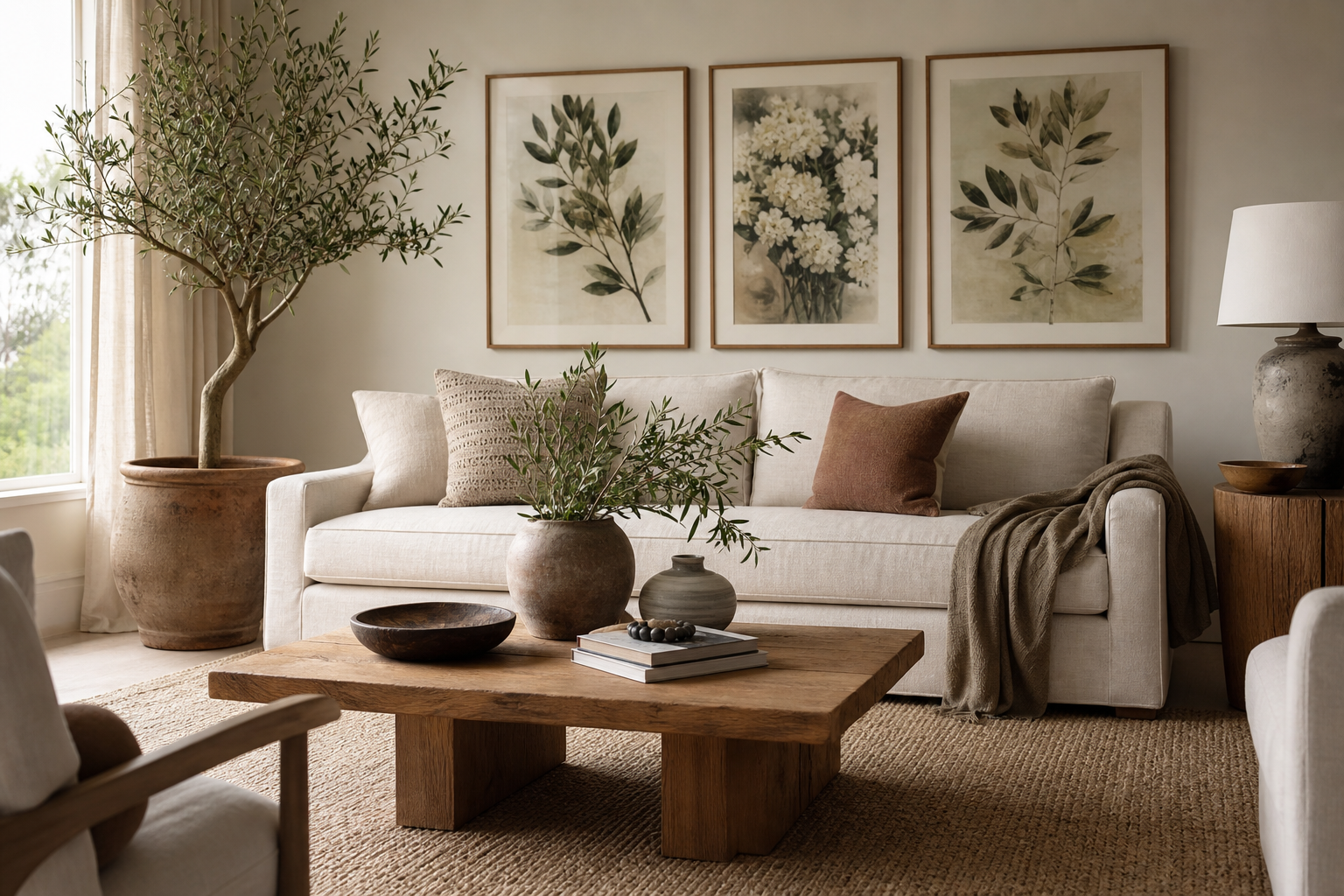
Art prints 11x14 are one of the easiest sizes to live with. At 11 by 14 inches, the format feels substantial enough to stand on its own, but still compact enough for smaller walls, shelves, desks, and layered vignettes. That balance is exactly why it works in apartments, family homes, and offices alike.
An 11x14 ratio also gives you more visual presence than an 8x10 without requiring the commitment of a 16x20 or 24x36 piece. In practical terms, that means art prints 11x14 can fill a gap above a nightstand, anchor a slim entry console, or slot neatly into a gallery wall without overpowering everything around them.
Why 11x14 Works So Well
The strongest advantage of 11x14 is proportion. It reads clearly from 4 to 8 feet away, which is the viewing distance you get in most bedrooms, hallways, and work corners. Smaller prints often disappear unless grouped tightly, while larger pieces can look cramped on walls under 40 inches wide.
This size is also flexible across styles. A softly toned piece from our minimalist collection can look calm and architectural in a bedroom, while expressive pieces from our fine art collection bring more movement and color to living spaces. If you prefer bolder shapes, abstract wall art in 11x14 gives enough impact without making a small room feel visually busy.
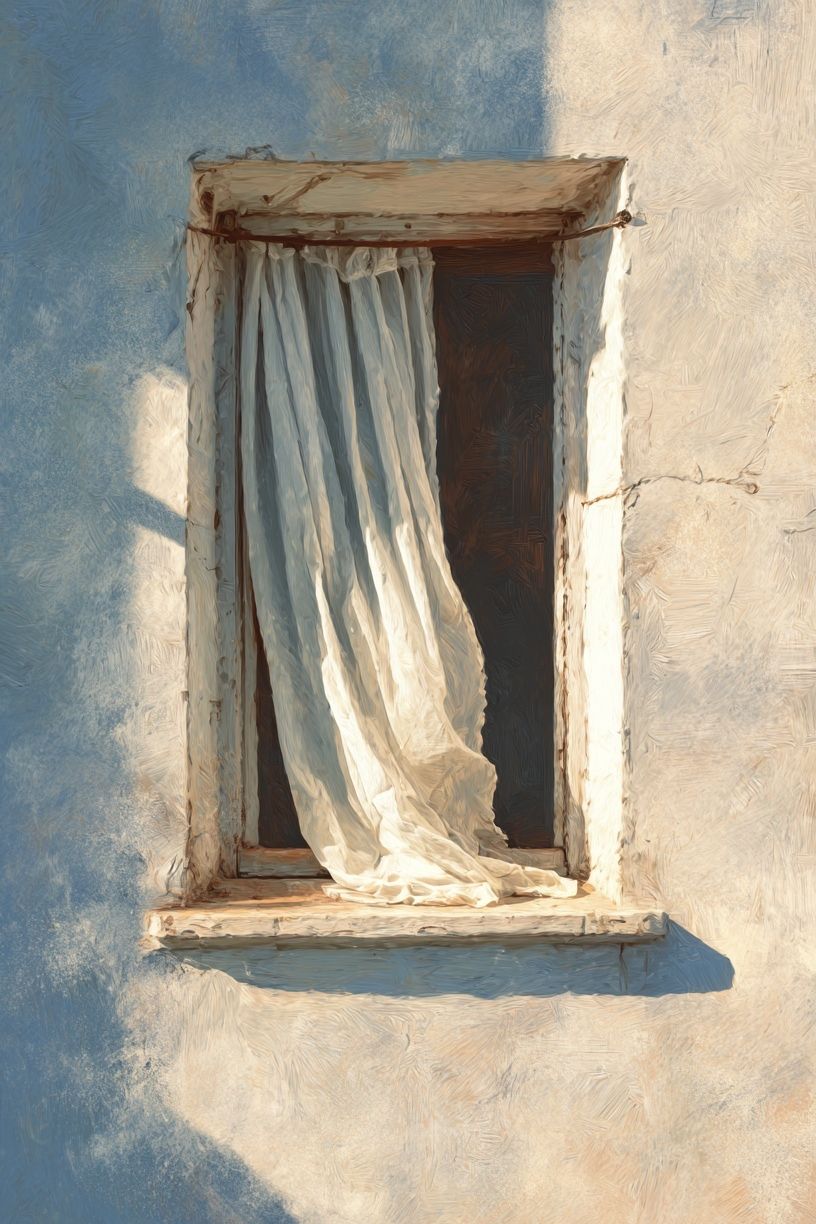
A single 11x14 print often looks best with a little breathing room around it. On a narrow wall, leave at least 4 to 6 inches of space from furniture edges. On a shelf or picture ledge, overlap it slightly with smaller objects such as a candle, bud vase, or stacked books so the arrangement feels styled rather than lined up.
Where to Hang 11x14 Art Prints

The best placements for 11x14 art are the spots that need personality more than coverage. Think entryways 30 to 48 inches wide, wall space above a desk, the area beside a window, or that awkward strip between a dresser and a doorway. In these locations, one framed piece can finish the room without adding clutter.
Above furniture, aim to hang the print so its center sits around 57 to 60 inches from the floor, or slightly lower if it relates to a console, desk, or nightstand. If it sits above furniture, keep the bottom edge about 6 to 8 inches above the surface. That distance makes the art feel connected to the furniture rather than floating.
Bedrooms are especially forgiving. A pair of 11x14 prints above nightstands creates symmetry with less visual weight than one large piece over the bed. For study corners or home offices, try a single vertical print in a black or oak frame to keep the wall crisp and structured. If you like softer, decorative subjects, browse illustration prints for small spaces that need charm instead of scale.

How to Frame 11x14 Prints
Framing changes the personality of the piece more than most buyers expect. A slim black frame gives definition and contrast — especially with light-toned art. Oak or ash feels warmer and works well with Scandinavian, organic modern, and mid-century interiors. White frames disappear more easily into pale walls, which can be useful if you want the subject to lead.
Matting is where 11x14 gets even more versatile. If your print itself is 11x14, placing it in a larger frame with a 2-inch mat can make it read closer to a 16x20 statement piece. That is a smart move when the wall feels a little too open for the artwork alone. For shelves and desks, skip the mat and keep the framing tight to preserve a compact footprint.

Texture matters too. A refined piece such as White Flower Silhouette gains presence in a frame with real depth — ideally around 0.6 to 1 inch on the face. If you want something moodier, a work like Starry Night benefits from a darker frame that echoes the deeper tones in the image rather than competing with them.
Building a Gallery Wall with 11x14 Pieces
A strong gallery wall usually needs one reliable "middle" size, and 11x14 is exactly that. It bridges the gap between smaller accents like 8x10 and larger anchors like 16x20 or 20x28. In a composition of 5 to 9 frames, use two to four 11x14 pieces to create rhythm across the layout.
Keep spacing consistent. A gap of 2 to 3 inches between frames looks tidy in compact arrangements, while 3 to 4 inches works better on larger living-room walls. If every piece is 11x14, use matching frames and let the subject matter vary. If you mix sizes, align either the outer edges or the centerline so the arrangement feels deliberate.



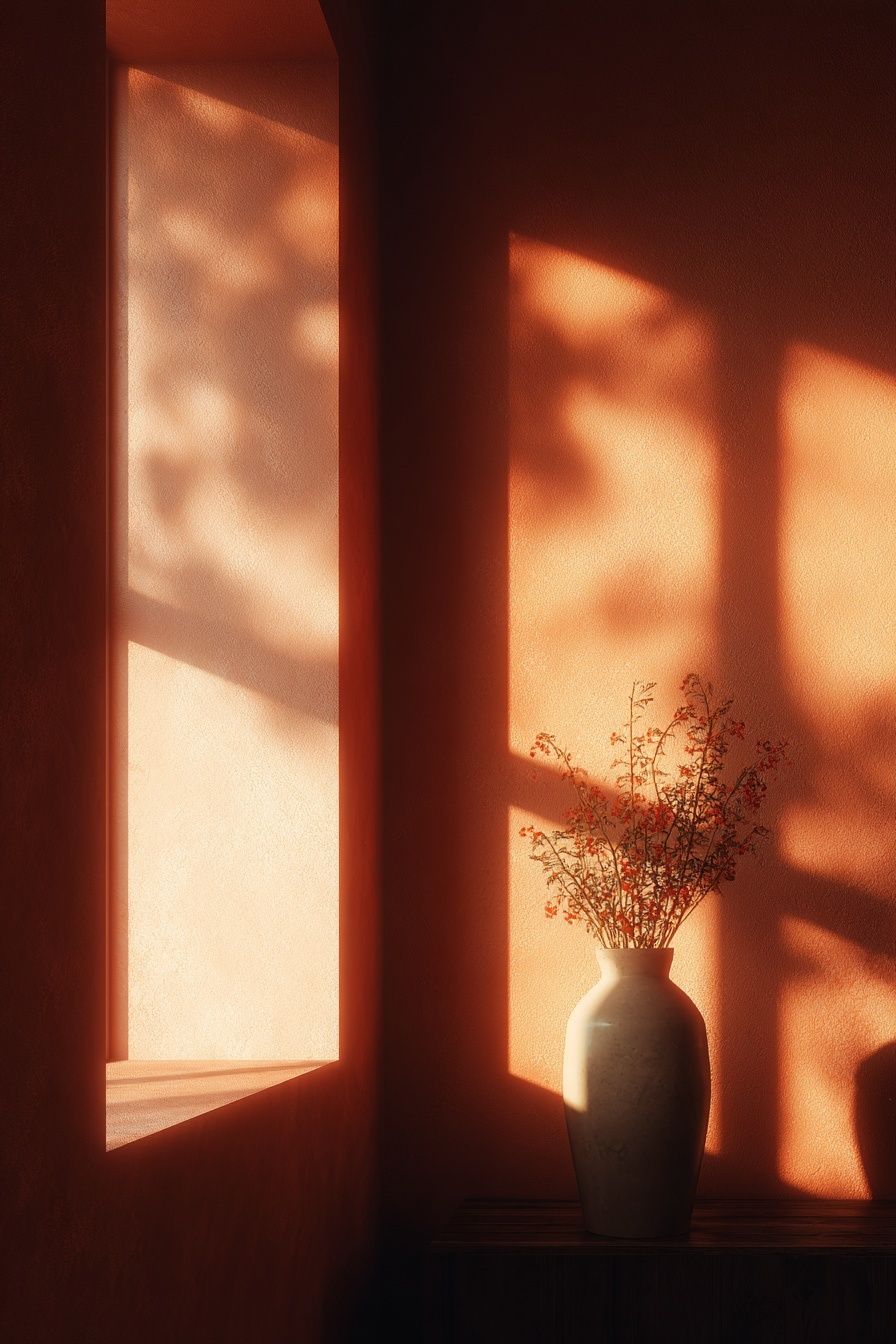

One easy formula is 60/30/10: around 60% calm or neutral pieces, 30% medium-contrast work, and 10% something bolder. That could mean pairing Vase with Flowers with Blush Watercolor Abstract and then adding one more expressive piece for contrast. The result feels collected rather than random.
Choosing Colors and Subjects That Fit Your Room
Color should echo the room, not duplicate it exactly. A useful rule is to pull 1 or 2 tones already present in the space — from a rug, throw pillow, wood finish, or painted wall — then introduce one adjacent tone through the art. That creates connection without making the room look overmatched.
In warm interiors with oak, beige, rust, or terracotta, look for muted florals, textured neutrals, or earthy abstracts. In cooler rooms with charcoal, white, or gray, cleaner black-and-white minimal work often looks sharper. If the room already has strong pattern — striped bedding, a bold rug, veined stone — choose quieter art so the wall can steady the space.

Subject also matters. Bedrooms usually suit softer imagery such as botanicals, fabric studies, or atmospheric landscapes. Offices can handle more graphic subjects, especially from our minimalist art range or contemporary abstract collection. Living rooms are the most flexible — this is where painterly scenes like Woman with a Parasol or sculptural forms from the mid-century modern collection tend to land well.

Size Tips Before You Buy
Measure the actual wall, then measure the visual zone you want the art to occupy. For a single 11x14 piece above furniture, a good target is 50% to 75% of the furniture width when framed or matted into a larger overall size. If your console is 36 inches wide, an 11x14 in a matted 16x20 frame often looks more resolved than an unmatted 11x14 alone.
Check orientation before you commit. Vertical art helps narrow walls look taller, while horizontal compositions feel calmer above desks, shelves, and headboards. Also consider glare — glossy glazing opposite a bright window can wash out detail during the day. In sunny rooms, matte paper and acrylic with lower reflectivity usually read better.
If you're building a set, mock it up first with kraft paper or masking tape rectangles cut to 11 by 14 inches. That 10-minute step prevents most scale mistakes. It also helps you decide whether one piece is enough or whether the wall really needs two or three.
Final Styling Notes and Shop Smart Advice
Art prints 11x14 work best when you treat them as part of the room's structure, not just decoration added at the end. Keep hanging heights disciplined, frames consistent within a grouping, and colors connected to materials already in the space. A well-chosen 11x14 can do more than fill a gap — it can define a reading corner, sharpen a hallway, or make a bedroom feel finished.
When shopping, start with the room's need: contrast, softness, color, or balance. Then choose subject, frame, and placement in that order. That approach leads to pieces you keep longer and move more easily from one room to the next.
Frequently Asked Questions
Is 11x14 a standard frame size?
Yes. It is one of the easiest art sizes to frame, with many ready-made options available in wood, metal, and acrylic-front styles.
Should I add a mat to 11x14 prints?
If you want a more elevated look or need more visual presence on the wall, add a 1.5- to 2-inch mat. For shelves and tight spaces, no mat usually looks cleaner.
Can 11x14 prints work on a picture ledge?
Yes — especially on ledges that are 4 to 6 inches deep. Lean the frame slightly against the wall and overlap it with one or two smaller objects for a layered look.
What frame color is safest if I want to move the print between rooms later?
Black and light oak are the most adaptable. Black adds definition in almost any space, while oak blends easily with warm, natural interiors.
How many 11x14 pieces do I need for a small gallery wall?
For a wall above a desk or console, 2 to 4 pieces is usually enough. For a sofa wall, use 3 to 6 as part of a larger mix with other sizes.