An effective anime female character sheet turns a loose idea into a working reference. It shows how the character looks from multiple angles, how she moves, which features stay consistent, and which design details matter most. If you are building an anime female character sheet for personal art, comics, or animation, the goal is clarity before decoration.
A strong sheet usually fits on one page or a clean two-page spread and includes 5 to 8 essential views. That often means a front view, side view, back view, 3 to 6 facial expressions, one full outfit view, and 2 to 4 detail callouts for items like shoes, hair accessories, or props. For visual inspiration, our Anime collection and Illustration art prints show how pose, styling, and color can define a character instantly.
What an Anime Female Character Sheet Should Show
The core job of an anime female character sheet is consistency. If someone else had to draw your character tomorrow, they should understand her proportions, hairstyle, clothing layers, and personality within 30 seconds. Start with neutral reference views rather than dramatic action poses. A straight-on front view and a relaxed side view reveal more useful information than a foreshortened action shot.
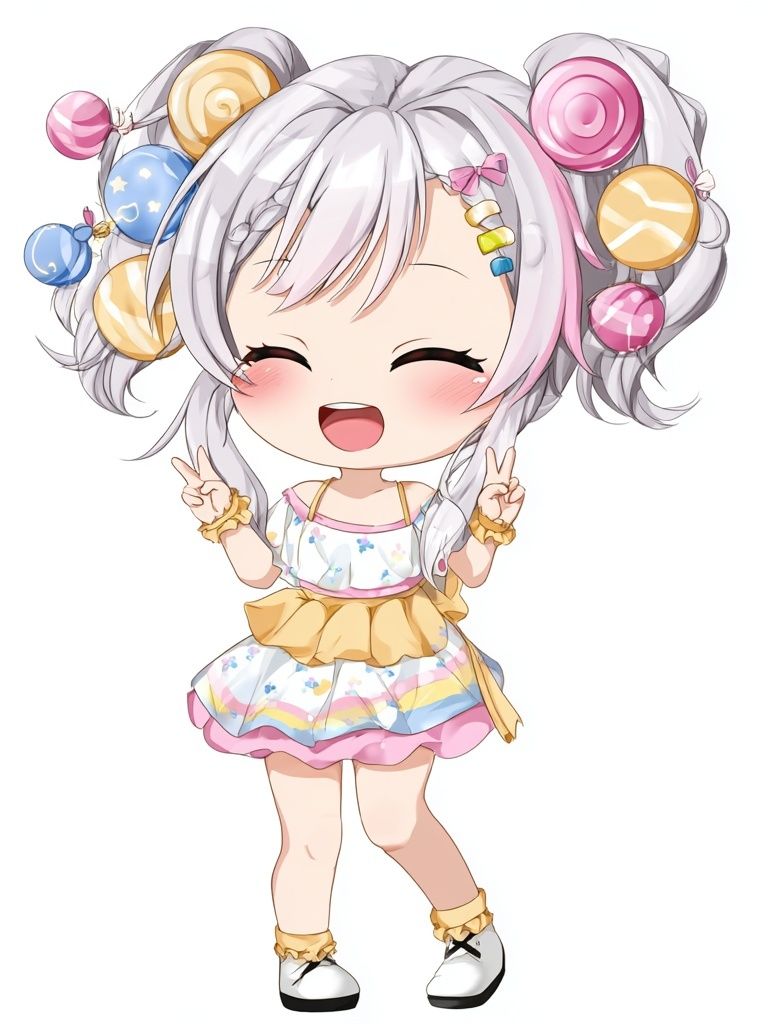
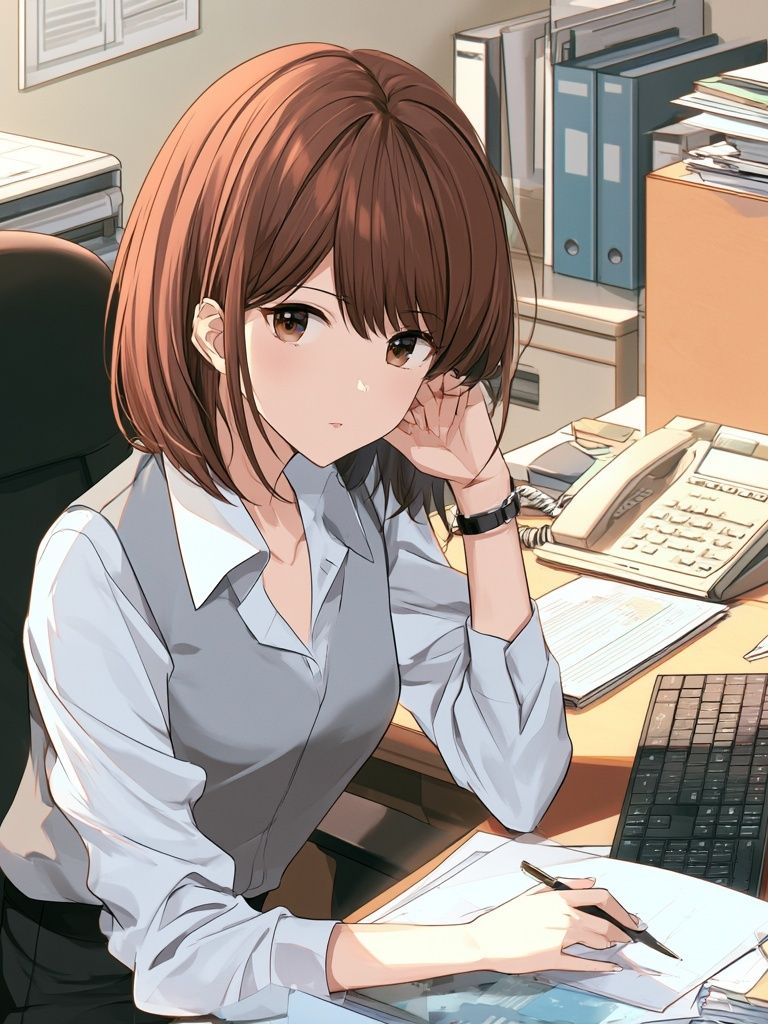
Include fixed design rules directly in the sheet. Note the eye shape, hair parting, skirt length, sock height, jacket fit, or signature accessory placement. Even one sentence such as "bangs always cover the left eyebrow" prevents design drift across different illustrations. You can study how strong character identity works in Anime Character Portrait and Office Girl Anime Illustration—both rely on clear facial and styling decisions rather than clutter.

Start With the Character’s Shape and Silhouette
A memorable silhouette reads before the viewer notices color or detail. In an anime female character sheet, begin by blocking the body with simple shapes—circle for the head, wedge or oval for the torso, cylinders for limbs. Then test whether the character still feels distinct as a black silhouette. If the outline becomes generic, adjust the hairstyle, sleeve volume, skirt shape, footwear, or posture.
Most anime proportions use a 6.5 to 8-head-tall figure, depending on age and style. A school-age design may sit around 6.5 or 7 heads tall, while a more elegant or mature heroine often reaches 7.5 to 8. Use one unit system throughout the page. If the head changes size between front and side views by even 10%, the whole sheet starts to feel unreliable.

Body language should support personality from the first line. A shy character may tilt inward through the shoulders and knees, while a confident lead often stands with a longer neck line, open chest, and balanced footing. If you want a sharper, high-contrast attitude, browse Cyberpunk Girl or Dark Elegance for examples of how shape and stance build identity quickly.
Build the Face, Hair, and Expression Range
The face section is where many character sheets either become useful or fall apart. Keep one neutral face at the largest size, then place 4 to 6 smaller expressions beside it. Good baseline choices are neutral, happy, annoyed, surprised, sad, and determined. This gives enough emotional spread to establish how the mouth, brows, eyelids, and cheeks behave without overcrowding the page.
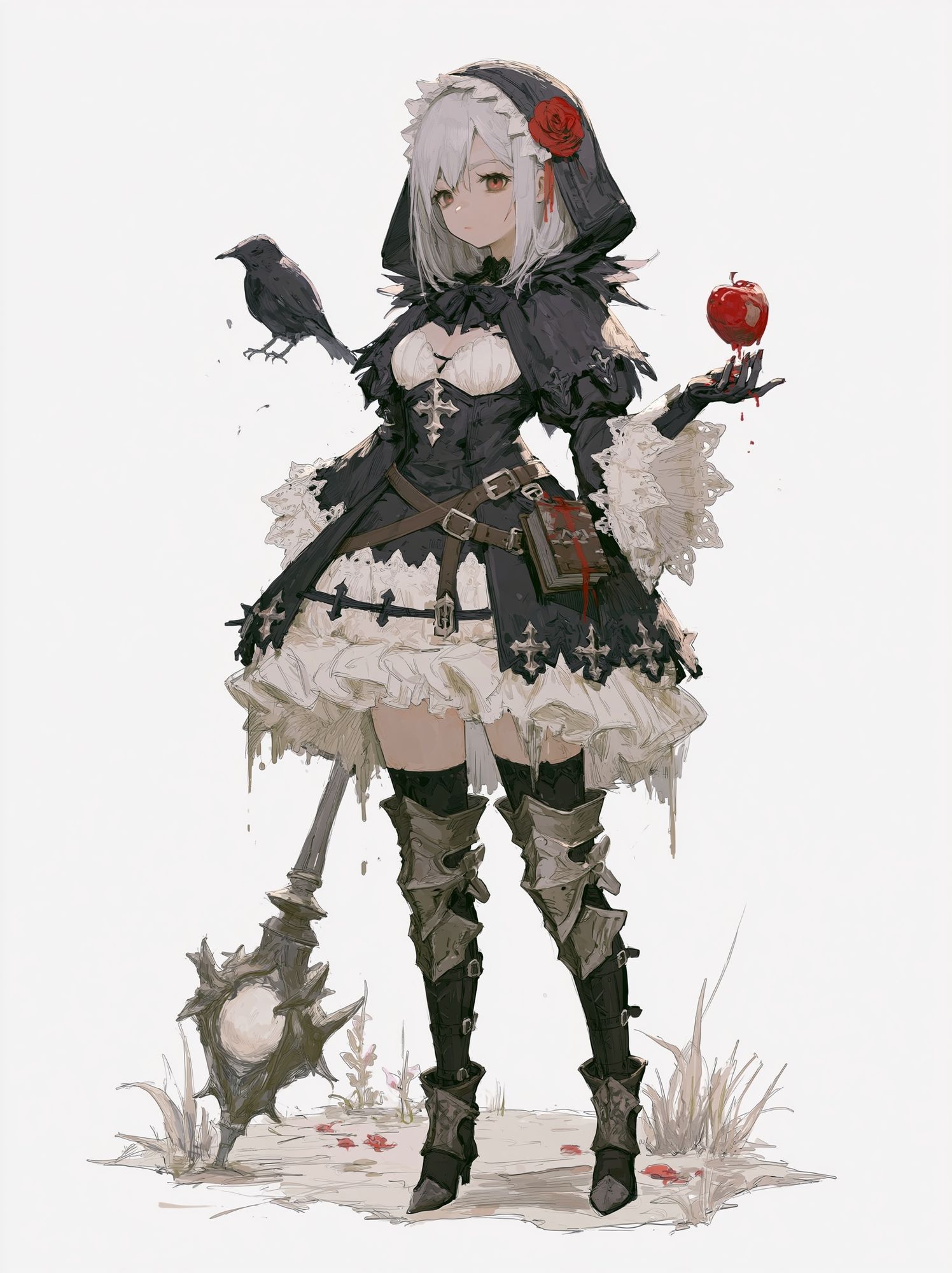
Hair deserves its own structure notes. Show the front hairline, side locks, back mass, and any tied sections separately if the style is layered. In anime design, hair often carries 30% to 40% of the character’s recognizability, so avoid drawing it loosely in one panel and tightly in another. A clean reference for shape-driven styling is visible in Gothic Anime Girl Illustration, where the hair and face framing do much of the visual work.
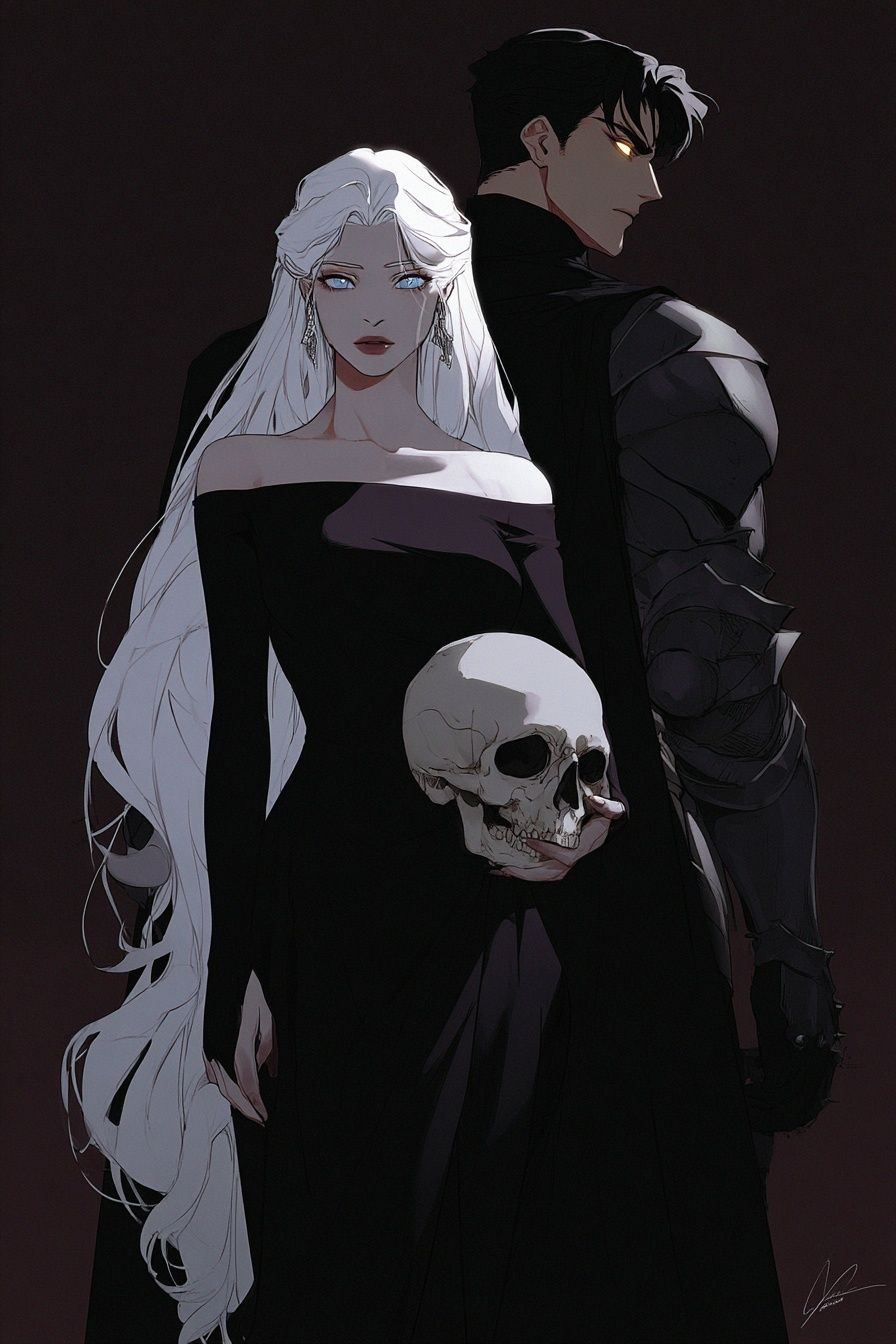
When building an anime female character sheet, keep the eye spacing, nose placement, and jaw width measurable. A practical method is to place faint guidelines under each face: brow line, eye line, nose base, and chin. If the neutral face and angry face change skull shape, the expressions will feel like different people.
Choose an Outfit That Tells the Story
Clothing should explain role, habits, and social world. Ask three direct questions: What does she do every day? What does she value? What would she never wear? A student, idol, fighter, office worker, or futuristic courier should not all share the same jacket, pleated skirt, and boots unless the sameness is part of the concept.
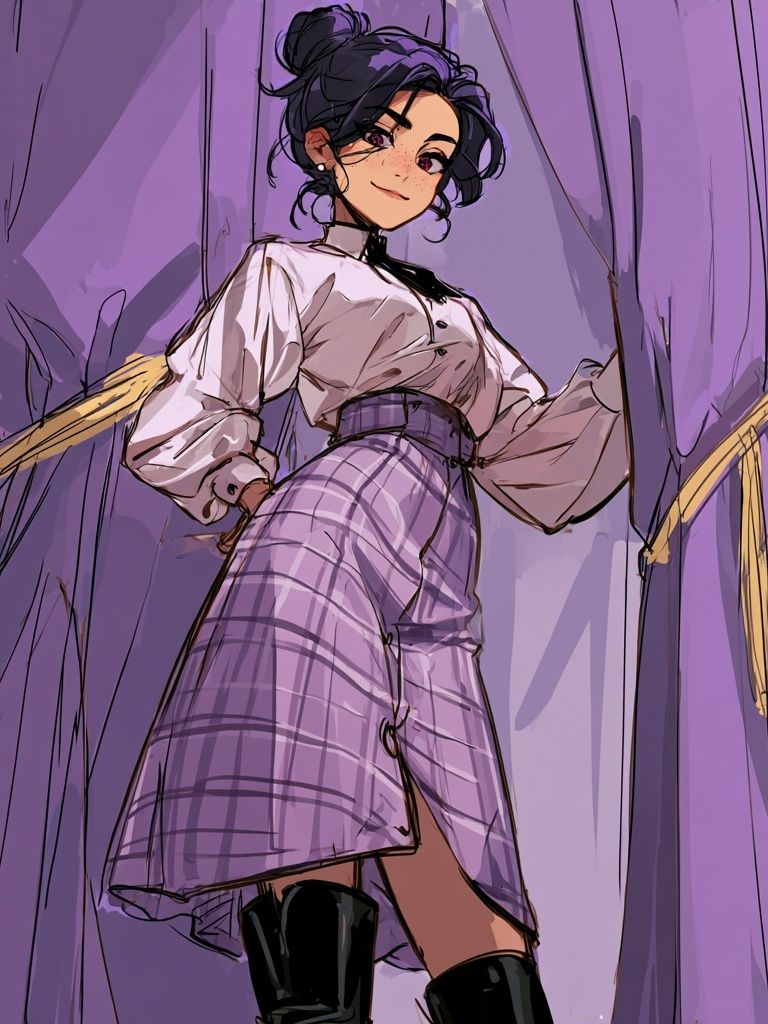
Outfit design works best in layers. Start with the base silhouette, then add one signature feature, one texture contrast, and one accent color. For example, a reserved character might wear a dark cardigan over a light blouse with one bold pin or ribbon. A high-energy design could use asymmetry, brighter trim, and more visible hardware. Our fashion art prints can help if you want stronger clothing logic, especially pieces like Futuristic Woman in Red and Fashionable Street Style.

Color should stay controlled. Two main colors plus one accent is often enough. A 60/30/10 split works well: 60% dominant base color, 30% secondary support color, 10% accent. If every item is bright, nothing feels intentional. An anime female character sheet becomes easier to read when the outfit palette is limited and repeated consistently in shoes, hair accessories, and trim.
Add Turnarounds, Pose Variations, and Detail Callouts
The turnaround is the technical backbone of the sheet. Place front, side, and back views in one row at the same height, with eye line, shoulder line, waist, knees, and feet aligned. If space allows, add a 3/4 view, since it often shows the most useful mix of face and body information. Leave 2 to 3 cm of white space between figures so the sheet does not become crowded.
Small callouts save time later. Add enlarged drawings of the shoes, earrings, gloves, hair clip, bag strap, sleeve cuff, or weapon grip. These details are where inconsistency creeps in fastest. If the character uses props, show both "at rest" and "in hand" versions. For pose studies, one calm standing pose and one action-oriented pose are usually enough.

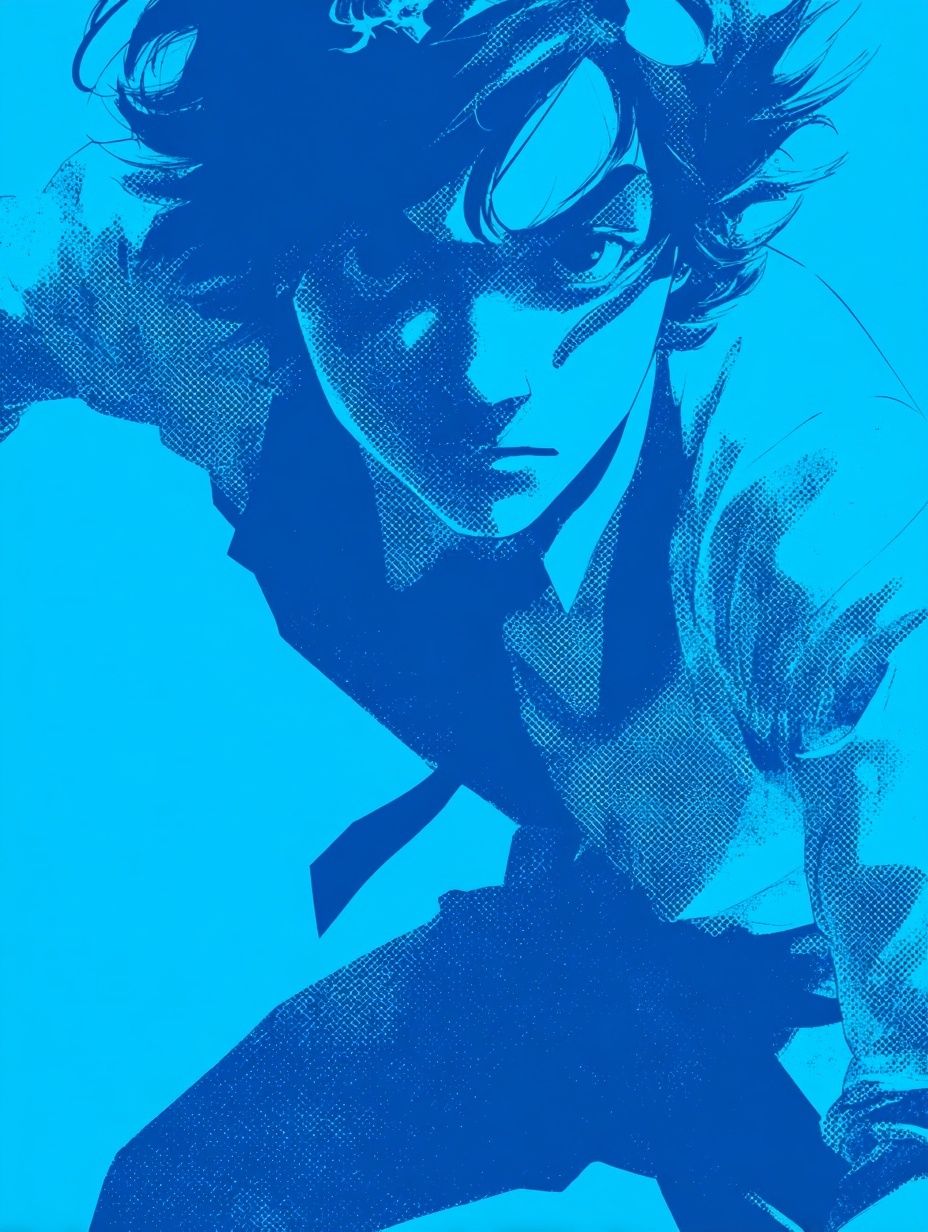
Dynamic reference can help when you add that final action pose. Dynamic Character is a good reminder that movement starts in line of action and balance, not in extra costume detail.
Common Mistakes to Avoid in Character Sheets
The most common problem is inconsistent proportion. Arms get longer in one panel, bangs move sides, or the torso narrows dramatically between front and back views. A simple fix is to duplicate your base figure structure and trace over it for each angle rather than redrawing from scratch every time.
Another issue is over-design. Too many buckles, ribbons, seams, gradients, and layered accessories make the character harder to animate, redraw, or even understand. If a detail cannot be recognized at thumbnail size, ask whether it deserves to stay. Strong design usually comes from 1 to 2 memorable features, not 12 minor ones.
Presentation can also fail when the page hierarchy is unclear. If every drawing is the same size, the viewer does not know where to look first. Make the neutral full-body view the largest element, expressions second, and detail callouts smallest. That order creates a clear reading path across the anime female character sheet.
How to Finish and Present the Sheet Cleanly
Use a restrained layout with clear margins and even spacing. A practical canvas size for digital work is 3000 x 4200 px at 300 dpi for a vertical sheet, or 4200 x 3000 px for a horizontal one. Keep labels small and functional—name, age range, height, palette notes, and material notes are enough. If text starts competing with the drawings, reduce it.
Line weight and color should stay consistent across the entire page. If one figure is fully rendered and another is only sketchy, the sheet looks unfinished rather than expressive. For final polish, check three things at 50% zoom: alignment, silhouette clarity, and whether each panel adds new information. If not, cut it.

Final thoughts
A polished anime female character sheet is less about showing everything and more about showing the right things clearly. Prioritize proportion, silhouette, expressions, outfit logic, and turnarounds before rendering details.
When the sheet is easy to scan, easy to reuse, and consistent from top to bottom, it becomes a real production tool rather than just a nice drawing page. That is what makes an anime female character sheet successful.
Frequently Asked Questions
What size should I print a character sheet for review?
A3 works well for printing because front, side, back, and expression studies stay readable without shrinking details too much. For home printers, split the sheet across two A4 pages.
Should I color the whole sheet or keep it line art only?
Use flat colors for the main outfit and hair if color is important to the character. Keep expressions and detail callouts in line art or minimal shading to avoid visual overload.
How many expressions are enough on one sheet?
Four to six is the practical range for most projects. Fewer than four feels incomplete, while more than six often crowds the layout unless you use a second page.
What background should a character sheet use?
Use plain white, light gray, or a very pale warm neutral background. Strong textures or dark backgrounds reduce readability and make line work harder to evaluate.
How do I keep accessories consistent across angles?
Draw each accessory once as a separate mini reference with measurements or placement notes. Mark exact positions such as "2 cm below collarbone" or "aligned with outer ankle bone" when needed.