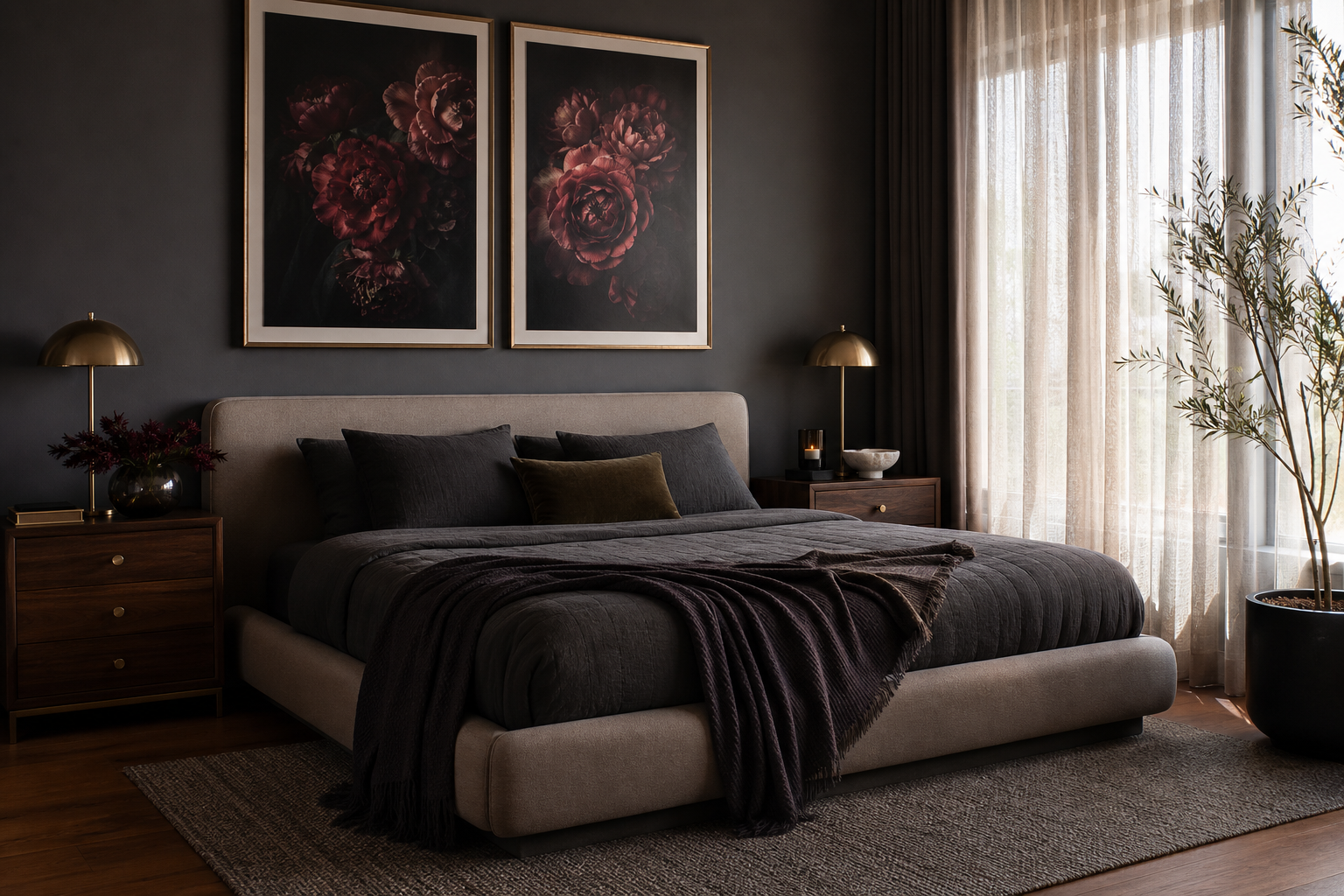
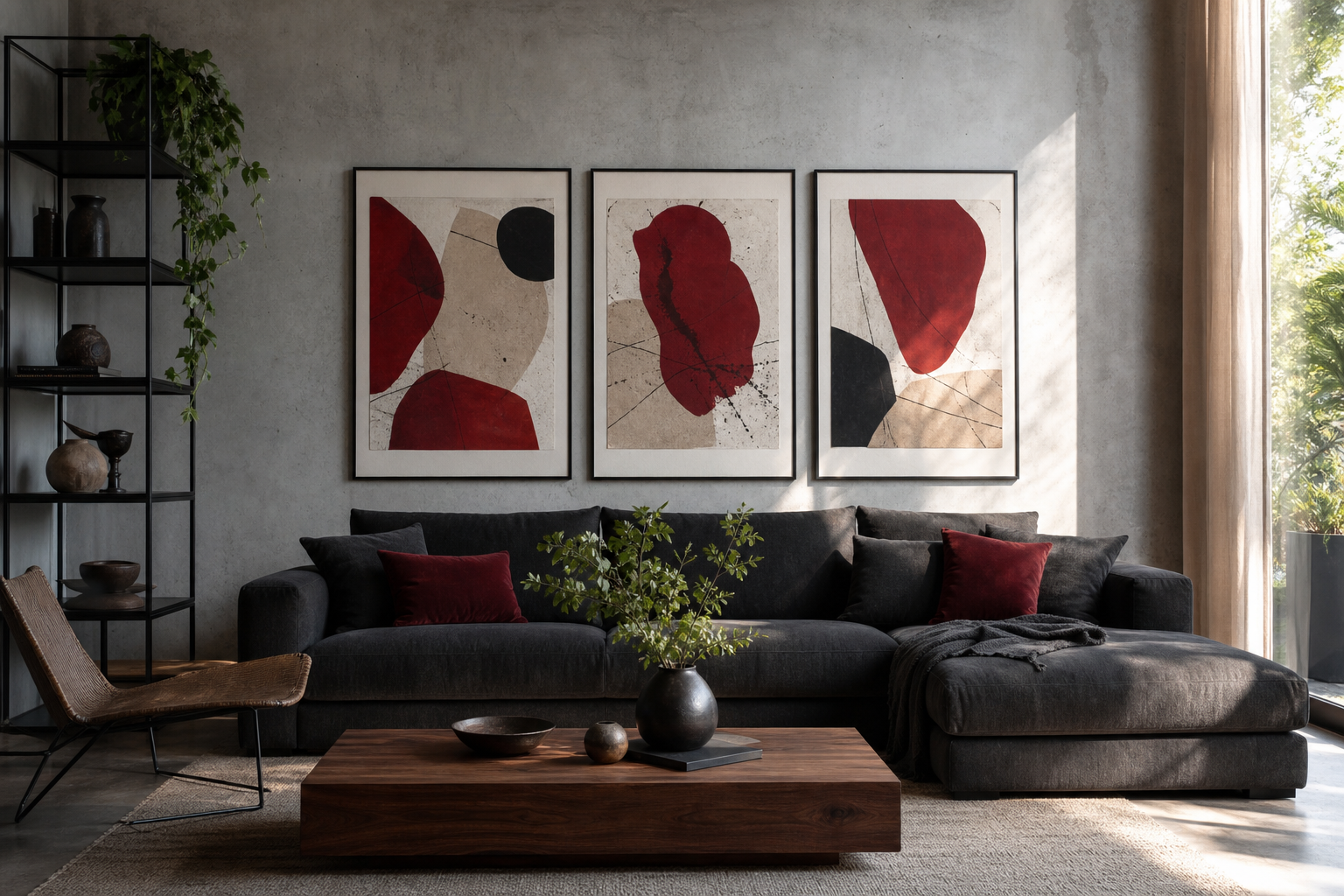
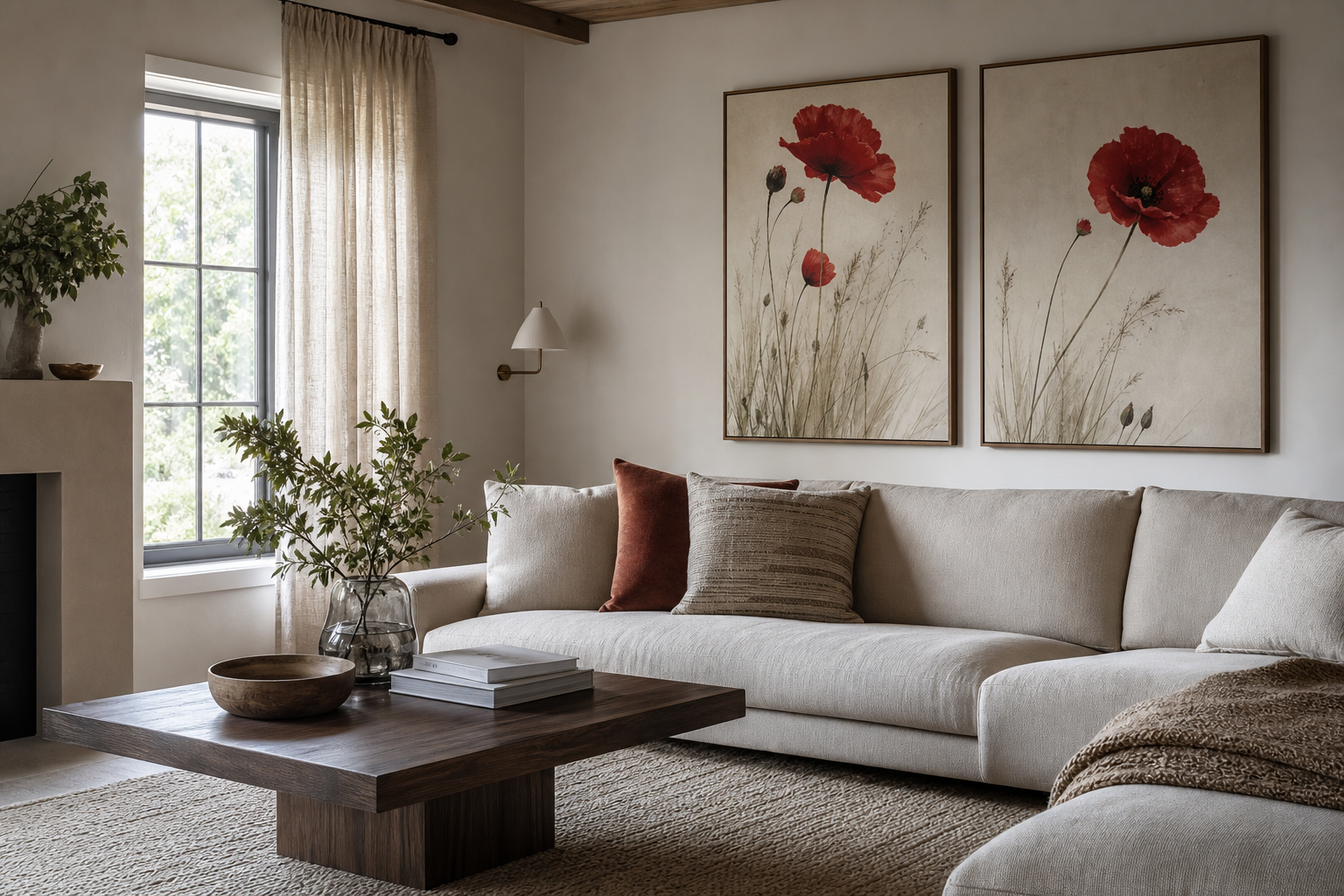
Sepia portraits bring warmth in a way black-and-white rarely does. The brown undertone softens contrast, flatters skin tones, and adds visual depth without introducing loud color. In practical terms, that makes sepia portraits easy to live with in rooms built around oak, walnut, linen, leather, brass, and matte black finishes.
Why Sepia Portraits Feel So Timeless
Sepia tones have a direct link to early photography, so they carry a built-in sense of history. That association matters in interiors. A sepia image can make a new apartment feel more grounded, or give a streamlined room a layer of memory and character. If you like the restraint of minimalist wall art but want something less stark, sepia is a strong middle ground.
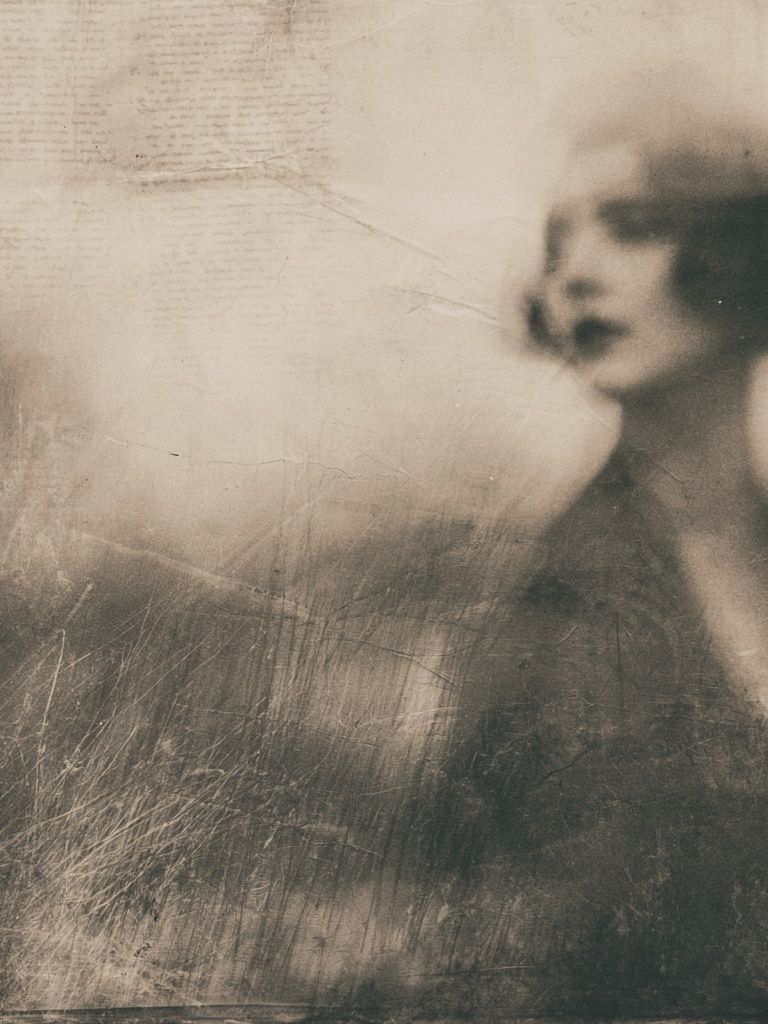
The other reason sepia portraits last is balance. They sit between monochrome and color, which means they rarely dominate a room. A portrait in sepia can hold attention at close range while still reading as calm from 2 to 3 meters away. That is especially useful in open-plan spaces where wall art needs to feel present without breaking the palette.
A well-chosen portrait also adds emotional texture. Compared with landscapes or abstract pieces, portraiture creates a clear focal point through gaze, posture, and facial expression. Pieces from our photography collection and vintage art prints work particularly well when you want the wall to feel curated rather than purely decorative.
Where Sepia Portraits Work Best in the Home
Living rooms are the easiest place to start because sepia works naturally with upholstery in beige, rust, tobacco, olive, charcoal, and cream. Above a sofa 180 to 240 cm wide, one large portrait in 50x70 cm or 70x100 cm creates a clean focal point. If the wall is wider than 250 cm, a pair of vertical works often looks more balanced than one oversized piece.

Hallways benefit from sepia portraits because the palette feels refined in narrow spaces. In a corridor 90 to 120 cm wide, choose slimmer frames and keep artwork around eye level — usually 145 cm from floor to center. Portrait-oriented prints suit hallways better than wide horizontal pieces because they echo the vertical lines of doors, mirrors, and wall sconces.
Bedrooms are another strong fit, especially if you want the room to feel soft rather than graphic. A sepia portrait over a dresser or beside the bed adds warmth without the hard contrast of black frames and bright white mounts. Pieces such as Sepia Ensemble Portrait Print or Portraits of Women — Photography Print can anchor a bedroom with a quieter, more personal tone.
Reading corners and home offices also respond well to portrait art. These are close-view spaces, so expressive detail matters more than scale. In a nook with a chair, lamp, and bookshelf, a 30x40 cm or 40x50 cm portrait can be enough to complete the composition.
Choosing the Right Style, Scale, and Frame
Not all sepia portraits create the same effect. Formal historic portraits feel structured and traditional, while softer photographic studies feel more intimate. If your room already has clean lines and little ornament, choose portraits with atmospheric backgrounds or blurred edges. If your space is rustic or layered, sharper vintage portraiture adds welcome definition.
Scale should match both viewing distance and furniture width. As a rule, wall art above furniture should span about 60% to 75% of the furniture's width. Above a 160 cm console, aim for a composition between 96 and 120 cm across. That could be one 70x100 cm print, two 50x70 cm frames, or a grid of smaller works with 5 to 8 cm spacing.
Frames change the tone quickly. Thin black metal looks crisp and modern. Walnut adds depth and suits sepia particularly well because the frame echoes the print's undertone. Oak feels lighter and more Scandinavian. If you want a more archival look, add an off-white mount around the image — a 5 to 8 cm mat gives smaller prints more presence and stops the wall from feeling too dense.

For rooms that need a stronger statement, a piece like Elegant Woman Portrait — Vintage Print introduces classic portrait structure without feeling heavy. If you prefer a more contemporary photographic direction, Sepia Double Exposure Portrait Print gives the palette a modern edge.
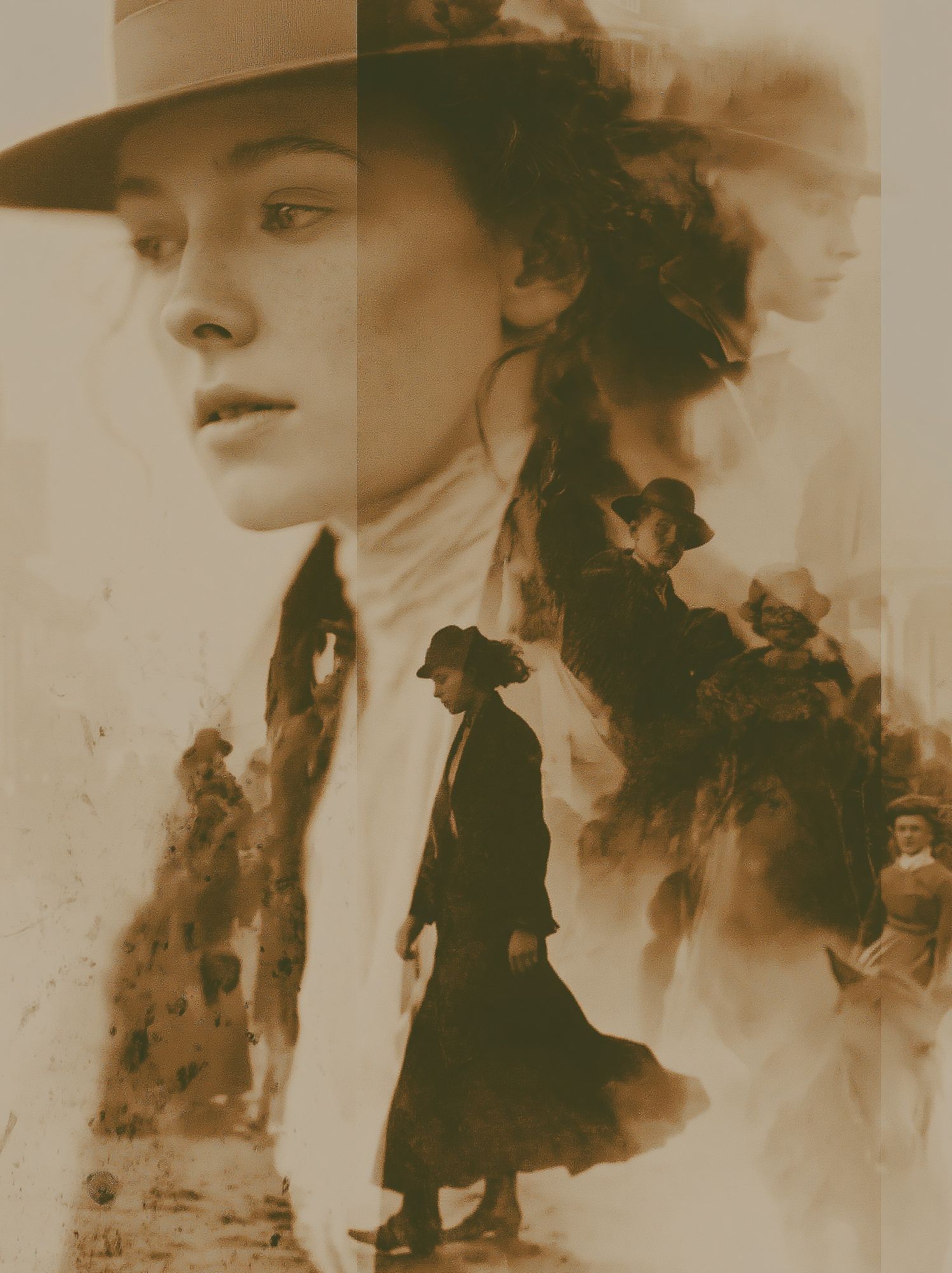
How to Build a Warm Gallery Wall
A gallery wall built around sepia portraits works best when you limit the palette to three families: warm browns, soft black, and muted cream. That keeps the arrangement cohesive even when subjects vary. One useful formula is 70% portrait-based art, 20% texture or pattern, and 10% contrast pieces. That contrast might be a pale landscape, a graphic line work piece, or an aged decorative print.
The easiest arrangement is a loose grid. Start with your largest piece slightly off-center, then build outward with smaller works. Keep spacing consistent at 5 to 7 cm for a tidy look, or 7 to 10 cm for a more relaxed, collected wall. If your frames vary in size, align either the top edges or the vertical center line so the composition still feels intentional.
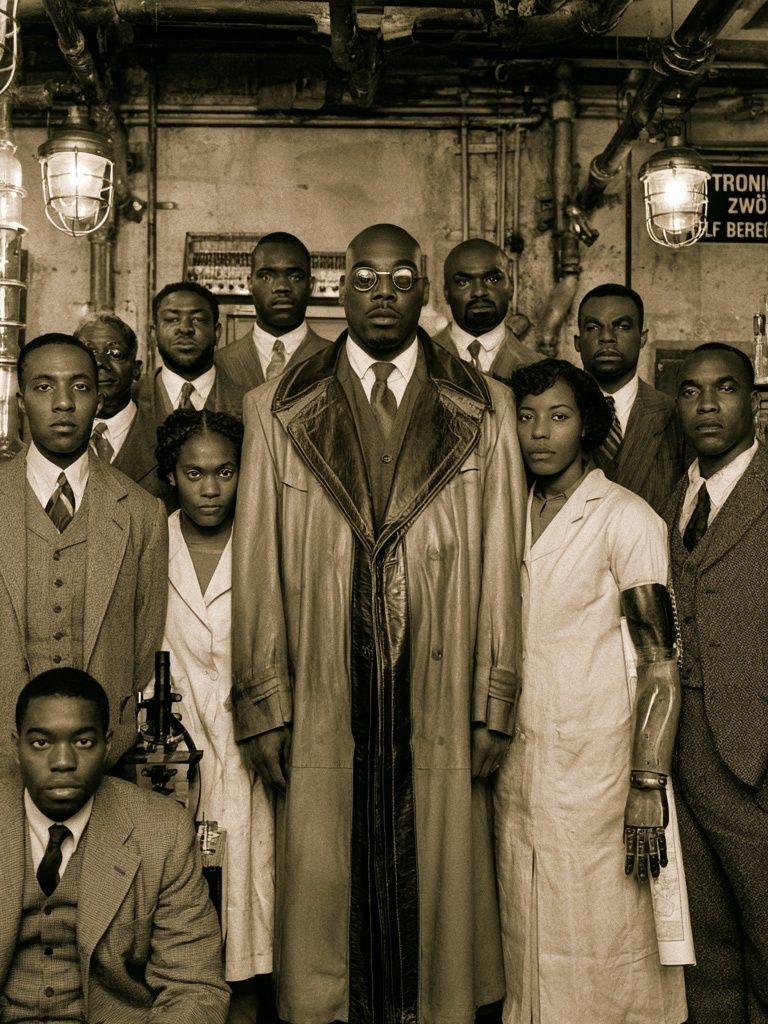

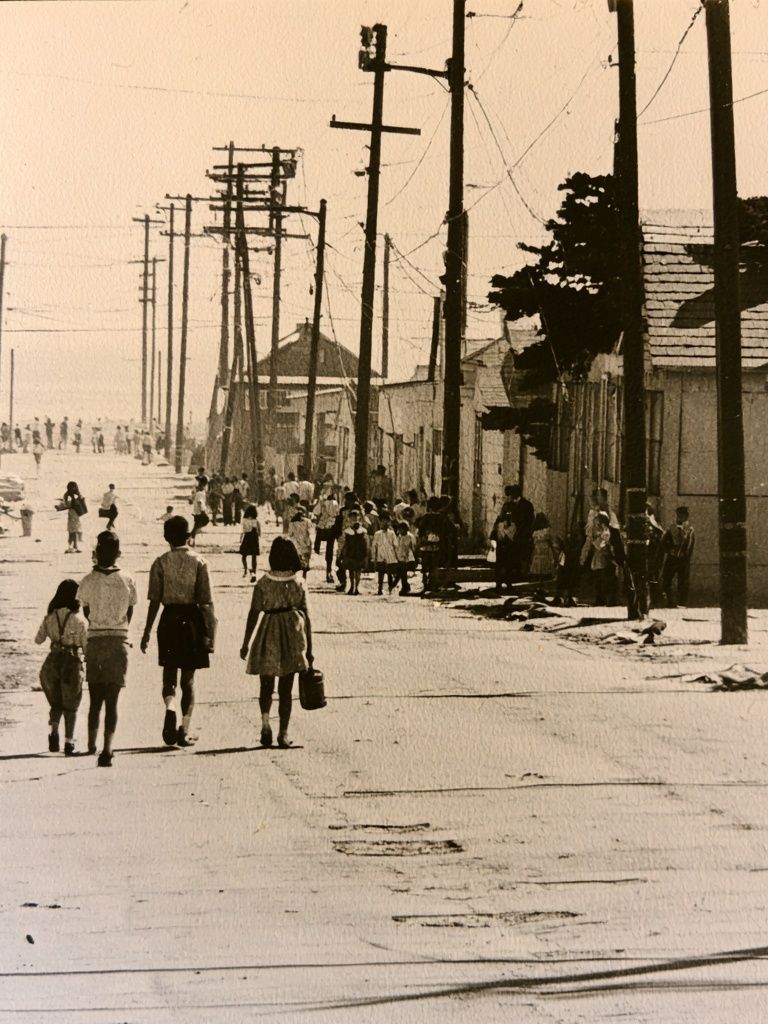
Mixing subjects makes the wall more believable. Pair portraits with one decorative texture such as Antique Sepia Damask Texture or with an environmental photograph like Sepia Street Scene Photography Poster. That combination stops the arrangement from feeling repetitive and gives the eye places to rest between faces.
If the wall is above a sofa or sideboard, hang the lowest frame 15 to 25 cm above the furniture. If the arrangement fills a stair wall, let the midpoint follow the angle of the staircase rather than forcing a rigid rectangle. In both cases, repeated frame finishes — all black, all walnut, or a controlled mix of two — matter more than matching every image exactly.
Pairing Sepia Portraits with Modern Interiors
Minimalist interiors benefit from sepia because it introduces warmth without clutter. In a room with white walls, pale oak, and few decorative objects, one sepia portrait can soften the whole composition. Look to our minimalist collection for supporting pieces that do not compete with the portrait's tonal depth.
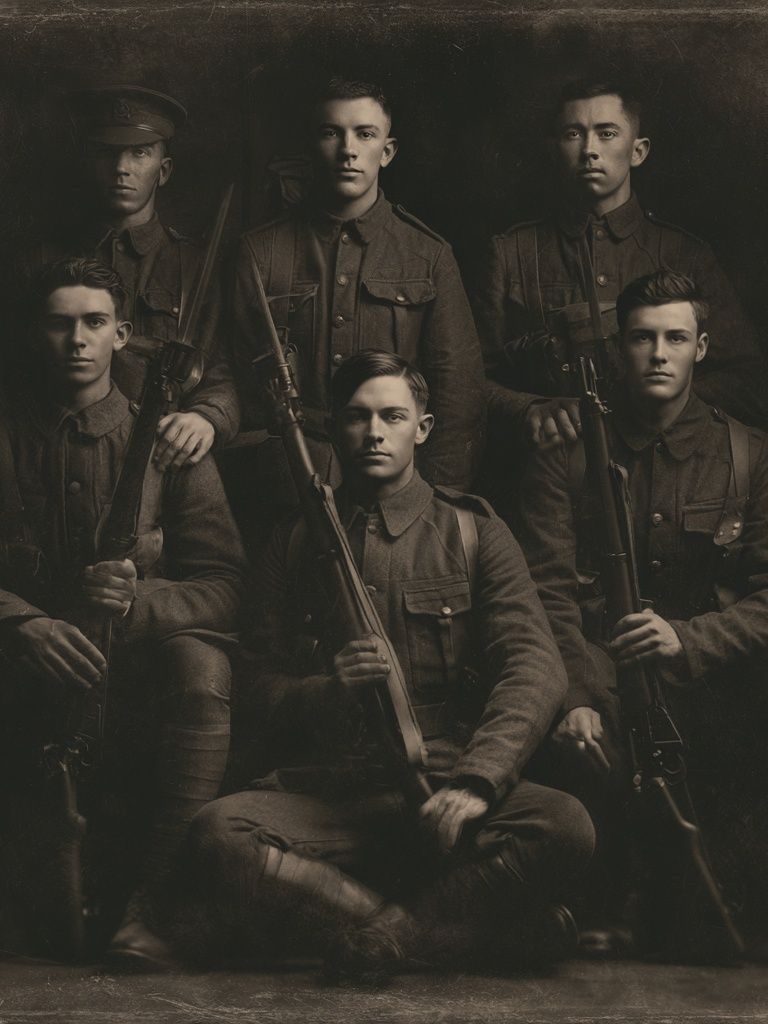
Rustic spaces already contain natural warmth, so sepia portraits feel immediate there. Reclaimed wood, linen curtains, stoneware, and aged leather all echo the same earthy spectrum. A portrait with visible grain or antique character, such as WWI Soldiers Portrait Print, can make the room feel more layered and historically grounded.

Industrial rooms can be harder because concrete, steel, and black accents often read cool. Sepia helps correct that. Add one or two portrait pieces in medium-to-dark wood frames, and the room feels less severe. In these spaces, a stronger photographic image from vintage-inspired photography prints usually performs better than something overly ornate.
Vintage-inspired interiors are the most obvious match, but even here restraint matters. Instead of filling every wall with period imagery, use sepia portraits as anchor pieces and keep surrounding decor simpler. That gives the room a collected look rather than a theme-room effect.
Shop Tips for a Curated, Collected Look
Start with one portrait you would keep even if the rest of the wall changed. That first piece sets the emotional tone, and every later addition should support it in subject, contrast, or warmth. If you are unsure where to begin, choose a portrait with a clear focal face, mid-range contrast, and enough negative space around the subject to sit comfortably in modern rooms.
Then build with discipline. Keep to one frame finish, or two at most. Repeat one undertone across the room — walnut wood, brass, tan leather, or cream textiles — so the artwork feels connected to the furniture. If you are combining categories, pull from fine art prints or vintage portrait designs only when the tone matches the quiet warmth of your main piece.

A good collected wall does not need perfect matching, but it does need consistency. Look for related value levels — soft mid-browns, faded blacks, muted highlights — rather than identical imagery. That is what makes sepia portraits feel edited and intentional instead of accidental.

Final thoughts
Sepia portraits work because they solve two common decorating problems at once: they add personality, and they keep the room warm. They are easier to integrate than bright color art, yet richer and more atmospheric than strict black-and-white.
Choose the right scale, repeat warm materials, and keep the framing controlled. Done well, sepia portraits make a wall feel lived-in, thoughtful, and quietly distinctive.
Frequently Asked Questions
What frame color works best with sepia portraits?
Walnut is the safest choice because it repeats the warm undertone of the image. Black works well in more modern rooms, while oak keeps the look lighter and softer.
Should I use glass or acrylic for larger portrait prints?
Acrylic is often better for 70x100 cm and above because it is lighter and easier to hang securely. It is also practical in hallways, kids' rooms, or high-traffic spaces.
Do sepia portraits work on dark walls?
Yes — especially on olive, charcoal, deep taupe, or muted navy. Use a lighter mat or a medium wood frame so the image does not disappear into the wall color.
Can I mix sepia portraits with black-and-white photography?
Yes, but keep sepia dominant if you want a warm overall look. A good ratio is about 2 sepia pieces for every 1 black-and-white piece.