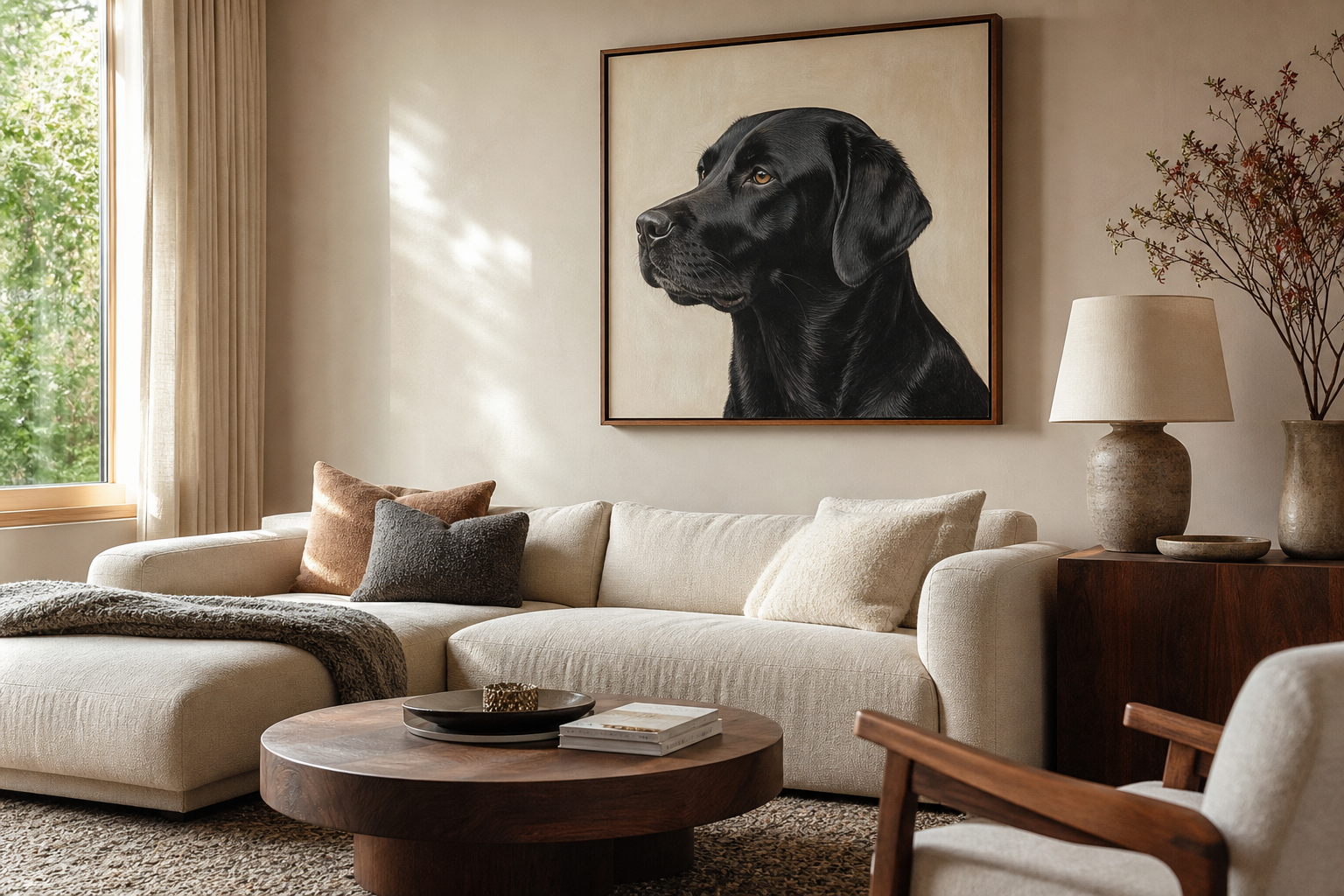
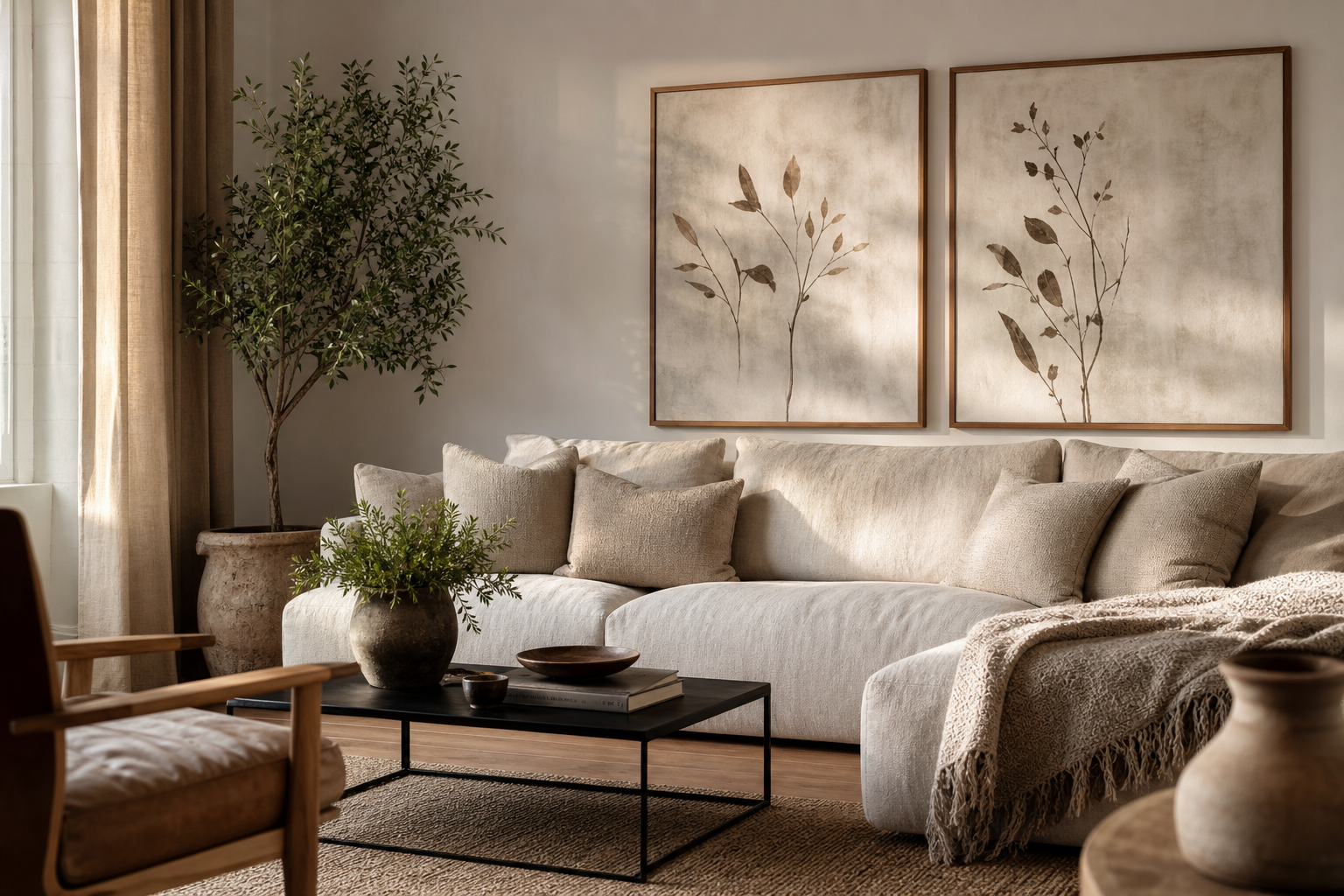
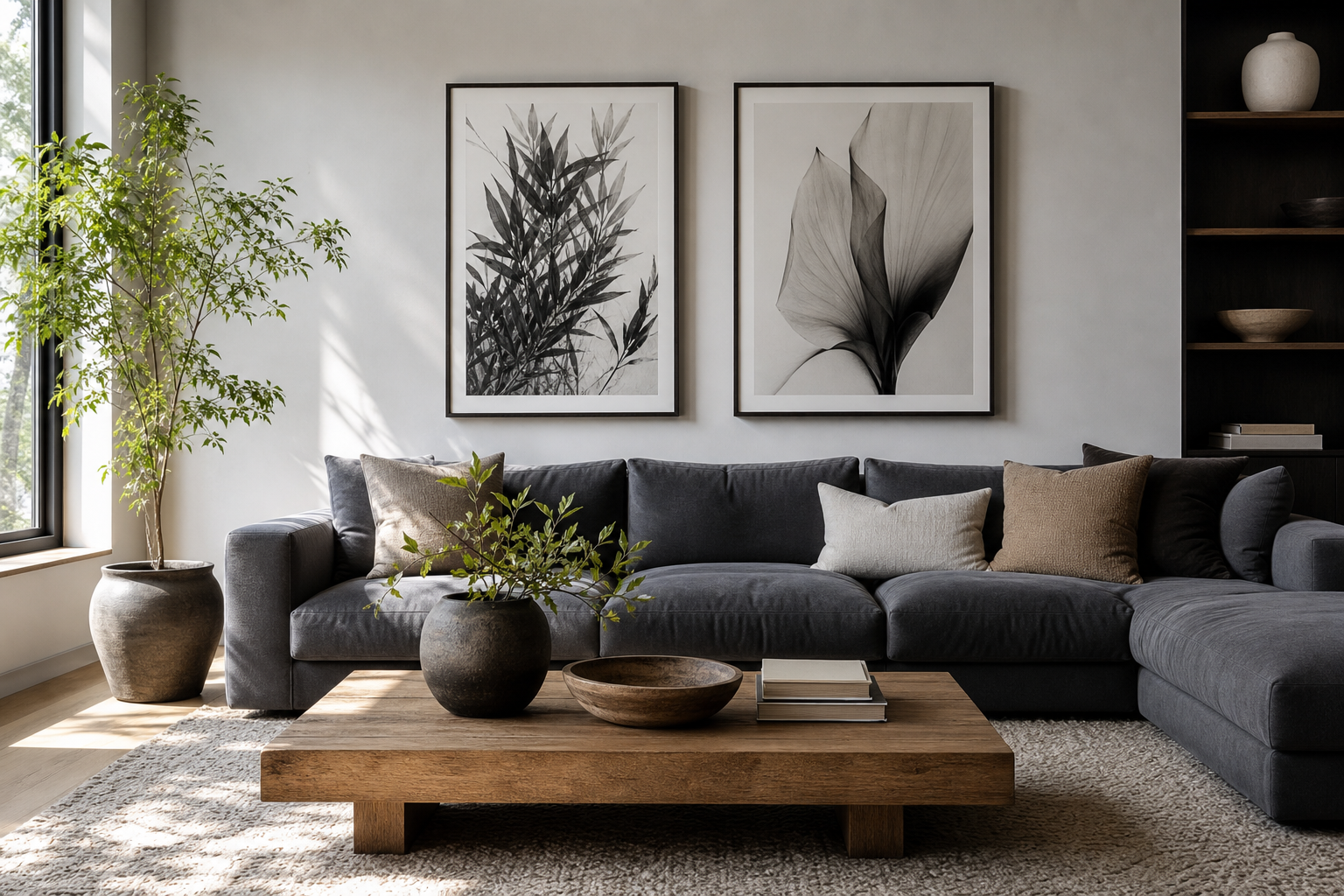
A black sheep portrait adds two things at once: a strong focal point and a slightly offbeat sense of character. In practical terms, that makes it easier to style than many softer animal subjects. The dark silhouette stands out against pale walls, while the rural theme keeps the room from feeling too sharp or formal.
Why a Black Sheep Portrait Works So Well
A black sheep portrait works because it balances contrast with familiarity. Most interiors already rely on light neutrals — off-white, sand, stone, warm gray — so a darker animal subject can create visual definition without needing bright color. If your room feels flat, one piece with 60 to 80 percent dark value can anchor the whole wall.
The subject also carries a mix of meanings that suit real homes. Sheep imagery feels calm, pastoral, and approachable, but the "black sheep" angle introduces individuality. That makes the artwork especially useful in spaces that need personality without clutter, such as a pared-back living room, a quiet hallway, or a home office with simple furniture.
If you like natural subject matter but want something less expected than florals or landscapes, animal art is a smart direction. A curated animals wall art collection gives you that grounded, organic feel, while a black sheep portrait adds more edge than softer wildlife themes.
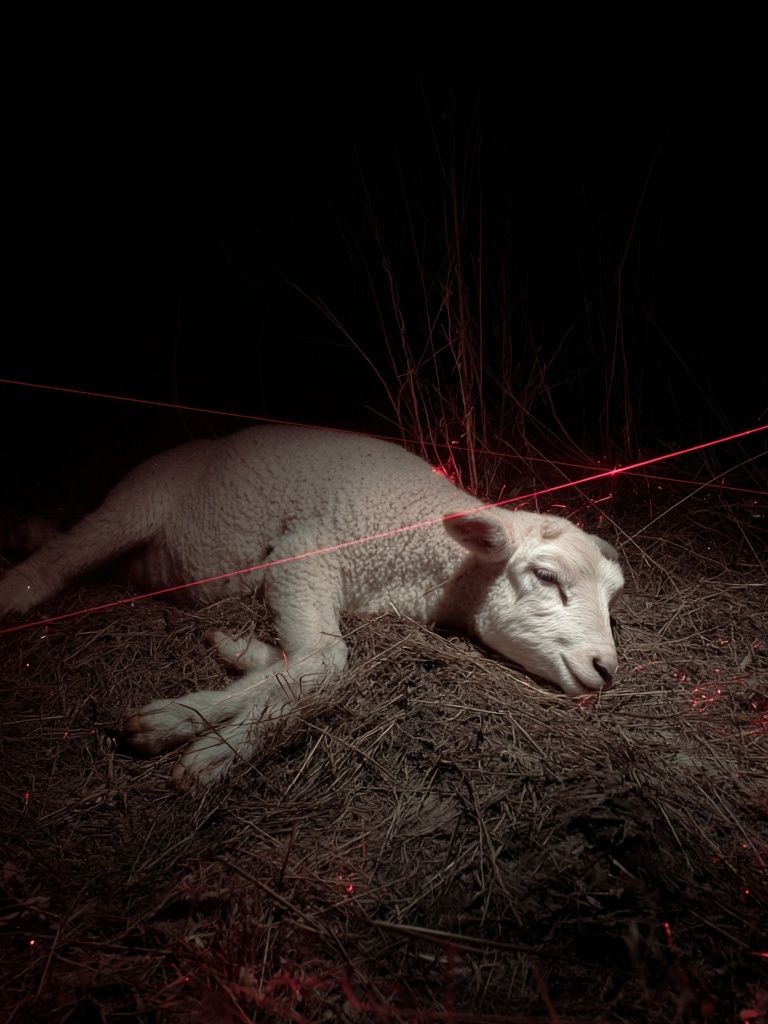
Photography tends to make the subject feel honest and tactile. You notice the wool texture, the darker contours of the face, and the softness of the background. That realism works well in modern rustic rooms, especially alongside oak, walnut, boucle, linen, and matte black details.
Choosing the Right Style for Your Space
The style of the piece changes the mood more than the subject itself. A photographic black sheep portrait feels calm, earthy, and current. An antique sheep study feels more collected and heritage-driven. A graphic or minimalist interpretation feels sharper and more architectural.
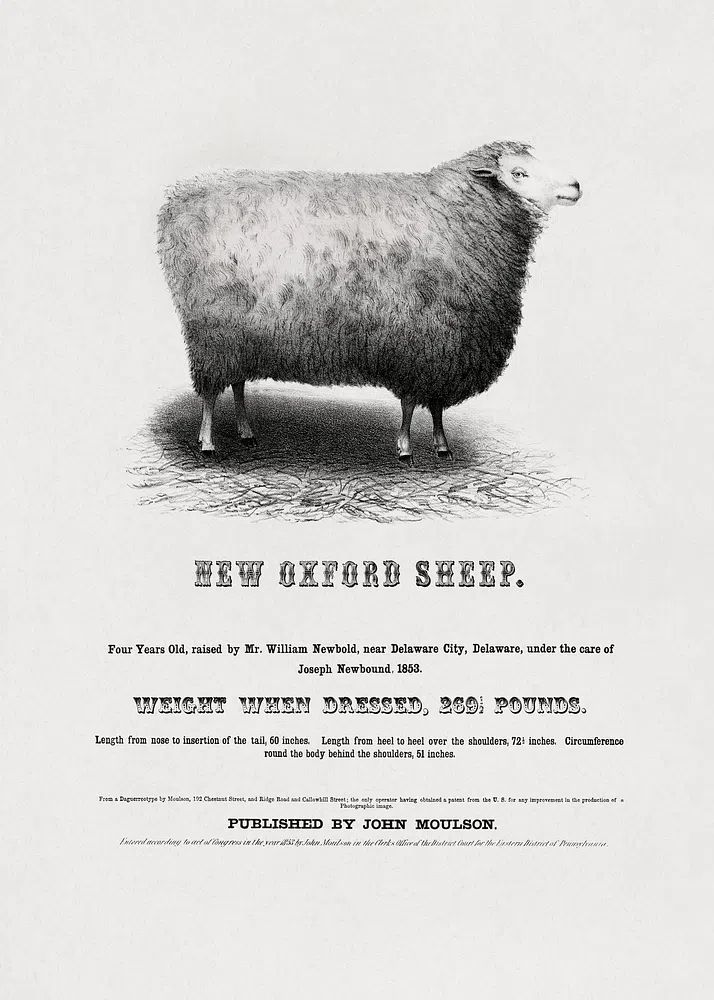
For traditional or farmhouse-leaning rooms, vintage livestock imagery works particularly well because it echoes old field guides and rural portraiture. A piece like New Oxford Sheep (1853) John brings historical detail and muted tones, which suit shaker cabinetry, aged brass, and painted wood furniture.
If your home is more modern, keep the sheep subject but simplify everything around it. Pair it with minimalist art prints or clean monochrome pieces rather than busy gallery walls. Even one restrained black-and-white work from the photography wall art selection can make the room feel deliberate instead of themed.
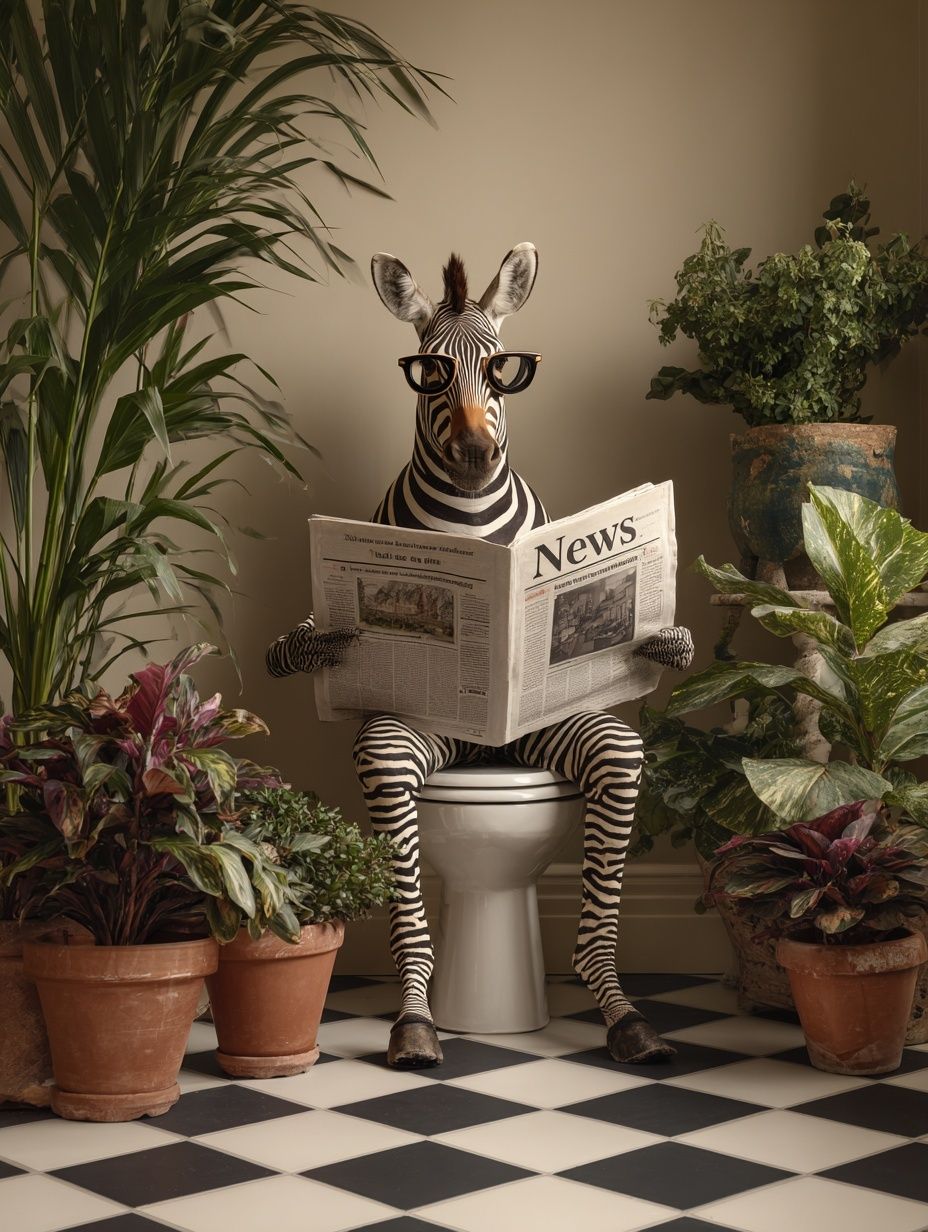
A playful take can work too, but only in the right room. If you are styling a family kitchen, mudroom, or informal workspace, a quirky animal piece can support the black sheep idea without becoming literal. The key is to keep the palette controlled — black, cream, olive, tobacco, and soft gray will feel more elevated than multiple bright accents.

Best Rooms and Placement Ideas
A black sheep portrait is most effective where people can read the expression and texture from a normal viewing distance. For a 50x70 cm print, that usually means standing or seating areas where you are 1.5 to 2.5 meters away. Too far, and the subtle detail gets lost.
Living rooms are the most natural fit. Hang the piece centered above a sofa, sideboard, or reading chair, keeping 15 to 25 cm between the furniture and the bottom of the frame. If the sofa is 200 cm wide, aim for artwork or a grouped arrangement that spans roughly 120 to 140 cm — around two-thirds of the width looks balanced.

Hallways also suit this subject well because the contrast reads quickly. In a narrow corridor, use one vertical piece around 40x50 cm or 50x70 cm rather than several small frames. That gives the eye a clear stop and keeps the space from feeling visually chopped up.
Bedrooms benefit from the calm, pastoral mood. Above a chest of drawers or opposite the bed, a black sheep portrait brings enough visual weight without the intensity of very graphic abstract art. If you already have soft bedding in flax, ivory, or mushroom, the dark animal form will add needed depth.
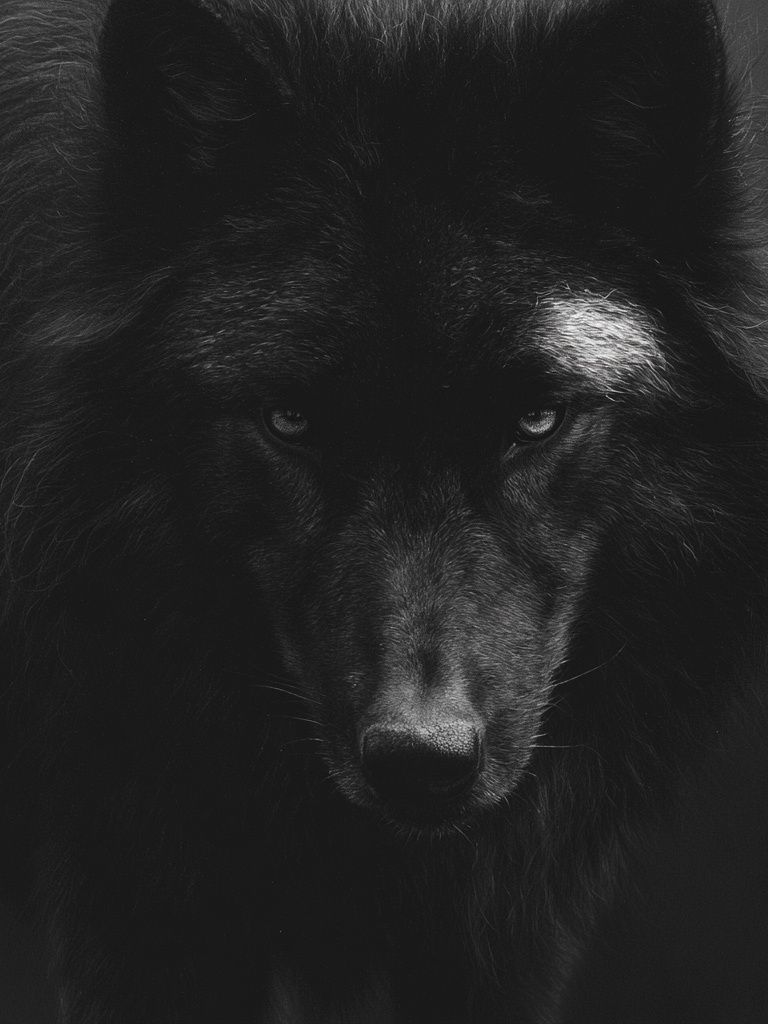
Kitchens and home offices can handle a more characterful version. In a kitchen, place the art near a breakfast nook or open shelf wall, away from direct splashes and steam. In an office, the subject works well behind a desk because it feels distinctive and slightly independent — a subtle fit for a work-focused room. If you want to broaden the animal theme, pieces from Black Wolf Portrait Print or other black-and-white animal portraits can pair well in adjacent spaces without repeating the same motif.
Frame, Size, and Wall Color Tips
The easiest way to make a black sheep portrait look expensive is to get the scale right. Small art on a large wall almost always feels accidental. For a compact wall section, choose 30x40 cm. For most standard living room placements, 50x70 cm is the reliable middle ground. For a statement look above a large sofa or bed, go to 70x100 cm.
Frame choice should follow the room's hardware and furniture lines. Black frames feel crisp and modern, especially on white, pale gray, or greige walls. Natural oak frames soften the contrast and connect the subject to wooden floors and furniture. White frames are less effective unless the artwork itself has a strong dark border or plenty of negative space.
Wall color matters more with dark-subject art than with light botanical pieces. On bright white walls, the sheep will look sharper and more graphic. On warm beige or taupe, it will feel quieter and more integrated. Green-gray, clay, and muted mushroom tones also work well because they echo countryside palettes without becoming overly rustic.

If you are building a small arrangement, keep spacing tight — around 5 to 8 cm between frames. Mix one dominant sheep piece with quieter supporting works rather than several equally dark images. A clean option is to pair it with a minimal black-accent print or something abstract from the fine art print collection to break up the animal theme.
How to Build a Cohesive Look Around It
A black sheep portrait looks best when the room repeats its visual cues in subtle ways. Start with texture: wool throws, nubby upholstery, woven baskets, unfinished wood, and ceramic surfaces all echo the natural quality of the subject. This works better than obvious farm decor because the connection feels material rather than literal.
Color should stay grounded. Build from cream, oatmeal, charcoal, peat brown, olive, and weathered wood tones. In a room with that palette, the artwork feels integrated immediately. If you want more contrast, add one accent in rust, deep forest, or muted aubergine — enough to enrich the scheme, not compete with it.

Other animal pieces can work, but only if they share the same tone. Stay within one visual language: monochrome photography, vintage natural history, or simplified illustration. For example, a moody piece from black-and-white wildlife art can support the same atmosphere, while something overly colorful may pull the room in a different direction.
Typography can also be useful if the room needs levity. A print like Happy Black Sheep Typography Poster fits a relaxed hallway, playroom, or kitchen corner. Use that approach sparingly, though — one witty note beside one serious portrait is enough.

Wrapping Up: Finding the Right Black Sheep Portrait
The right black sheep portrait should match the room's temperament first, and your theme second. If the space is calm and tailored, choose a photographic or vintage piece with restrained tones. If the room is more informal, a playful or graphic interpretation can work just as well. In both cases, size and placement will matter more than trying to over-coordinate every accessory.
A black sheep portrait earns its place when it gives the wall contrast, gives the room character, and still feels easy to live with every day. Keep the palette natural, choose a frame that echoes your finishes, and let the artwork be the distinctive note in an otherwise balanced interior.
Frequently Asked Questions
What frame glazing works best for a black sheep portrait?
Anti-glare acrylic or glass is a strong choice if the piece hangs opposite a window. It reduces reflections and keeps darker details visible from more angles.
Can I hang a black sheep portrait on a dark wall?
Yes — but choose a piece with enough tonal separation around the animal, and use a lighter mat or natural oak frame so the edges do not disappear.
What size should I choose for a narrow hallway?
For most hallways, 40x50 cm or 50x70 cm works well as a single focal piece. Go vertical if the wall section is tight and ceiling height is limited.
Does sheep artwork suit Scandinavian interiors?
Very well, especially in photographic or vintage styles. Pair it with pale wood, off-white walls, and simple textiles to keep the look clean.
What other finishes help this style feel cohesive?
Look for matte black metal, aged brass, limewash or chalky paint, oak, walnut, and woven natural fibers. These materials support the contrast without making the room feel heavy.