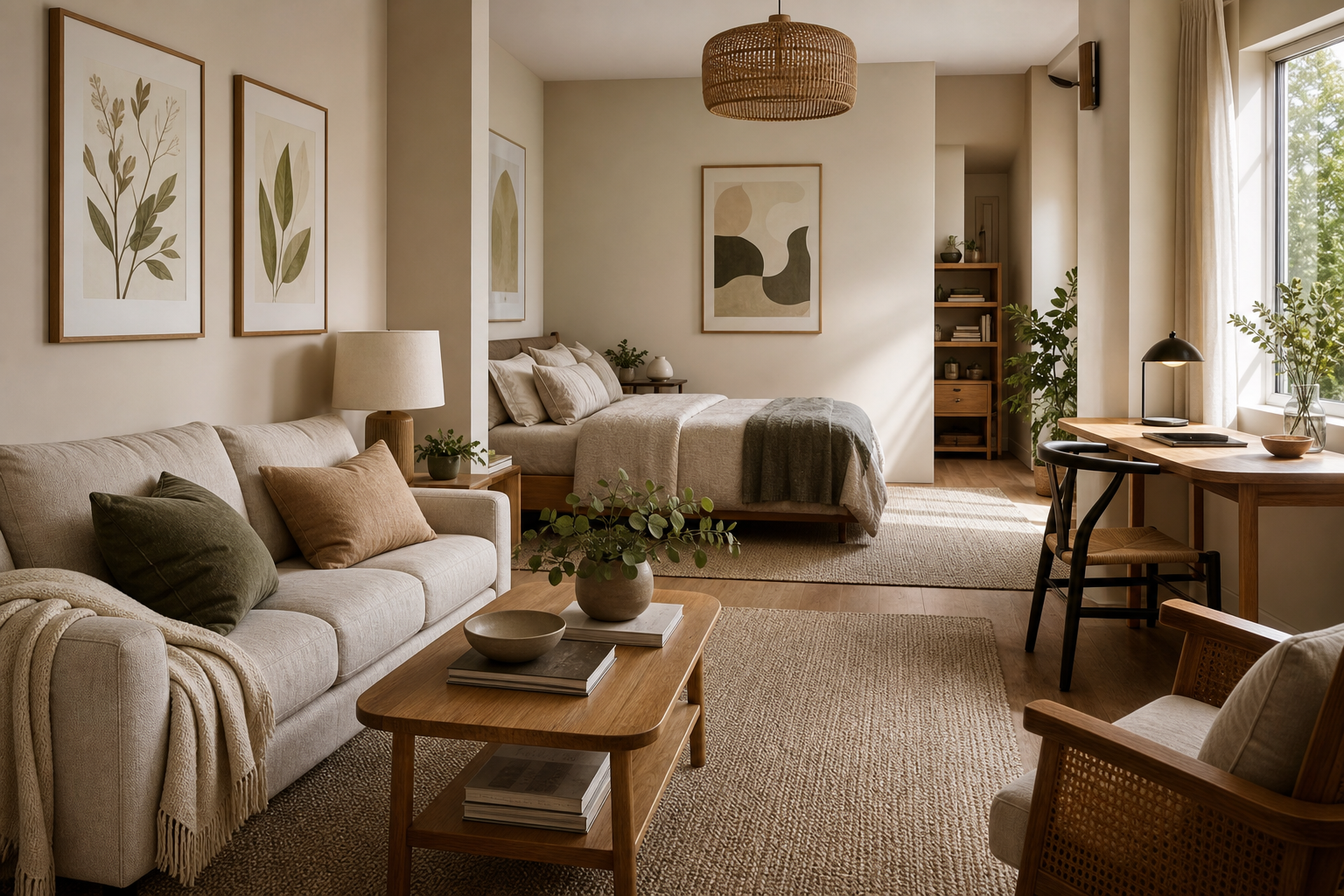
A strong wide-eyed amphibians cartoonist wall starts with character, not symmetry. This style works because it mixes innocence with mischief: oversized eyes suggest curiosity, while odd proportions, crooked smiles, and springy limbs add comic tension. The result is art that feels lighter than realism and smarter than generic "cute" decor.
What makes wide-eyed amphibians cartoonist art so appealing?
The best wide-eyed amphibians cartoonist pieces feel slightly offbeat in a good way. Frogs, toads, and salamander-like characters already have unusual silhouettes — long limbs, rounded heads, squat bodies — so they translate naturally into illustration. When an artist exaggerates those features, the work gains instant personality without needing heavy detail.
That playful imbalance is what makes these prints stand out in a modern collection. A room full of polished abstracts can feel flat after a while; one comic-led animal piece changes the rhythm. In practical terms, a single character print can act as the "pause" inside a gallery wall of cleaner forms, especially when paired with pieces from our illustration collection or more light-hearted work in the funny wall art range.
The visual language: big eyes, bold lines, and comic energy
Wide-eyed amphibian art relies on three visual tools: eye scale, contour weight, and controlled colour. Eyes often take up 20% to 35% of the face area, which creates instant emotional readability from 2 to 3 metres away. Thick outlines keep the figure legible on a wall, especially in smaller sizes like 30 x 40 cm.
The second key is contrast between cute and strange. A rounded face can sit next to spiky fingers, a cheerful grin next to swampy greens, or a childlike pose next to deadpan humour. That friction gives the work energy. If you like that balance, pieces in our kids illustration selection and comics category can help build a broader wall without losing the cartoon edge.

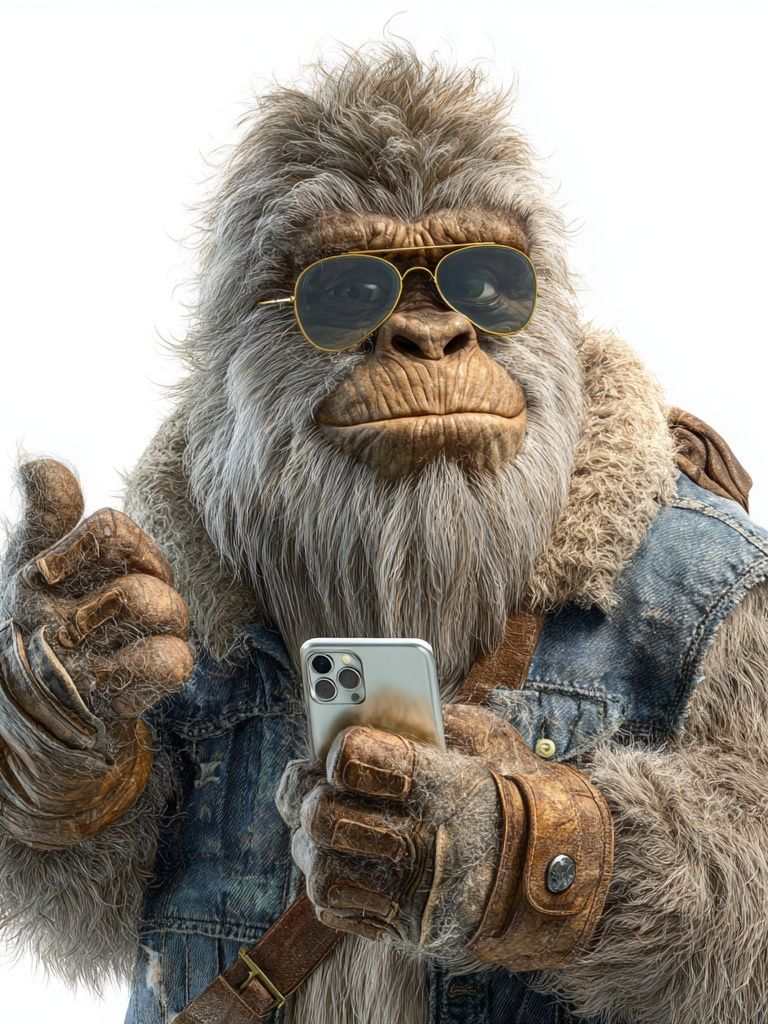
For rooms that need a punch of humour, look for artwork with clear shapes and a limited palette of 3 to 5 dominant colours. That keeps the wall energetic rather than chaotic. A good example is Cool Yeti with Phone — it uses a strong character silhouette and comic expression, which is exactly the kind of visual confidence that also suits amphibian-led cartoon styling.
Where this style works best in the home
This style performs best in rooms that benefit from wit and movement. A narrow hallway is a strong candidate because viewers experience the art in quick passes; expressive faces and bold outlines read instantly. Use one medium print at 50 x 70 cm, or a vertical trio of 30 x 40 cm frames with 7 to 10 cm spacing between each.
Home offices and studio corners are another smart placement. Cartoon-led animal art loosens the mood of a task-heavy space filled with screens, shelves, and straight edges. A single playful piece above a desk can stop the room from feeling too serious, particularly next to warmer woods, painted metal, and textured textiles.
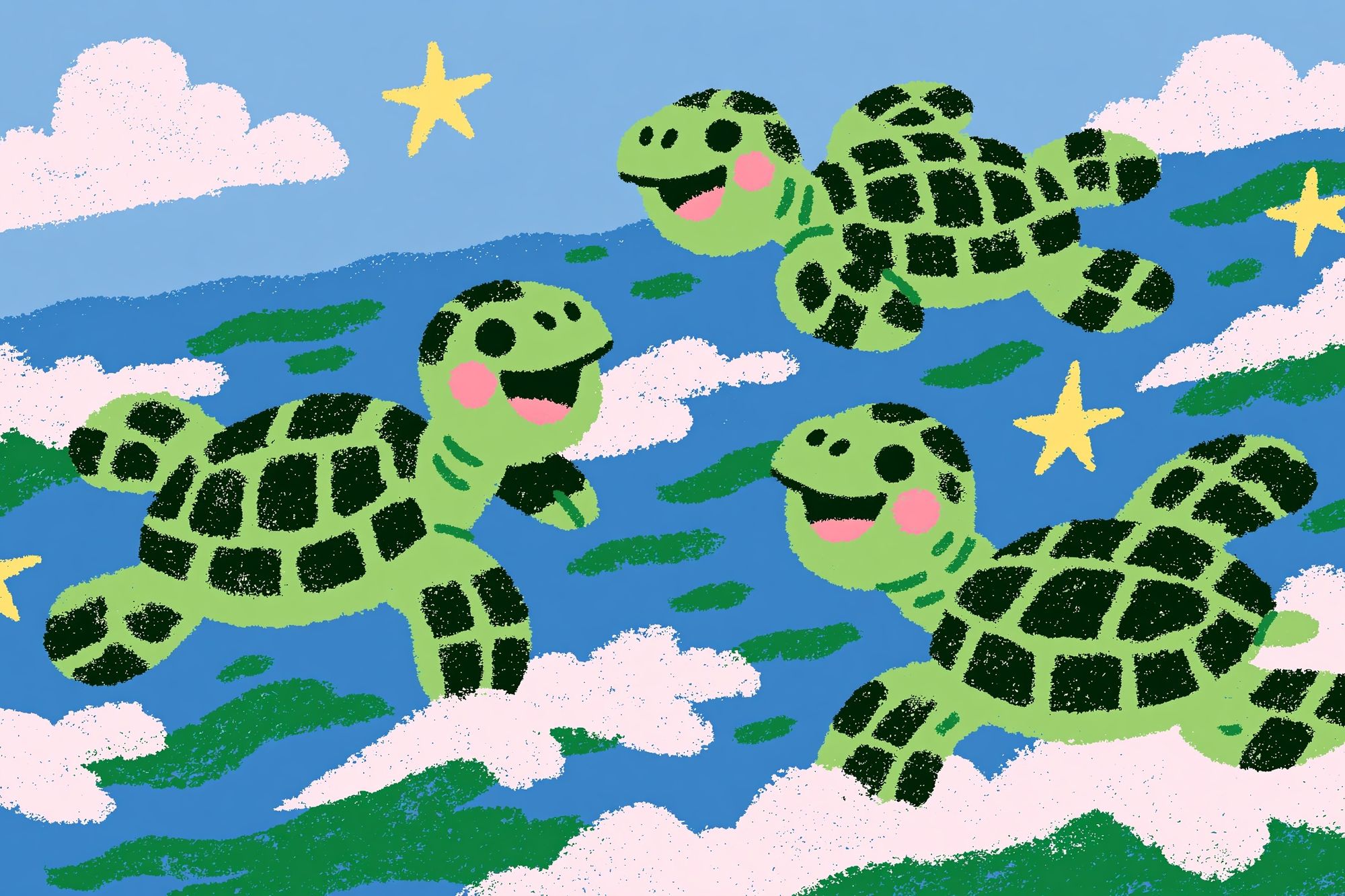
Kids' rooms are an obvious fit, but the style also works in adult spaces when the palette is controlled. Try a reading corner with one feature chair, one floor lamp, and two framed illustrations stacked salon-style. If you want softer companion pieces, Playful Turtles in the Sky and Boy with Bunny and Turtle both sit comfortably beside amphibian-inspired cartoon art because they keep the same sense of character and narrative.

How to pair amphibian cartoons with other wall art
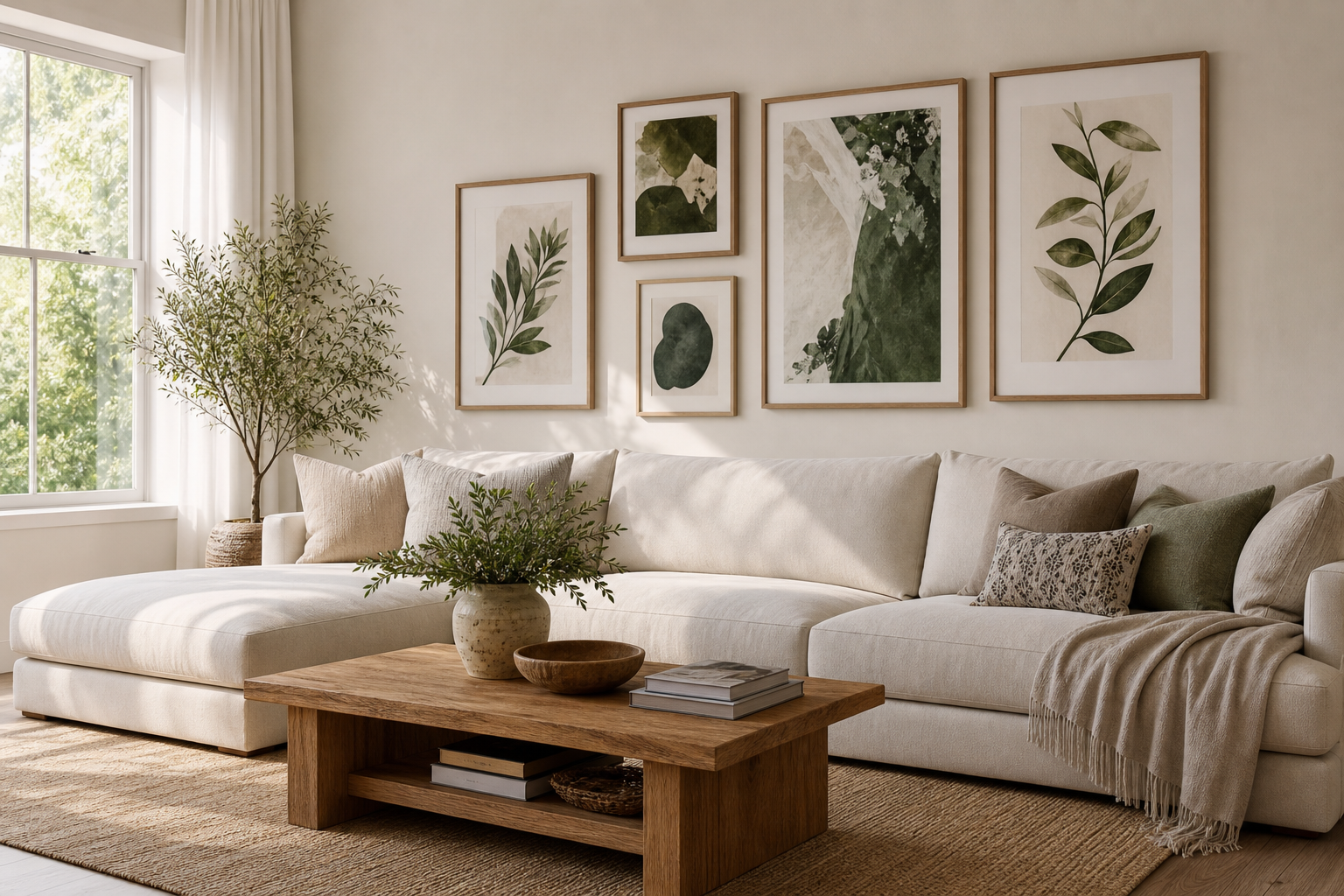
The easiest way to style amphibian cartoons is the 60/30/10 method. Let 60% of the wall be simple supporting art — line drawings, quiet nature studies, or gentle colour fields. Use 30% for secondary character prints. Reserve 10% for the boldest, funniest piece. That ratio stops a whimsical wall from becoming visually noisy.
A useful pairing is cartoon character art plus one or two nature-led prints from the animal art collection. The natural subject matter echoes the amphibian theme, while the shift in style gives the arrangement depth. You can also mix in vintage comic references, but keep the frame finish consistent so the wall looks edited rather than accidental.
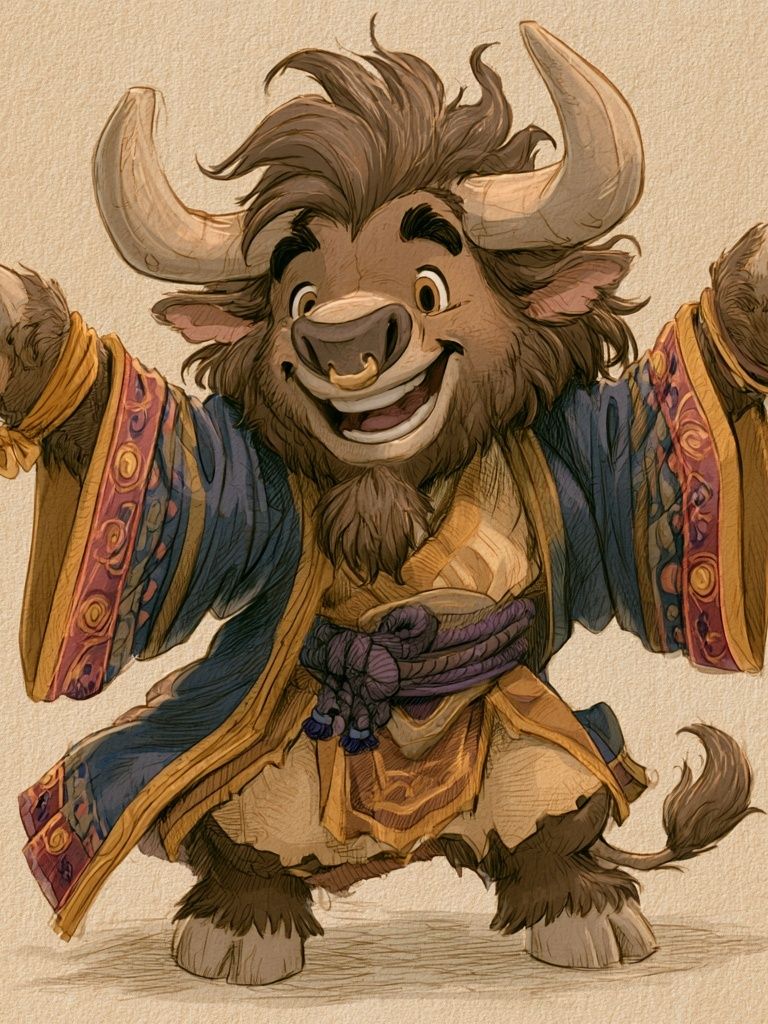
When you want a companion print with a similarly expressive face, Smiling Yak Character is a useful reference point. Its cheerful animal portrait works well beside any wide-eyed amphibians cartoonist piece because both rely on immediate expression instead of intricate background detail.
Framing, sizing, and placement tips
For this style, black, white, or natural oak frames usually work best. Black sharpens comic line work. Oak warms up greener palettes and makes the display feel more interior-led than novelty-led. White is safest if the room already has strong colour on rugs, upholstery, or painted joinery.
Size matters more than many buyers expect. A small 21 x 30 cm print can disappear unless viewed at close range, so use it only on shelves or in dense gallery clusters. For standard wall hanging, 30 x 40 cm is the practical minimum. One hero piece at 50 x 70 cm above a desk, bench, or sideboard gives enough visual authority to anchor the wall on its own.
Placement should follow furniture width. Aim for artwork that covers roughly 60% to 75% of the width of the furniture below it. If your console is 120 cm wide, a combined art width of 72 to 90 cm will usually feel balanced. Hang the centre of the arrangement around 145 cm from the floor, then adjust by 5 to 8 cm if the room has unusually high ceilings.
Using colour and mood to shape the display
Colour decides whether amphibian cartoon art feels childlike, eccentric, or surprisingly refined. Bright acid greens, yellows, and turquoise push the display toward comic energy. Muted olive, moss, rust, and cream make the same subject feel more collected and interior-friendly.
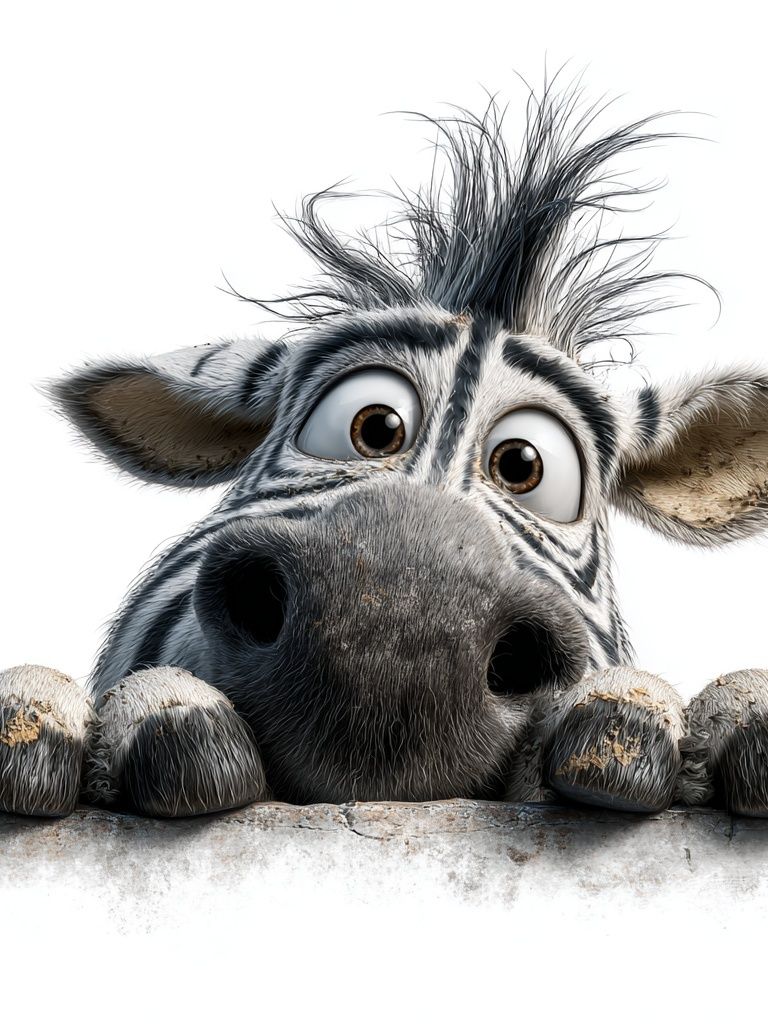
That is why it helps to borrow one or two supporting colours from the room. If your sofa has olive undertones, repeat that shade in the artwork. If the space is mostly neutral, use one saturated accent print to create a focal point, then calm it with softer neighbours. Character-based pieces like Curious Zebra show how a simple illustrated figure can stay playful without overwhelming a room.

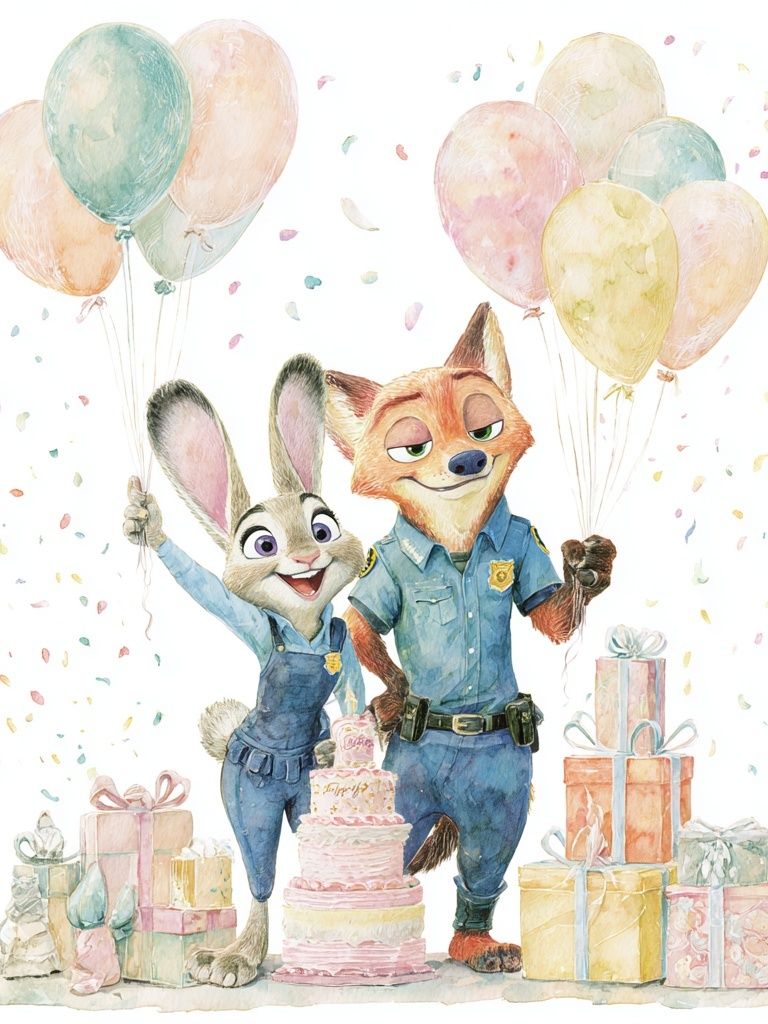
If you prefer a more surreal, less nursery-like look, keep the wall background neutral and let the art carry the colour. One cheerful secondary piece can also help bridge stronger amphibian artwork with other illustrated subjects. Zootopia Celebration is effective in that role because it brings motion and lively colour without turning the wall into visual clutter.
Wrap-up: choosing the right poster for your space
A successful wide-eyed amphibians cartoonist wall feels curated when the character work has room to breathe. Start with one lead print, choose 1 to 3 supporting pieces with related line quality or humour, and keep spacing consistent — usually 6 to 10 cm between frames. That gives the display rhythm without making it rigid.
If the room is small, choose one bold piece and let it carry the joke. If the room is larger, build a mixed arrangement with animal, comic, and illustration-based companions from our illustrated art prints and animal-themed wall art. The goal is not to make the wall louder; it is to give the personality of the artwork a clear place to land.
Frequently Asked Questions
What frame finish works best with playful amphibian cartoon art?
Natural oak is the easiest all-round option because it softens bright colours. Black works well when the artwork has strong outlines and you want a sharper graphic look.
Can I hang this style in an adult living room without it feeling childish?
Yes — keep the palette tighter and pair it with quieter art or neutral furniture. Moss, cream, charcoal, and walnut tones make character-led work feel more grown-up.
Should I use glass or acrylic for these prints?
Acrylic is lighter and useful for larger sizes like 50 x 70 cm, especially in kids' rooms or busy hallways. Glass gives a slightly crisper finish but adds more weight.
How much space should I leave between frames in a gallery wall?
Use 6 to 8 cm for compact walls and up to 10 cm for larger arrangements. Consistent spacing looks more deliberate than equal outer margins.
What other subjects pair well with amphibian cartoon pieces?
Birds, turtles, comic scenes, and expressive animal portraits work especially well. They keep the playful tone while varying shape and colour.