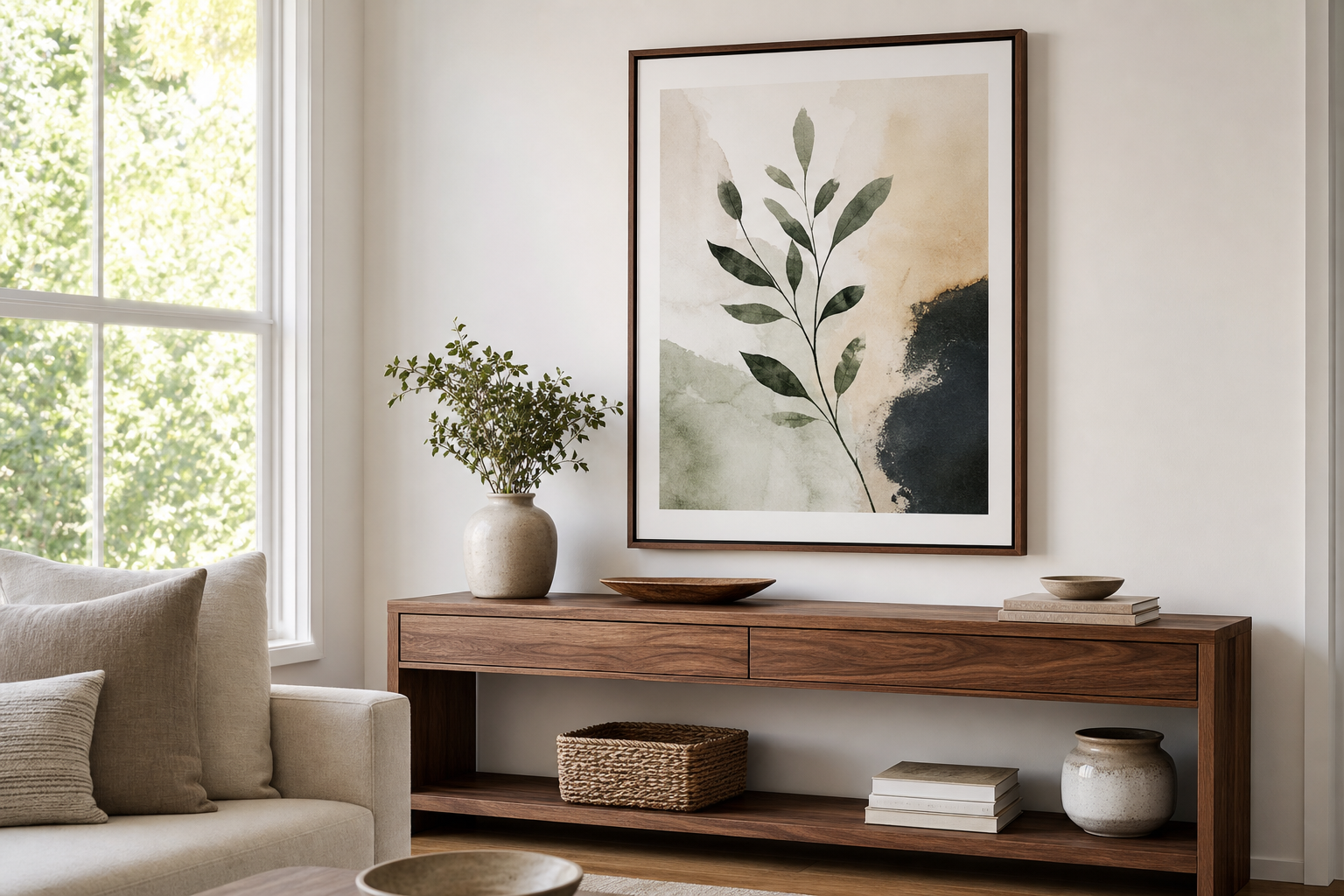
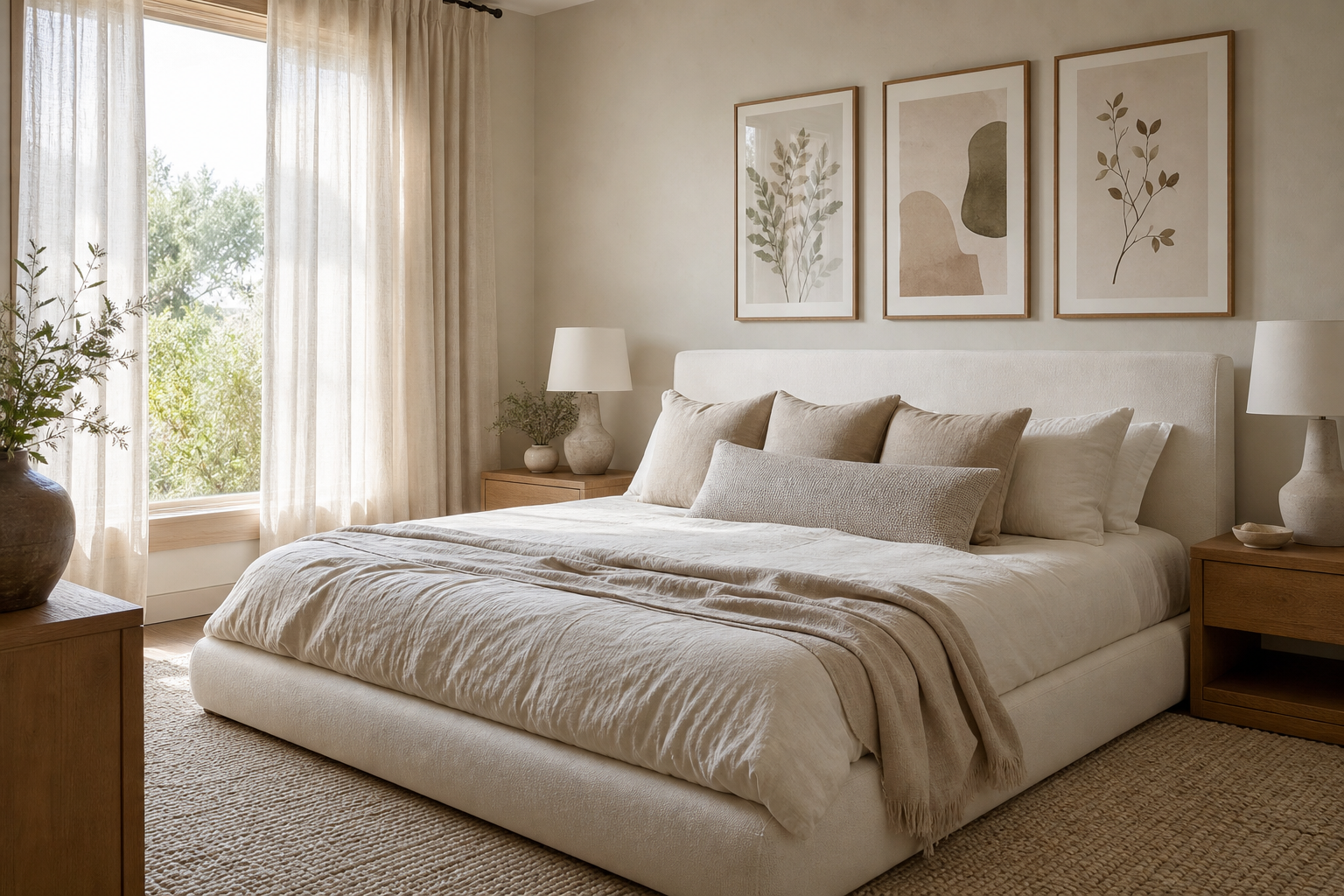
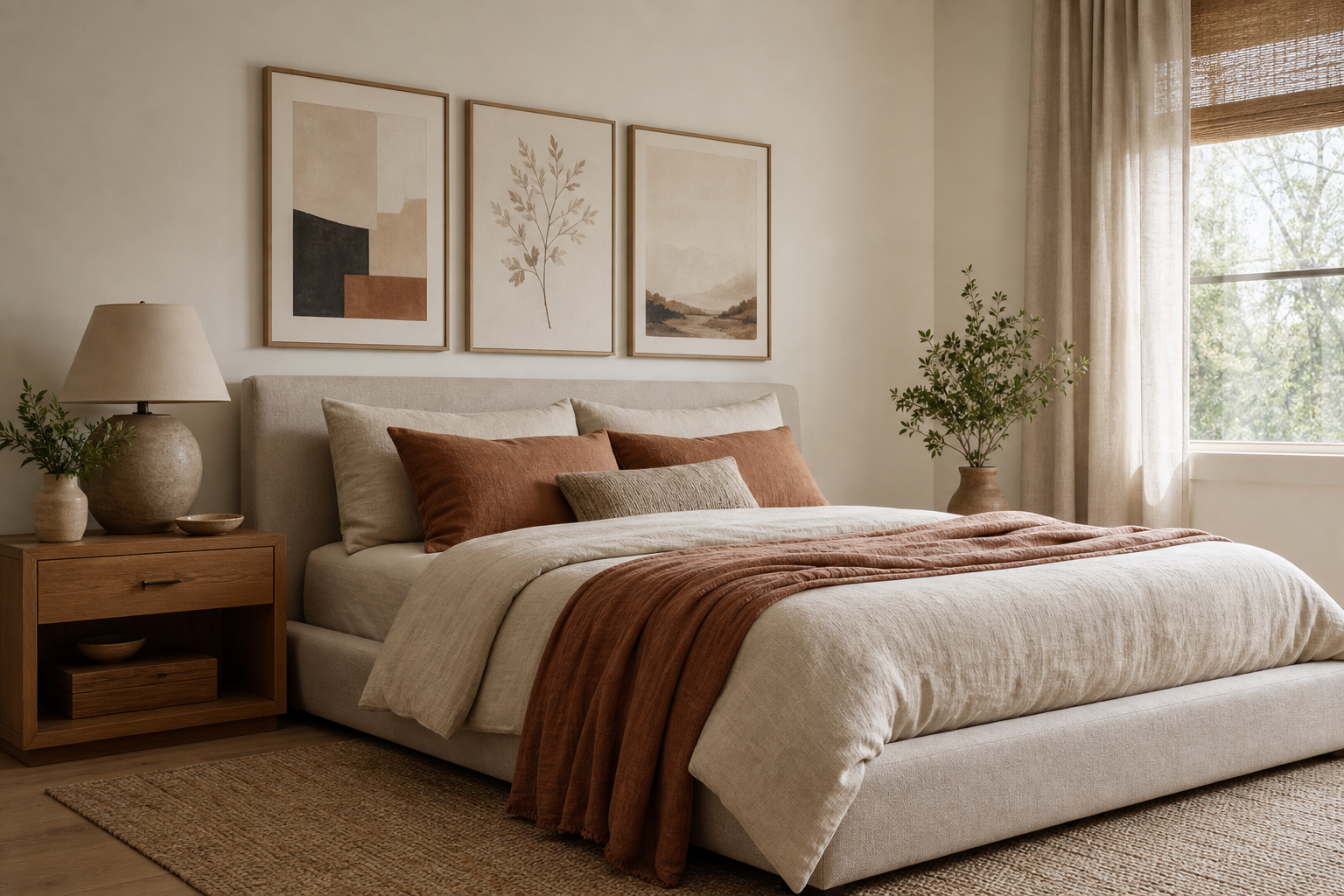
A well-chosen tiger and crane poster brings tension and calm into the same composition. The tiger reads as grounded, powerful, and protective; the crane introduces height, lightness, and grace. That contrast gives the artwork a strong visual center while keeping the room balanced rather than heavy.
What the tiger and crane motif means
The tiger and crane pairing is rooted in a clear symbolic opposition. The tiger represents strength, courage, and physical protection. The crane is tied to peace, longevity, wisdom, and spiritual elevation. When they appear together, the message is not conflict but equilibrium — force held in check by restraint, movement softened by stillness.
In interiors, that symbolism matters because wall art often sets the emotional tone before furniture does. A tiger and crane poster can make a room feel both protective and composed, which is why it suits spaces intended for focus or recovery. If you want to explore adjacent animal subjects, our animal art collection offers stronger, bolder wildlife imagery, while the illustration prints category leans more stylised and graphic.
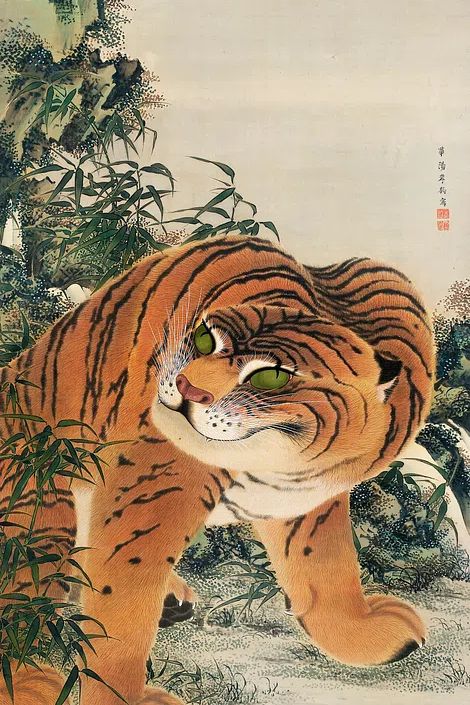
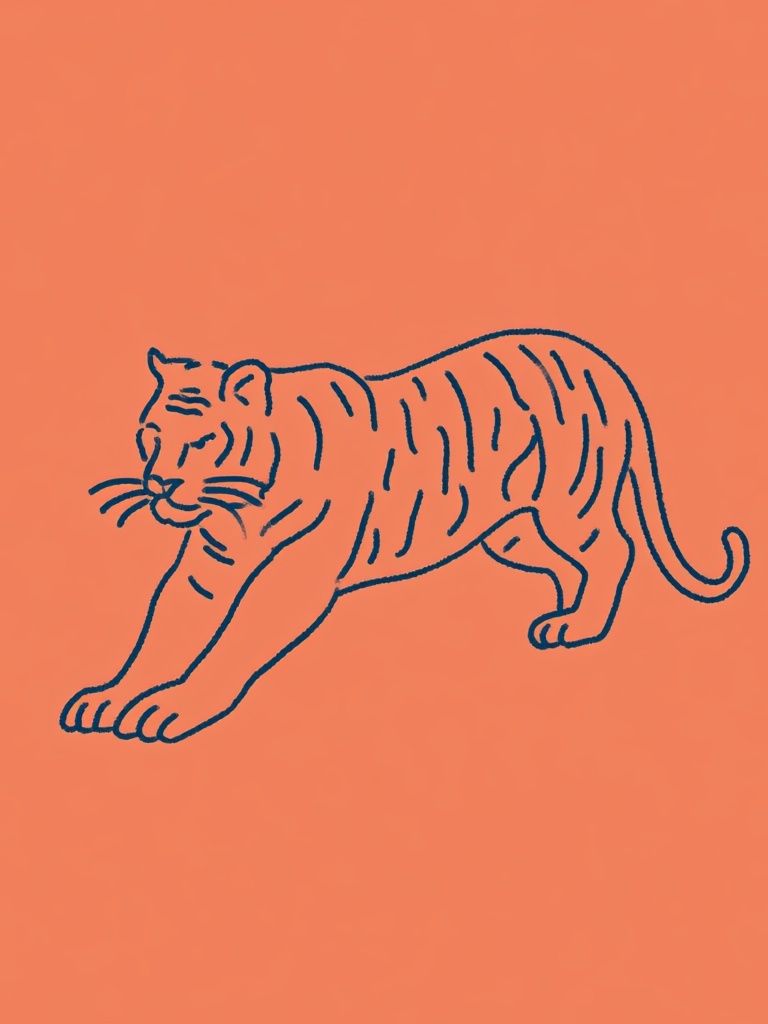
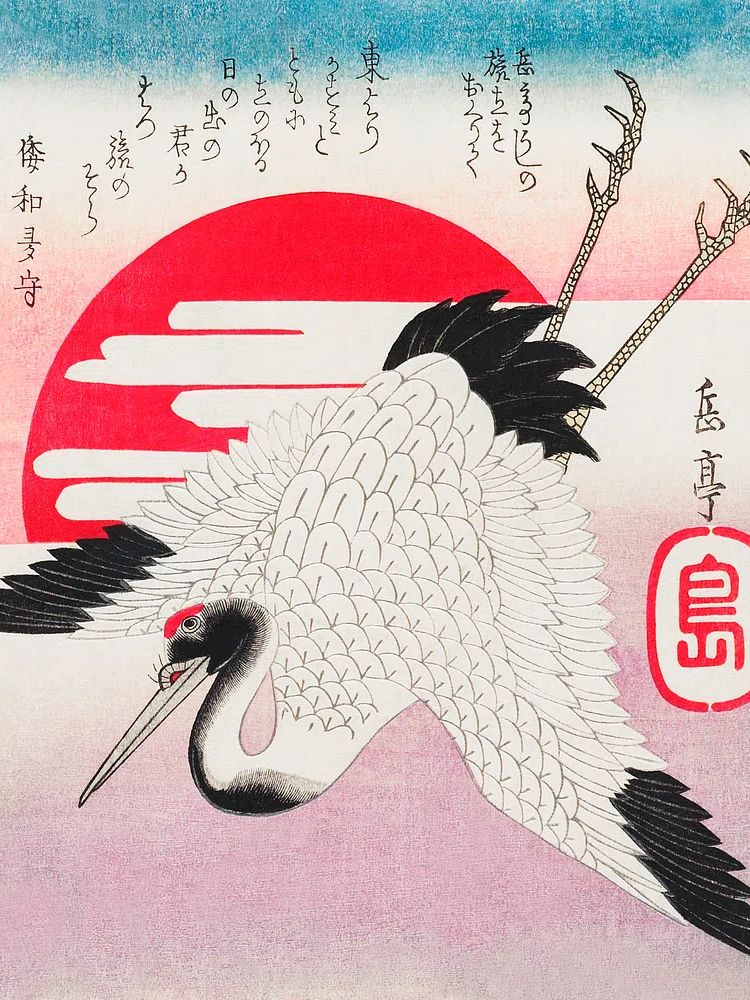
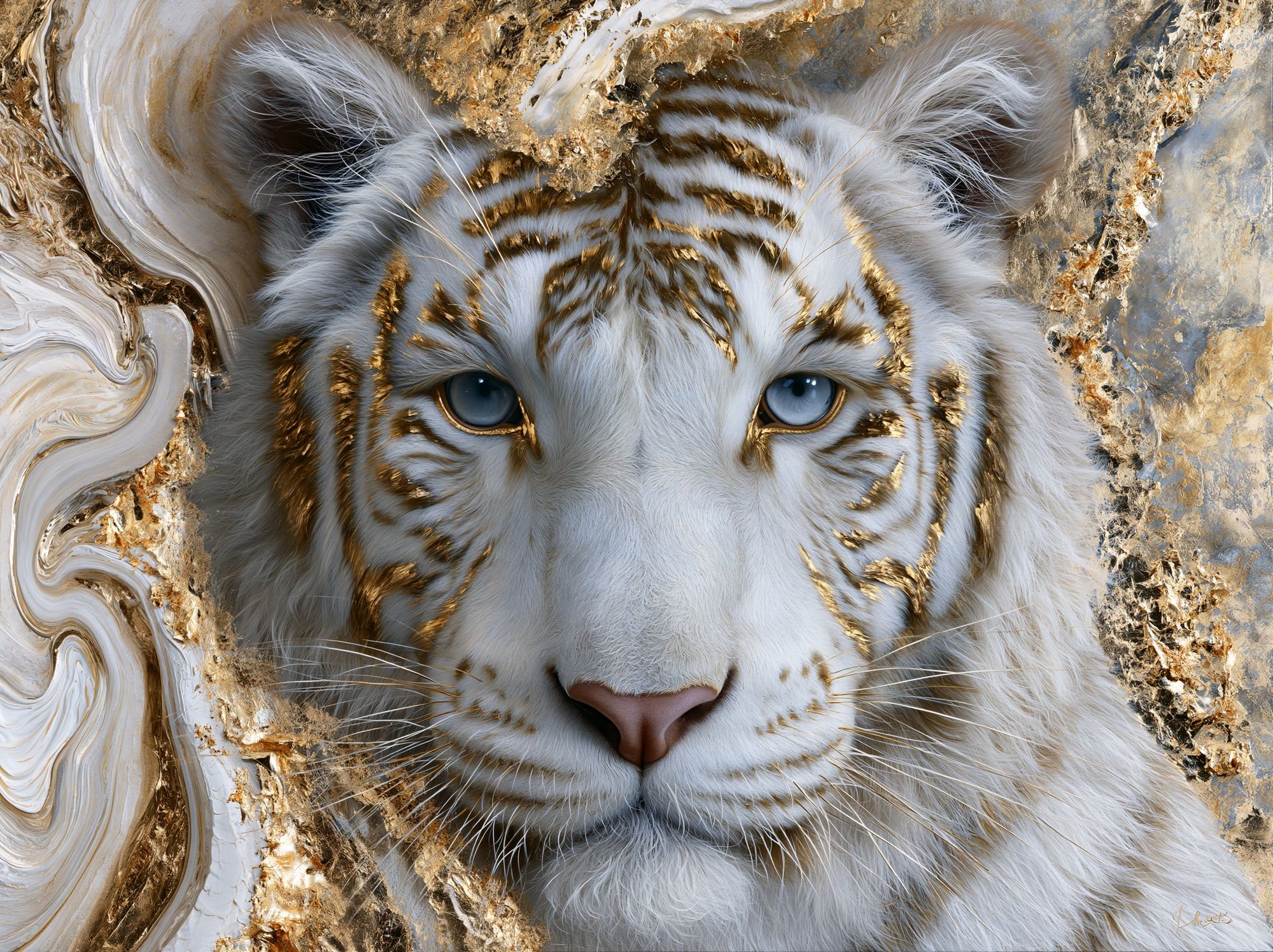
A tiger image with refined line work often feels more balanced than a hyper-detailed action scene. The same applies to cranes: one bird in flight or a poised standing figure usually creates more calm than a crowded composition. That is why pieces like Majestic Tiger — Asian Art Print and Japanese Crane and Rising Sun Print work so well as references for the mood of this motif.
Why this pairing works so well in posters
A tiger and crane poster succeeds visually because the two forms solve each other. The tiger is compact, muscular, and horizontal. The crane is elongated, delicate, and vertical. Put those shapes in one artwork — or in a paired arrangement — and you immediately get rhythm, contrast, and a stronger silhouette from across the room.
The colour logic is equally useful. Tiger imagery often introduces rust, amber, charcoal, and cream. Crane imagery adds white, black, soft gold, muted red, or pale blue. Those ranges sit comfortably with modern interiors because they echo materials already used in homes: walnut, oak, black metal, off-white plaster, and natural linen. A tiger and crane poster therefore feels dramatic without needing neon colour or oversized scale.

If you prefer a diptych rather than one combined image, pair one tiger-led print with one crane-led print. The best result comes from matching either frame finish or background tone. For example, Tiger Line Art Poster can sit beside Crane and Plum Blossom by Watanabe Seitei because both have a composed, airy feel rather than photographic intensity.
Best rooms for a tiger and crane poster
Living rooms are the easiest placement because the motif has enough presence to anchor a sofa wall. Above a 200 to 240 cm sofa, choose artwork around 100 to 140 cm wide in total — roughly 60 to 75% of the sofa width. That proportion looks intentional and keeps the art connected to the furniture rather than floating above it.
Bedrooms benefit from the calmer side of this motif. Choose softer palettes — cream, faded red, misty grey, washed black — and avoid overly aggressive tiger imagery above the headboard. In a bedroom, a tiger and crane poster should feel watchful rather than loud. This is also where the softer mood of our fine art prints and nature wall art can help build a quieter scheme around the main animal subject.
Hallways and home offices suit vertical compositions especially well. A crane-led design with a tiger accent can pull the eye upward in a space that is only 90 to 120 cm wide. In an office, the symbolism works neatly: the tiger supports decisiveness, the crane adds clarity and patience. That is a better emotional mix than purely aggressive wall art.

Meditation corners, reading nooks, and entryways are often overlooked, but they suit this theme well. In these smaller zones, a single 40 x 50 cm or 50 x 70 cm print is usually enough. Use negative space around it — at least 15 to 20 cm from shelves or door trim — so the artwork has room to breathe.
Colour palettes and framing ideas
Frame choice changes the reading of the image more than most buyers expect. A matte black frame sharpens the graphic contrast and makes the motif feel more contemporary. Oak or ash softens it and pulls the work toward Japandi or Scandinavian styling. Dark walnut gives a more collected, vintage tone, especially if the art includes faded reds or antique cream.
If the design includes brushwork, muted washes, or traditional illustration details, textured matte paper often looks better than a glossy finish. The slight tooth reduces glare and helps subtle colour transitions show properly in daylight. That matters with crane feathers, ink-like shadows, and pale background fields, where too much sheen can flatten the image.
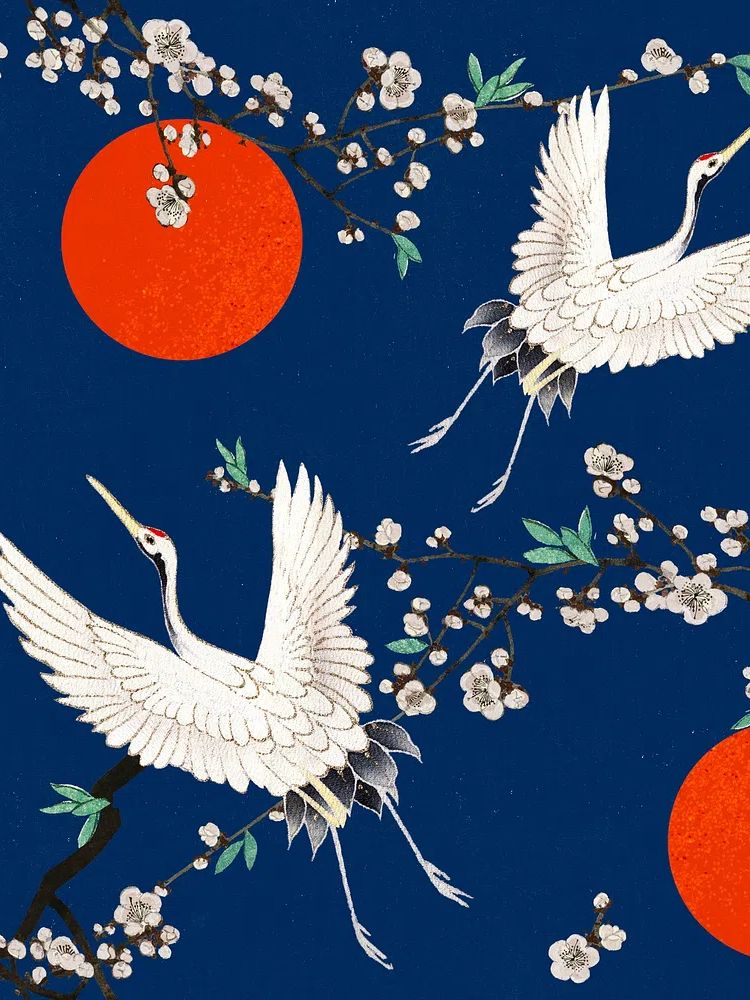
Accent colours should support the wall art, not repeat it too literally. If your tiger and crane poster includes ochre and black, echo that with one rust cushion and one black lamp base — not six orange accessories. A reliable formula is 70% neutrals, 20% wood or warm earth tones, and 10% dark contrast. For layered interiors, a patterned textile from our bohemian art prints can work well, provided the palette stays restrained.
Sizing and placement tips
For a single statement piece above furniture, leave 15 to 25 cm between the frame and the top of the sofa, bed, or console. The center of the artwork should generally sit around 145 cm from the floor, though in rooms with low seating, 140 cm often feels more natural.
A 50 x 70 cm print works well in small apartments, narrow hallways, and office corners. A 70 x 100 cm piece has enough presence for most living rooms. If you are creating a two-piece arrangement, keep the gap between frames at 5 to 8 cm for a tight, intentional look. Wider gaps can make related pieces feel disconnected.

If you prefer a grouped display, keep one print visually dominant. That might mean a 70 x 100 cm tiger piece beside a smaller 40 x 50 cm crane print, or a stronger dark image balanced by a lighter companion. The eye needs hierarchy. Equal visual weight can work, but only if both compositions have similar margins, tone, and framing.
How to style the look for different interiors
In minimalist rooms, choose pared-back artwork with clean backgrounds and limited colour. A line-based tiger print or a crane composition with lots of open space will feel precise rather than decorative. Keep surrounding objects simple: one stone vase, one wood bench, one black reading lamp.
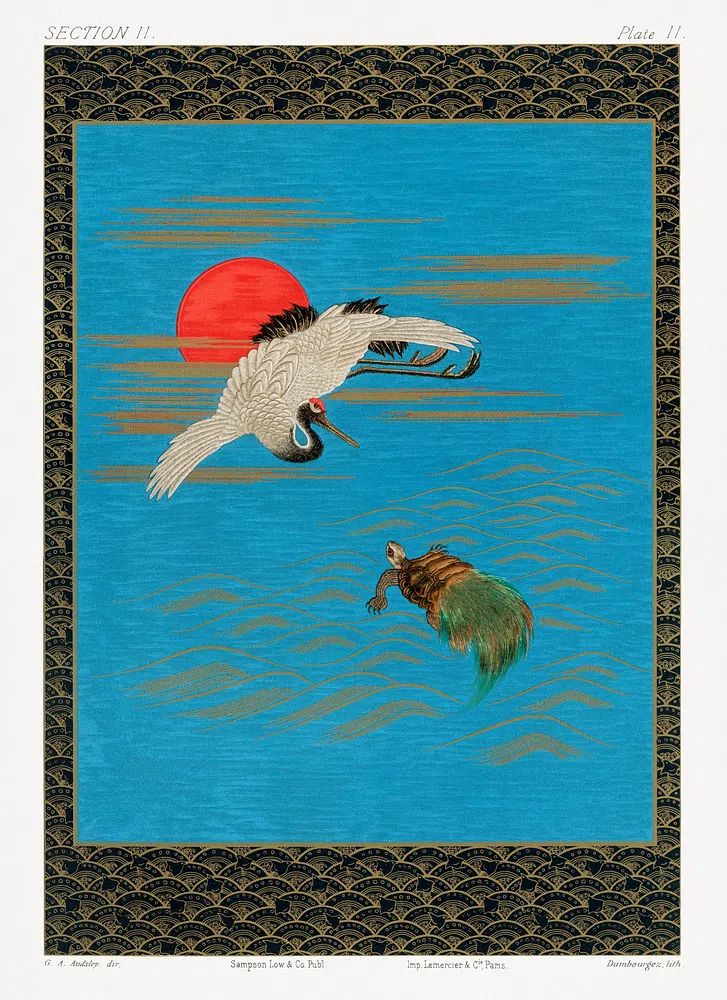
Japandi interiors suit this motif especially well because the style already values restraint, natural materials, and meaningful contrast. Pair your tiger and crane poster with pale oak, woven textures, off-white walls, and low-profile furniture. Cranes and Sunset — Vintage Print can bring warmth into that scheme without making it busy.
Vintage spaces can handle richer tones and more ornate framing. A brushed bronze or dark walnut frame works well, especially with art that feels aged or painterly. If you want extra visual layering, the muted atmosphere of Tiger in Tropical Landscape — Vintage Print provides a good reference point for how tiger imagery can feel collected rather than stark.
Maximalist rooms need editing more than additional colour. A tiger and crane poster already has symbolic weight and shape contrast, so give it one clear supporting palette — perhaps burgundy, olive, and black — and repeat those colours only two or three times in the room. That keeps the wall art as the focal point.
Final tips for choosing the right tiger and crane poster
The right tiger and crane poster should feel balanced at three distances: from across the room, from the doorway, and up close. From far away, the silhouette should read clearly. From mid-distance, the contrast between tiger and crane should feel intentional. Up close, the line quality, colour transitions, and paper finish should still hold attention.
Buy for mood first, then for colour. If the piece captures the right tension between strength and calm, it will stay interesting long after smaller styling trends fade. Look for a composition that gives each figure enough space, choose a frame that matches the room’s materials, and size the work so it connects properly to the furniture below.
Frequently Asked Questions
Should I choose one combined print or two separate prints for this look?
Choose one combined print for a cleaner, more unified focal point. Pick two separate prints if you want more flexibility with spacing, symmetry, or a diptych layout.
What frame width works best for animal-inspired art?
A slim frame around 1.5 to 2 cm suits most modern interiors. Wider frames around 2.5 to 4 cm work better for larger statement pieces or vintage-style rooms.
Can this motif work on a dark wall colour?
Yes — especially on charcoal, olive, or deep taupe walls. Use lighter mounts or pale artwork backgrounds so the image does not visually disappear.
Is glass glare a problem for detailed prints?
It can be, particularly opposite large windows. In bright rooms, place the frame away from direct reflection lines or choose lower-glare glazing if available.
What decor pairs well with a tiger and crane poster?
Natural wood, linen, ceramic vases, black metal accents, and restrained red or ochre details all work well. Avoid adding too many competing animal patterns nearby.