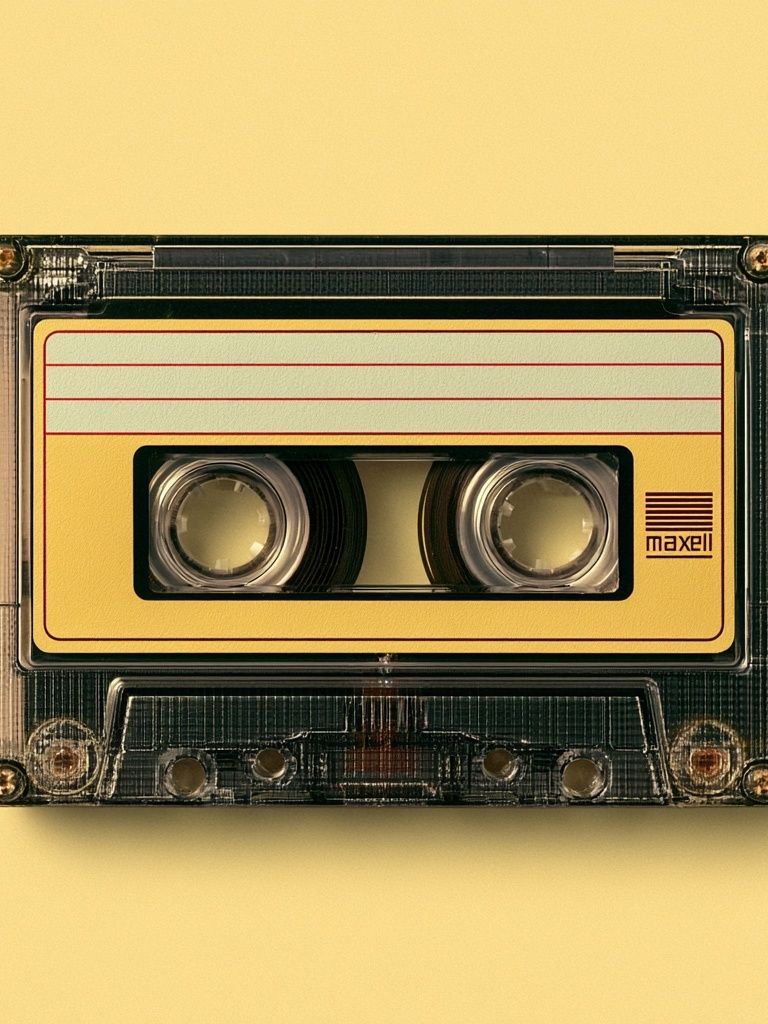
A cassette poster works because it combines two strong visual languages at once: music culture and retro graphic design. The cassette shape is instantly recognizable, with its clean rectangle, circular reels, label strip, and tactile details that read clearly from across a room. That makes it an easy subject for wall art, especially if you want a space to feel more personal than generic.
Cassette imagery also fits neatly into the wider return of analog style. Interiors have moved back toward warm wood, chrome accents, saturated color, and objects with visible mechanics. A vintage wall art collection reinforces that mood, while a music art collection adds cultural reference and rhythm. If you want one piece that signals nostalgia without making a room feel themed, a cassette poster does that better than more literal band memorabilia.
Why Cassette Posters Still Feel So Current
Part of the appeal is generational overlap. For some people, cassette art recalls mixtapes, handwritten labels, and bedroom stereos. For others, it reads as discovered retro design — bold, playful, and a little rebellious. In both cases, the image feels current because it is graphic rather than sentimental. A good cassette poster uses strong contrast, visible line work, and a compact silhouette that suits modern interiors.
Another reason it still works is flexibility. Cassette art can lean soft and minimal, loud and colorful, or rough and grunge-inspired depending on the print. That range makes it easier to style than many niche music references. If you already have pieces from our minimalist art selection or typography print collection, cassette imagery can bridge the two — object-based enough to feel grounded, graphic enough to feel designed.
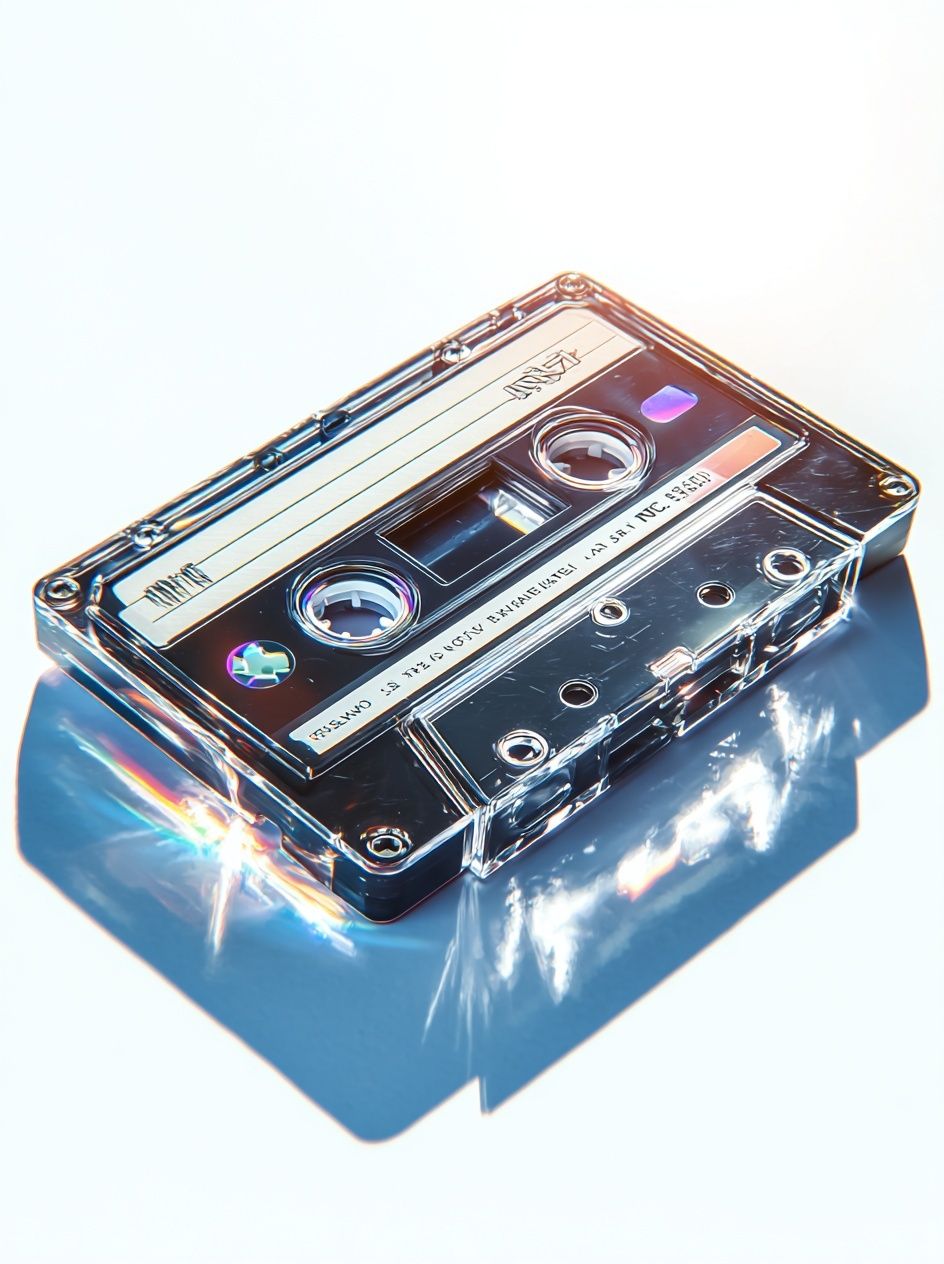
The strongest cassette prints tend to use one of three approaches: a single centered object, a repeated tape pattern, or a tape combined with text. The single-object version feels clean and iconic. Patterned versions add energy to larger walls. Text-led versions suit desks, studios, and dorm rooms where a sharper graphic edge feels right.
Choosing a Style That Matches Your Space
A minimal room benefits from restraint. In a white, gray, or sand-toned space, choose a cassette print with a simple background and one main focal point. That keeps the room crisp while adding character. A design like Cassette Tape Retro Poster suits slim black or oak frames and looks balanced above a console, desk, or 120 cm sofa.

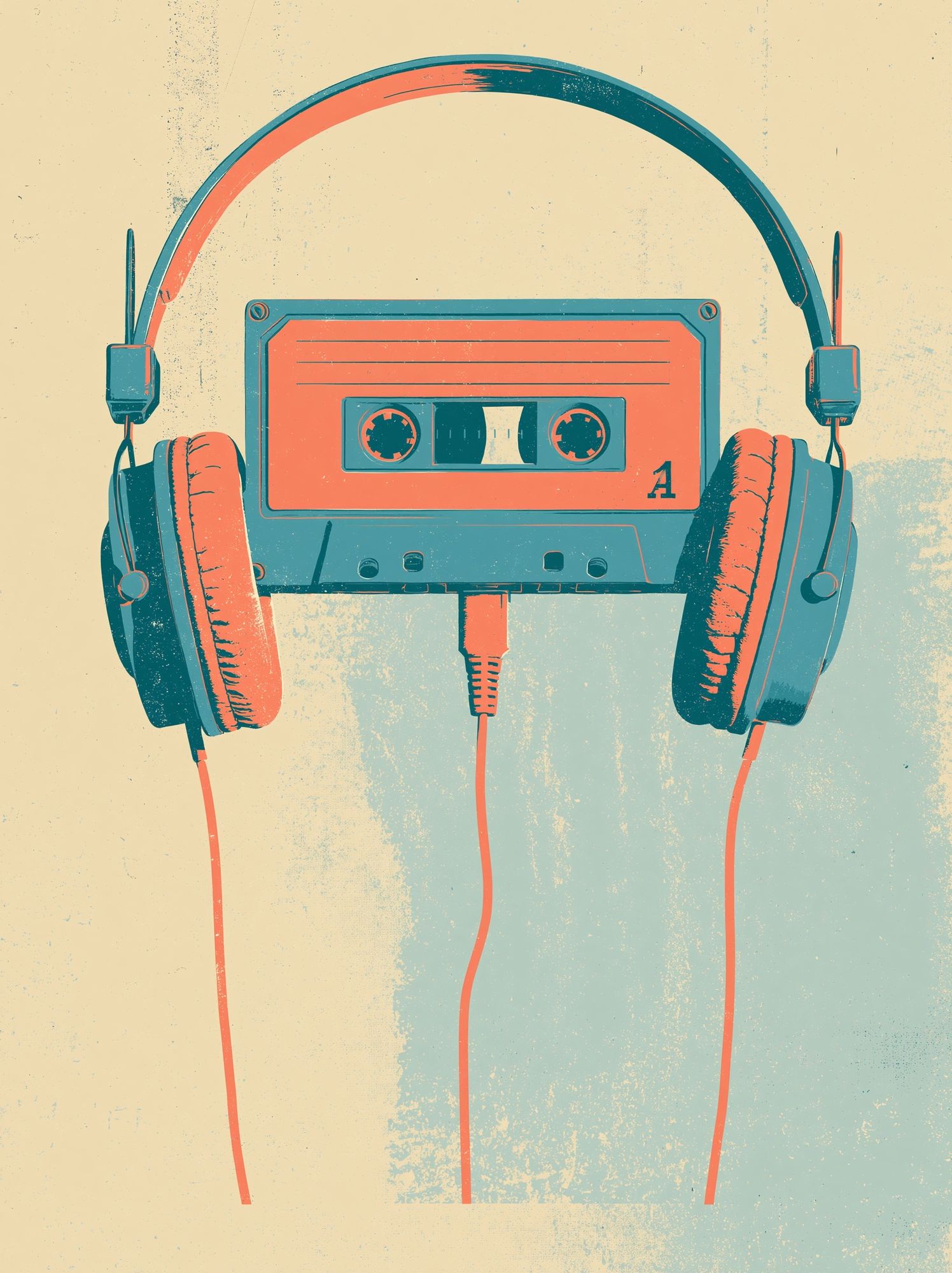
If your space already has more color, lean into it. Teal, rust, mustard, cherry red, and electric blue all support cassette imagery because they echo late-70s to 90s design references. Retro Cassette Headphones Poster is a smart choice when you want something more layered than a single tape motif. It adds movement and reads well in creative rooms with open shelving, vinyl storage, or a painted accent wall.
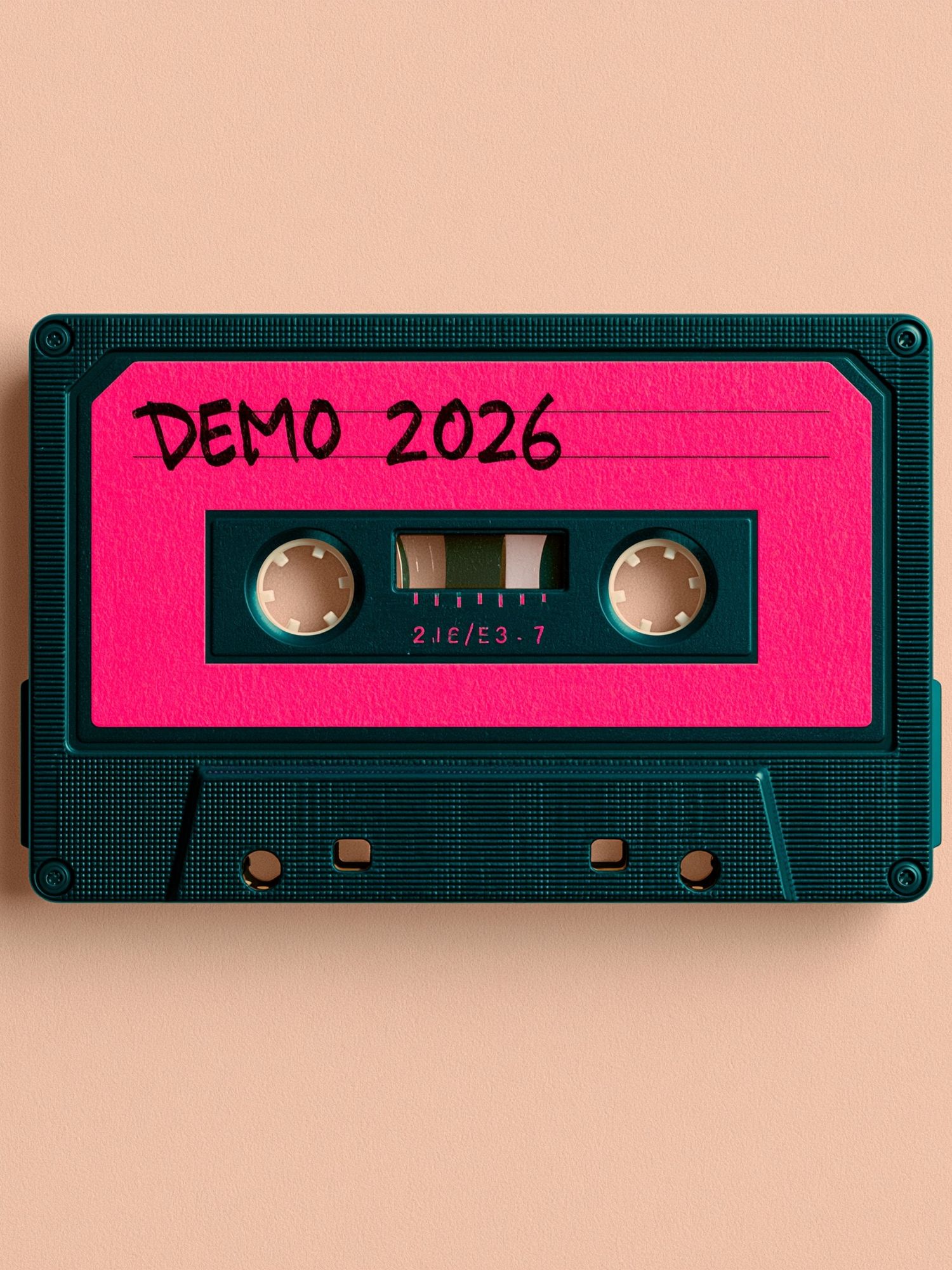
For a grittier look, mix cassette imagery with distressed textures and stronger type. A piece such as Demo 2026 Cassette Typography Poster works well in industrial interiors, especially with charcoal, brick, blackened steel, and concrete finishes. If you like a sharper graphic contrast, pieces from our typography-focused wall art add that edge without losing the music reference.

Best Rooms and Placements for Cassette Art
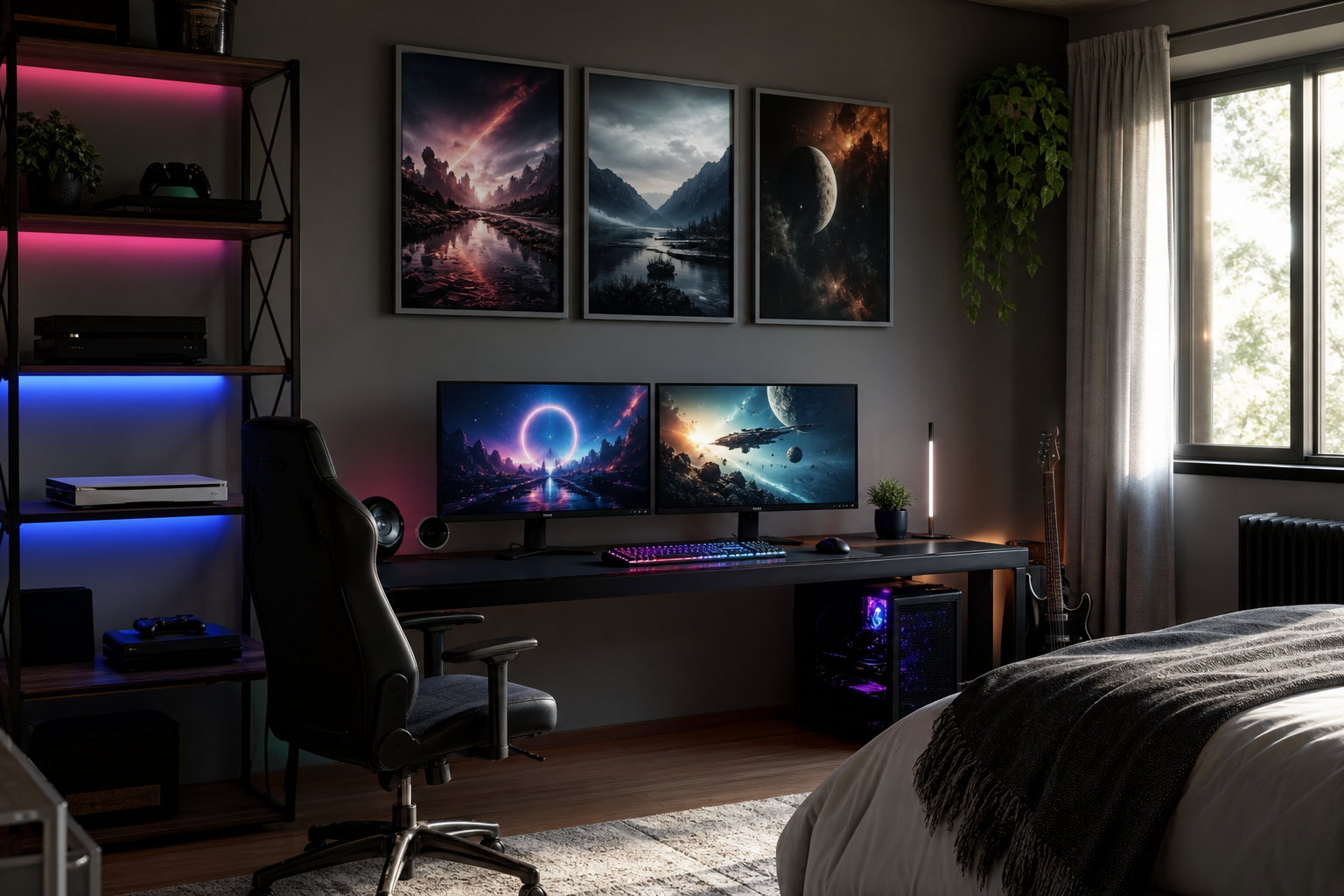
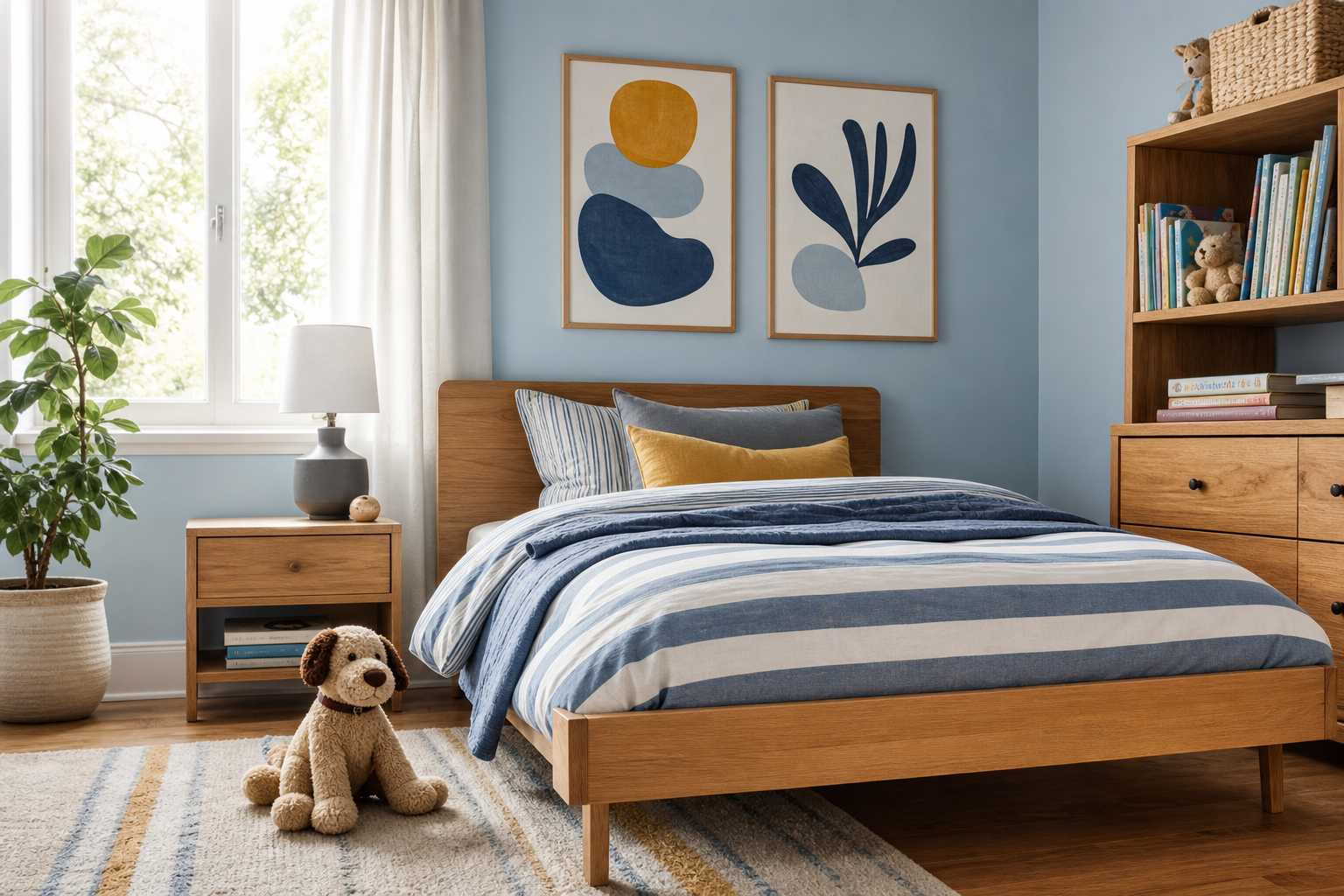
Bedrooms are the easiest place to start. Above a bed, a cassette poster brings identity without overpowering the room. For a double bed 140 to 160 cm wide, aim for art that spans roughly 60 to 90 cm total. That can mean one 50x70 cm frame centered above the headboard or two 30x40 cm pieces with 7 to 10 cm between them. Keep the bottom of the frame about 20 to 25 cm above the bed for a connected look.
Dorm rooms are another strong fit because cassette art carries personality fast. A renter-friendly setup might use one medium frame above a desk and a second smaller print leaning on a shelf. In compact spaces, object-based art reads cleaner than busy scenes, so a cassette poster often performs better than oversized concert photography.

Music rooms and home studios can handle more impact. Here, build a wall around one cassette piece and layer it with other music visuals from our music print range. You might pair a cassette print with Psychedelic Guitar Collage Poster or Rock Band Silhouette print if you want more motion and performance energy nearby.
Gallery walls benefit from cassette art because the rectangular form anchors looser compositions. Place it near the center or lower-middle section, then surround it with portraits, live performance images, and a few typographic pieces. That mix feels collected rather than repetitive.
How to Frame and Size a Cassette Poster
Frame finish changes the mood more than most buyers expect. Black metal creates a sharper, more urban look. Natural oak warms the image and makes retro tones feel softer. White frames work best when the art itself is bold and colorful. If your cassette poster includes heavy black or saturated red, a narrow 1.5 to 2 cm frame usually looks cleaner than a thick molding.
Size should match viewing distance. For a narrow hallway or small desk wall, 30x40 cm is often enough. Over a dresser, 50x70 cm gives better presence. For a feature wall behind a sofa, step up to 70x100 cm or create a pair of 50x70 cm frames. A common mistake is hanging one small print on a wide wall and leaving 70% of the space visually empty around it.
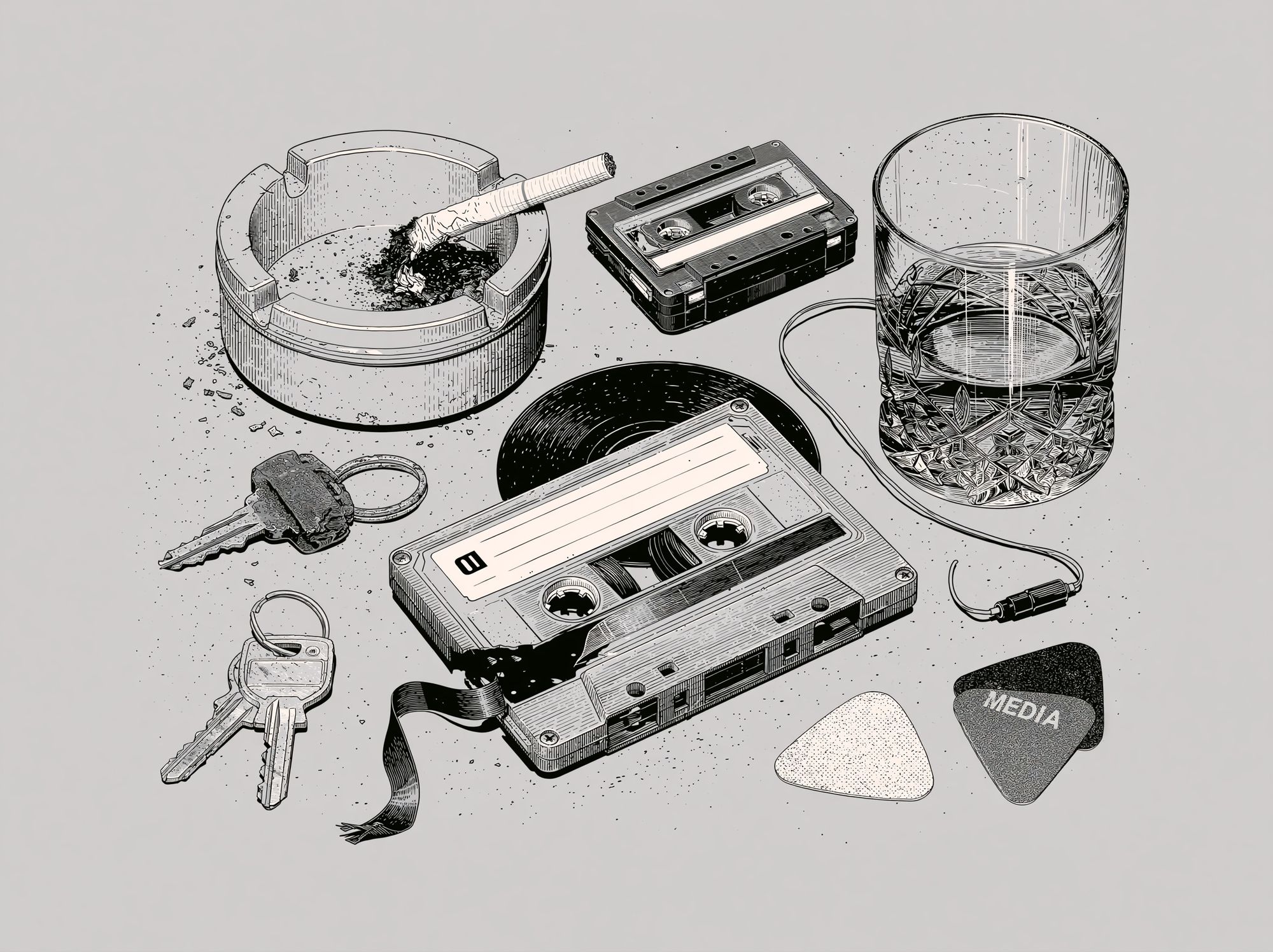
Paper border matters too. A print with generous negative space feels more refined and is easier to mix with other art. If the design fills the entire sheet edge to edge, use a mat mount to give it breathing room. That trick is especially effective with busy designs like Vintage Cassette Tapes Poster because it stops the composition from feeling crowded.

Pairing Cassette Posters with Color and Texture
A cassette poster looks strongest when the room picks up at least one of its tones elsewhere. If the print includes cream, faded red, or mustard, repeat that color in a cushion, throw, lamp base, or rug detail. You do not need a fully themed room — two or three echoes are enough to make the art feel intentional.
Wood tones help retro music art settle into a room. Walnut, teak, and medium oak are especially effective because they connect naturally to vintage audio equipment. Chrome and brushed steel add the right amount of shine, while matte black keeps the overall scheme modern. If you want more contrast, pair cassette imagery with soft textiles such as boucle, corduroy, or washed cotton so the room does not feel too hard-edged.
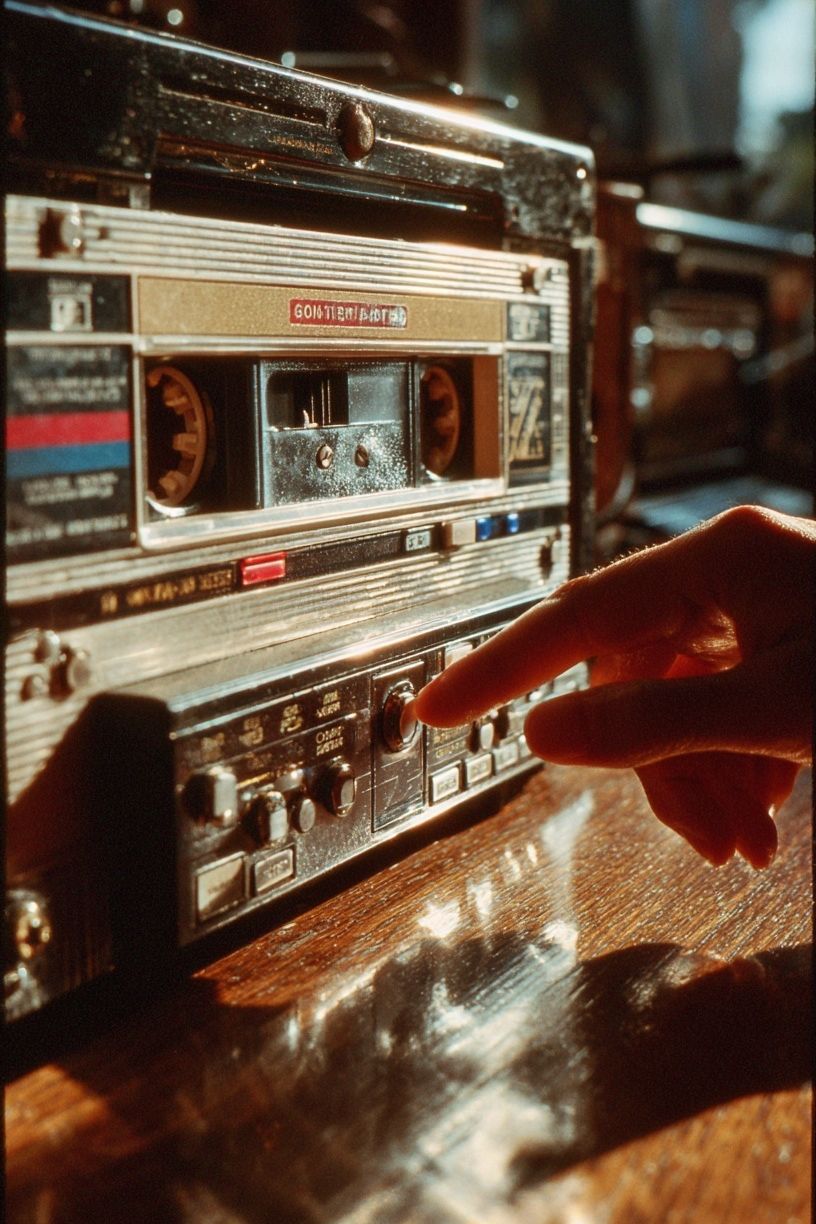
For a fuller wall story, mix subject matter. A cassette print beside a performance image or retro type piece creates depth. Vintage Cassette Player Poster pairs well with visuals from our music-inspired wall decor because one references the object and the other references the sound and scene around it.
Shop Tips for Creating a Music-Lover Wall
Start with one anchor piece, then build outward. If your main goal is nostalgia, choose an iconic tape image first. If your room already feels retro, add one bolder supporting piece with typography or live music energy. Keep to a simple ratio: about 70% object or image-based art and 30% text-based art. That balance stops the wall from feeling too busy.
When mixing styles, repeat one unifying element across every frame — black frame edges, warm wood, off-white backgrounds, or a tight color family. A music-lover wall becomes cohesive when the spacing is consistent too. Leave 5 to 8 cm between smaller frames and 8 to 12 cm between larger ones. If you are combining cassette imagery with artist or concert pieces, keep the cassette poster near eye level so the theme reads immediately.

A cassette poster is often the easiest route to a music-inspired room because it feels graphic, familiar, and versatile. It can sit comfortably in a neat minimalist bedroom, a colorful dorm, or a layered studio wall without looking forced.
Final thoughts
The best cassette poster is not always the loudest one. It is the one that matches your room's scale, repeats your palette, and adds just enough retro music energy to make the space feel lived in. Start with one strong print, frame it well, and let the rest of the room support it.
Frequently Asked Questions
What frame color works best for cassette art?
Black is the safest choice for bold or grunge-led designs, while oak suits softer vintage tones. White works best when the print has strong contrast and the room is already light.
Can I hang cassette wall art without drilling?
Yes — lightweight frames up to around 30x40 cm often work with quality adhesive strips. Clean the wall first and avoid freshly painted surfaces for at least 7 days.
Do cassette prints work with modern furniture?
They do, especially if the print is simple and the frame is slim. Pair the art with one or two warm materials like walnut or linen so the room feels balanced rather than stark.
What other art pairs well with a cassette poster?
Music photography, retro typography, and minimalist graphic prints work well together. Keep one consistent frame finish and limit the palette to 3 or 4 dominant tones.