A great animal wall art collection does more than fill an empty wall. A breeds of dogs poster turns a familiar subject into something specific, recognisable, and personal — whether you love terriers, grew up with dachshunds, or want a print that reminds you of a family pet every time you walk past it.
Because dog-themed decor can lean playful or polished, the best choice depends on the room and the way the artwork is styled. A detailed breed chart, a vintage-inspired print, or a softer illustrated design can all work beautifully when the colours, frame, and scale are right.
Why a Dog Breed Poster Feels So Personal
Dog art works best when it reflects a real connection. Breed-based prints often trigger recognition in under 2 seconds — viewers spot "their" dog immediately, and that creates more emotional pull than generic animal decor. That is why a breeds of dogs poster makes sense for dog owners, children who adore a certain breed, and gift buyers who want something more meaningful than a standard home accessory.
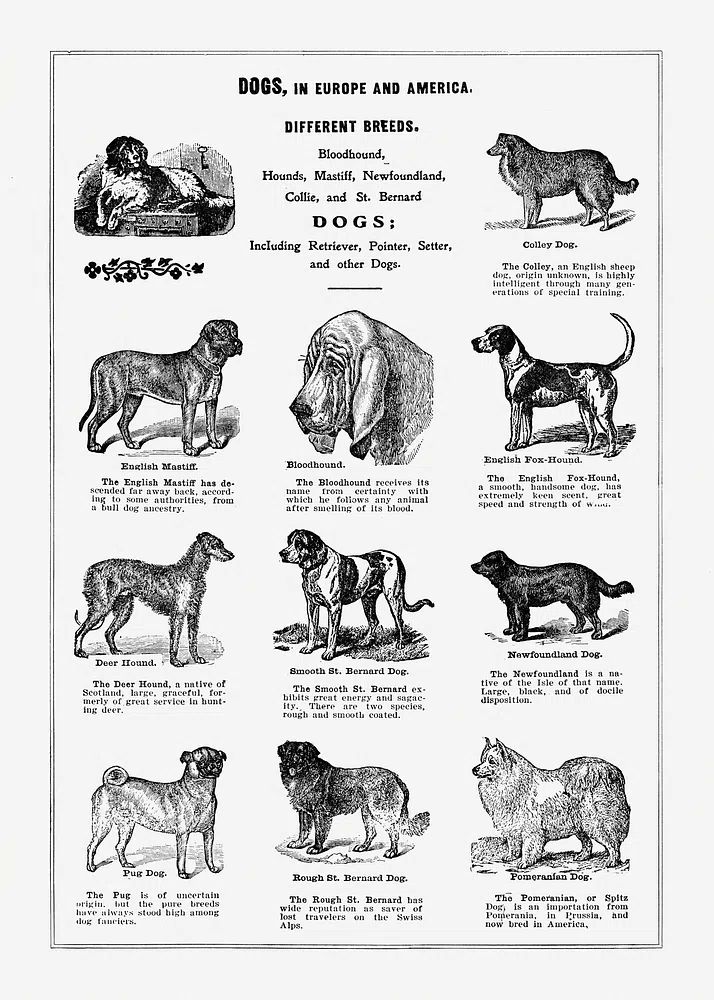
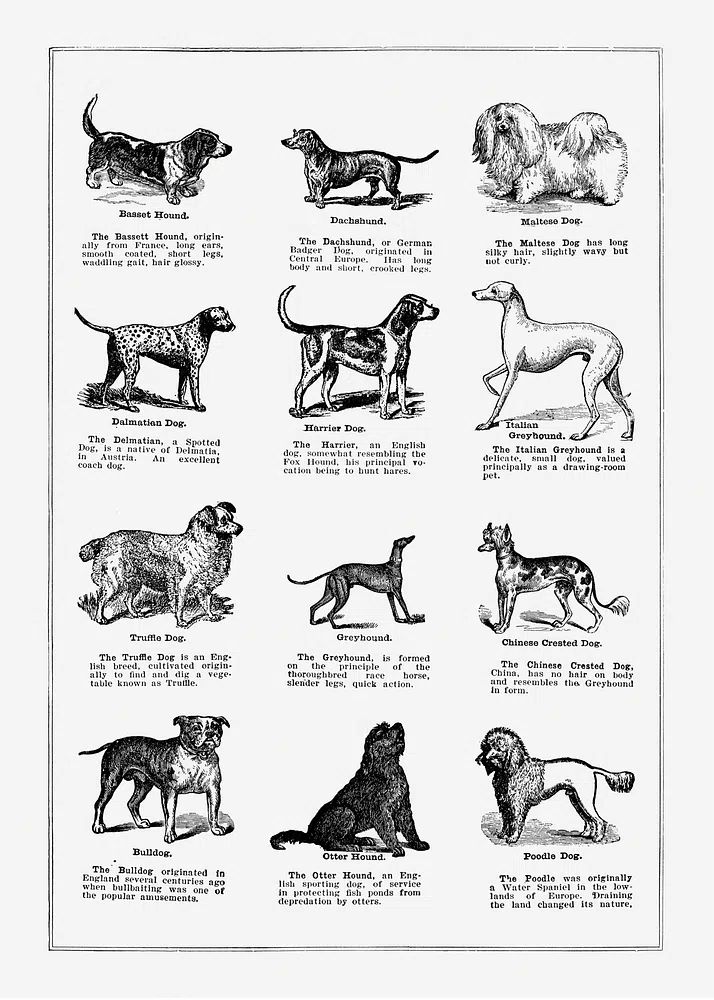
A breed print also balances character with order. Unlike one large portrait of a single dog, a multi-breed layout can feel structured and informative, which suits hallways, offices, and family rooms. If you want something classic and reference-like, a piece such as Dog breeds poster brings that collector's feel without becoming visually heavy.
For homes that already feature natural subjects, dog artwork layers in easily beside photography prints or other animal-inspired art. The key is choosing a design that matches the room's mood — graphic if the space is modern, softer if the room already has textiles, curves, and warmer finishes.
Choosing the Right Style for Your Space
A traditional or heritage-inspired interior usually benefits from older-looking paper tones, drawn details, and classic labeling. In that case, a vintage print collection is the strongest direction. A breeds of dogs poster with a vintage layout works especially well with walnut furniture, brass accents, and off-white walls because the aged tones soften the subject.

If your room is cleaner and more contemporary, reduce visual noise. Look for broad spacing, fewer colours, and stronger outlines. Black, cream, muted sage, and charcoal are safe framing companions because they let the artwork read clearly from 2 to 3 metres away. In a minimalist apartment, one medium print at 50 x 70 cm often looks stronger than several small frames competing for attention.
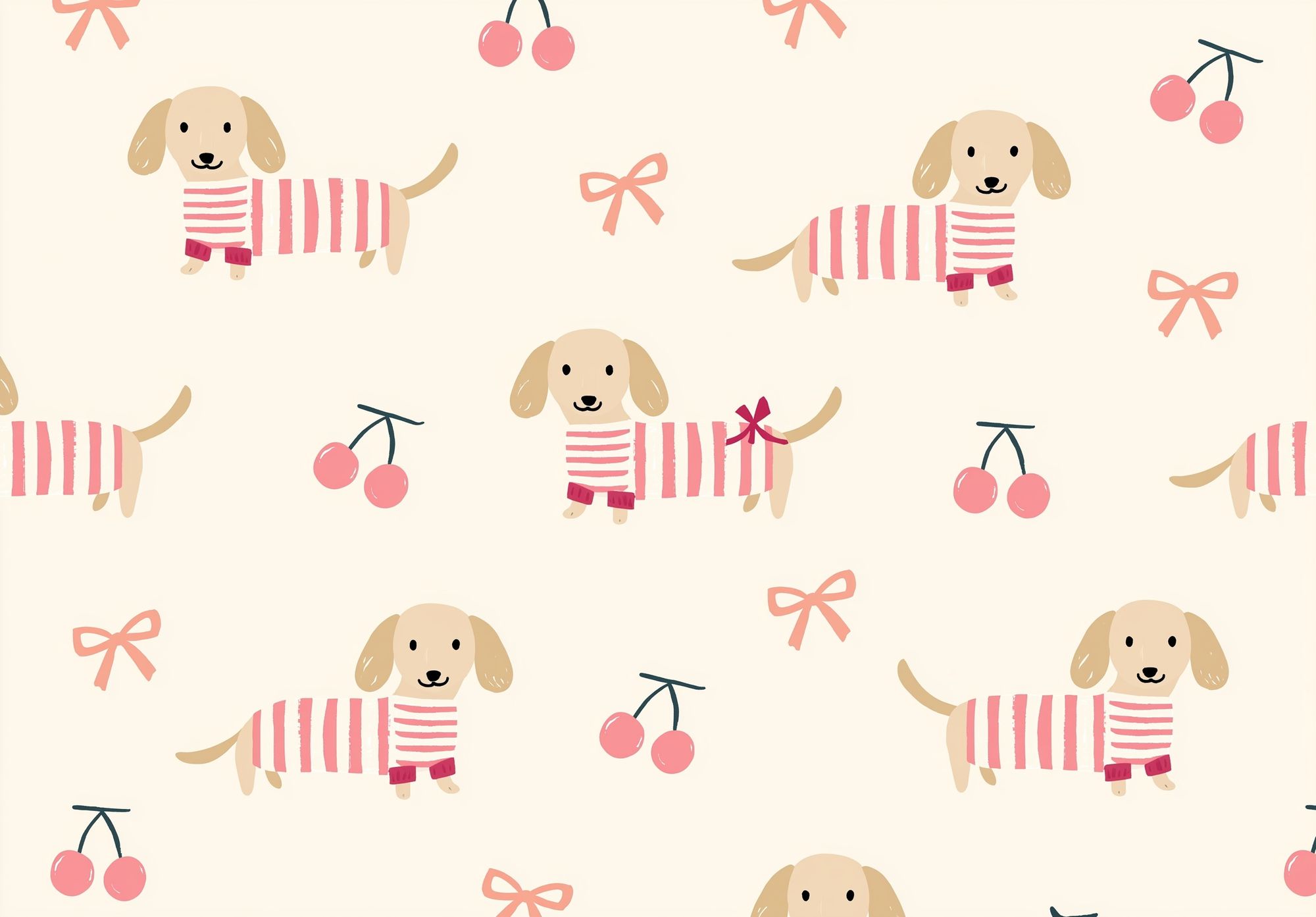
Children's rooms need a different tone. Here, dog imagery should feel cheerful rather than encyclopedic. A playful illustrated piece can echo the same dog-lover theme while fitting softer decor. For example, Dachshund Cherry Pattern Poster suits a nursery or playroom far better than a formal breed chart because the shape and colour feel lighter.

You can also mix style categories intentionally. A realistic dog photo can sit beside a more graphic breed print if they share one dominant tone — for example, warm browns, black linework, or cream backgrounds. That is often the easiest way to make a dog wall arrangement feel curated rather than themed.
Best Rooms for a Breeds of Dogs Poster
Living rooms are the most flexible location because viewing distance is generous. Over a sofa, choose a width that covers around 60 to 75 percent of the furniture below. If your sofa is 200 cm wide, your framed art should span roughly 120 to 150 cm. That could mean one large breeds of dogs poster or two coordinated pieces hung 5 to 8 cm apart.

Hallways are ideal for more detailed prints because people stand closer — often within 60 to 90 cm. That makes them a smart place for breed charts, labeled illustrations, or reference-style compositions. A narrow wall near a console table can hold a 30 x 40 cm or 40 x 50 cm frame without overwhelming the passage.
Nurseries and kids' bedrooms call for friendlier illustrations and lower contrast. A print from the kids wall art collection works well above a dresser or reading nook, especially if the palette repeats colours already in the room. Keep hanging height practical — the centre of the frame should usually sit about 145 cm from the floor in adult spaces, but slightly lower can look better in children's rooms.
Home offices benefit from dog imagery because it adds warmth to a functional room. A breed print near a desk or shelf keeps the space personal without becoming distracting. If the office has lots of straight lines — monitor, shelving, filing units — dog illustrations and curved forms bring needed softness.
Pet corners are often overlooked, but they are ideal for smaller frames. Place one above a dog bed, feeding station, or built-in bench to make that zone feel deliberate. Even a compact 21 x 30 cm print can visually finish the area.
How to Match Colours, Size, and Framing
Colour matching starts with the background, not the dogs. Cream, parchment, pale grey, and soft white are easiest to integrate because they sit comfortably with most wall colours. If your room already contains warm oak, tan leather, or beige textiles, cream-based dog artwork will usually look more cohesive than bright white paper.
For bolder rooms, repeat one accent tone from the print in small amounts elsewhere. A black frame can connect to iron hardware or lamp bases; a reddish-brown detail can echo timber or terracotta. Try not to introduce more than 3 dominant colours around the artwork, or the wall starts to feel busy.
Frame choice changes the mood quickly. Oak feels casual and Scandinavian, black feels sharper and more graphic, and dark walnut pushes the look toward classic study or library styling. A mount can help detailed artwork breathe — adding a 5 cm white border around the print often makes a busy breed composition feel more premium.

Size should reflect wall distance. At 1 metre away, smaller detail still reads well at 30 x 40 cm. At 2.5 to 3 metres away, 50 x 70 cm or larger is usually more effective. If you are choosing a breeds of dogs poster for a wide wall, going too small is the most common mistake — the print looks temporary instead of intentional.
Making It a Gift for Dog Owners
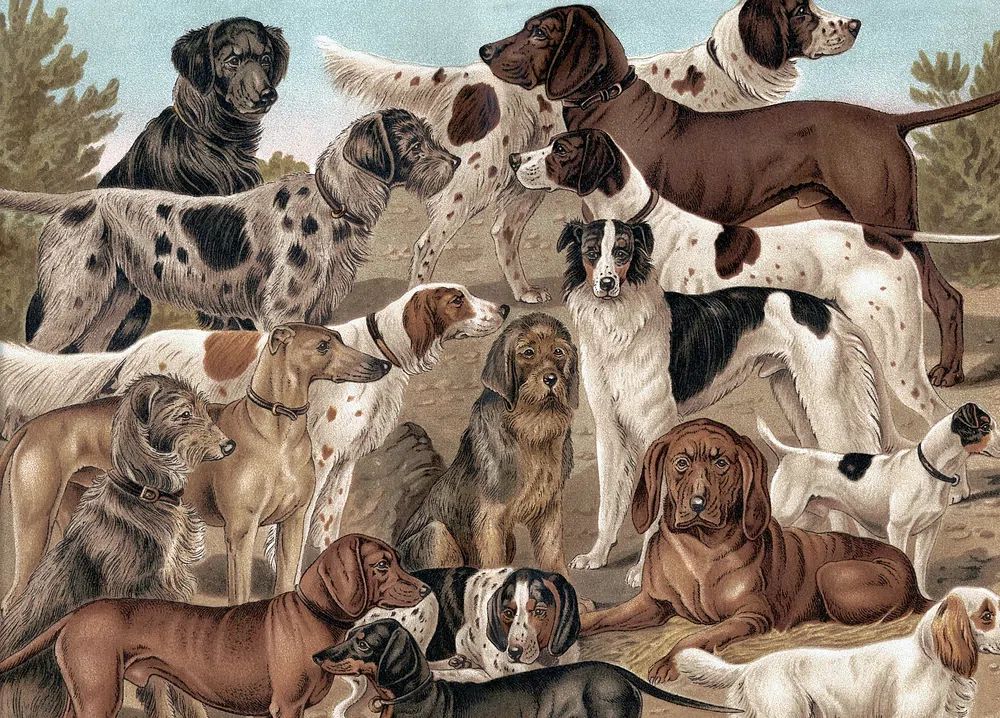
Dog breed artwork works particularly well as a gift because it feels considered without needing exact room measurements. For birthdays and housewarmings, start with the recipient's breed loyalty. Owners of one beloved breed often prefer that connection to a more general animal print, while families with several dogs may enjoy a broader composition such as this vintage dog breeds poster.
A gift also lands better when the style matches the home. For a modern flat, choose cleaner layouts and simpler frames. For a period home or cosy cottage, a heritage-style piece will feel more integrated from day one. If the recipient already owns framed pet photos, pick a dog print in a different format — chart, illustration, or vintage study — so it adds variety rather than repeating what they have.

Memorial gifting needs extra care. In those cases, subtle beats sentimental. A calm breed artwork or refined photographic dog print can feel more respectful than anything overly cute. If you want a gentler option for a child's room or a lighter gift, the dachshund cherry design gives the dog theme a softer, more decorative angle.
Shop Tips for Finding a Poster You’ll Love Long-Term
The safest long-term choice is a design that still works even if the room changes. Neutral backgrounds, moderate contrast, and simple frames last longer than trend-led colours. If you expect to repaint or move within the next 2 to 5 years, choose artwork that can shift from living room to hallway to office without looking out of place.
Paper finish matters more than many buyers expect. Matte surfaces reduce glare, which is useful opposite windows or under ceiling spots. Detailed dog artwork also tends to look better on matte or lightly textured paper because the linework stays crisp without reflective hotspots. If the frame uses glazing, position it away from direct sunlight to protect both paper tone and visibility.
It also helps to browse beyond one exact term. Alongside a breeds of dogs poster, look through illustrated wall art and breed-focused dog photography prints to compare how formal, playful, or realistic you want the final result to feel. The strongest purchase is usually the one that still suits your home after seasonal decor changes, new furniture, or a different room layout.

Final thoughts
A breeds of dogs poster works best when it reflects both the dogs you love and the room you live in. Start with emotional relevance, then narrow by style, size, and frame so the piece feels designed into the space rather than added as an afterthought.
If you choose with longevity in mind — neutral ground tones, clear composition, and the right scale — dog artwork can move easily from a first apartment to a family home and still feel personal years later.
Frequently Asked Questions
What frame color works best for dog breed prints?
Oak, black, and walnut are the easiest options. Oak softens the look, black sharpens it, and walnut gives vintage or traditional dog artwork more depth.
Can I hang a dog breed print in direct sunlight?
It is better to avoid strong direct sun, especially on south-facing walls. UV exposure can fade paper and reduce contrast over time, even behind glazing.
Should I choose one large print or a small gallery wall?
Use one large print for a cleaner, calmer room and a gallery for more collected interiors. If your wall is under 120 cm wide, one frame usually looks more balanced.
What type of dog artwork suits a nursery best?
Choose softer illustrations, gentle colors, and lower contrast. Designs with simple shapes and warm backgrounds feel calmer than detailed breed charts in a baby's room.
Is a mounted frame worth it for detailed breed art?
Yes — a white mount of around 4 to 6 cm gives fine details more breathing room and makes the piece look more finished. It is especially useful for vintage-style or information-rich dog prints.